Back when cage fighting felt more like a gritty bar brawl than the polished billion-dollar spectacle it is today, UFC stood at a crossroads—play it safe or swing for the fences. This is the story of those high-stakes decisions that transformed UFC into the mainstream juggernaut it is now.
Embracing Dana White as President
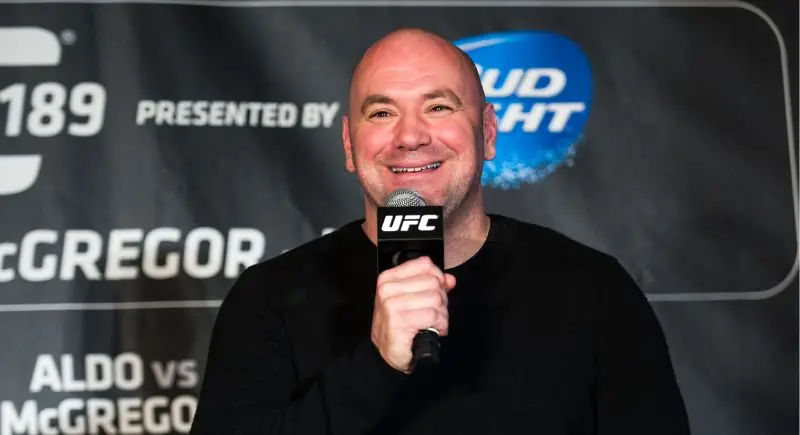
Dana White wasn’t a corporate executive. He was a guy managing fighters and hounding casino owners. But things got loud and fast once the Fertitta brothers handed him the keys in 2001. Dana pushed hard for regulation, marketing, and star power. His style was blunt and relentless, but it worked.
Selling to Zuffa LLC for $2 Million
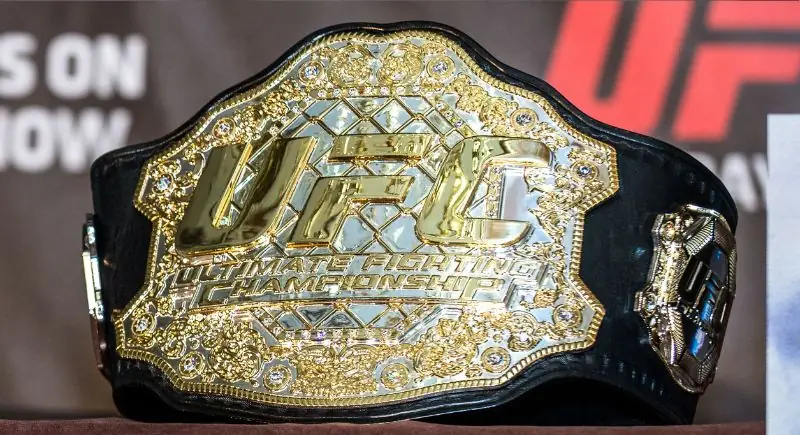
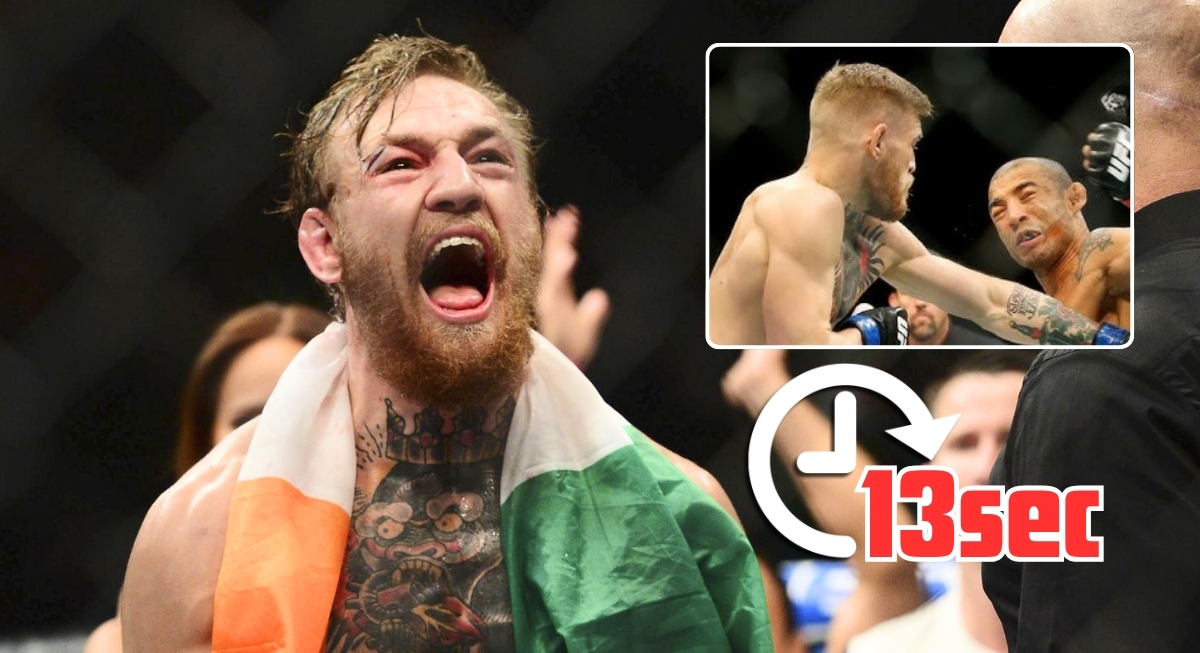
In 2001, UFC was banned in 36 states, and money was lost like clockwork. Lorenzo, Frank Fertitta, and Dana White bought the promotion for a modest $2 million—roughly the price of one McGregor left hook today. That move was considered reckless by many, but they saw potential.
Partnering With Athletic Commissions
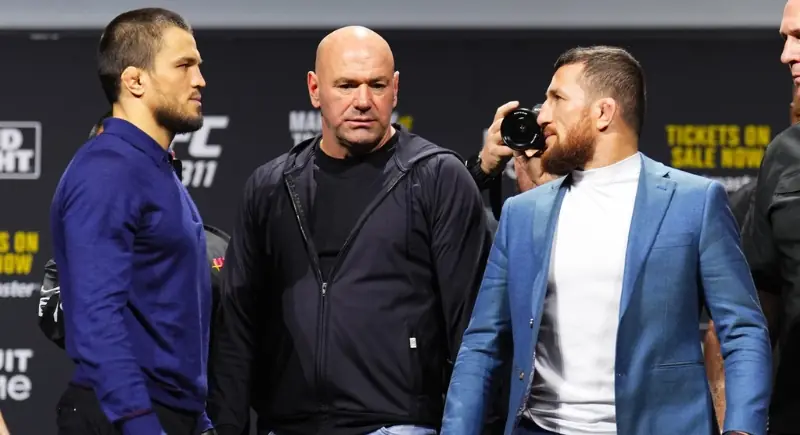
Early UFC fights looked like anything-goes bar scraps. There were no gloves, weight classes, or clear rules. Working with state athletic commissions flipped the script. Regulations gave fighters safety and lawmakers fewer reasons to ban it. States slowly started legalizing UFC again; by 2005, it was legal in more than 20.
Introducing Weight Classes and Unified Rules
Before 2000, fights could feature a 180-pound grappler against a 300-pound striker. Once the Unified Rules of MMA came in, UFC introduced weight classes, round limits, and fouls. Suddenly, it transformed from a freak show to a sport. This shift opened the doors to state regulation and network deals.
Launching the Ultimate Fighter Reality Show
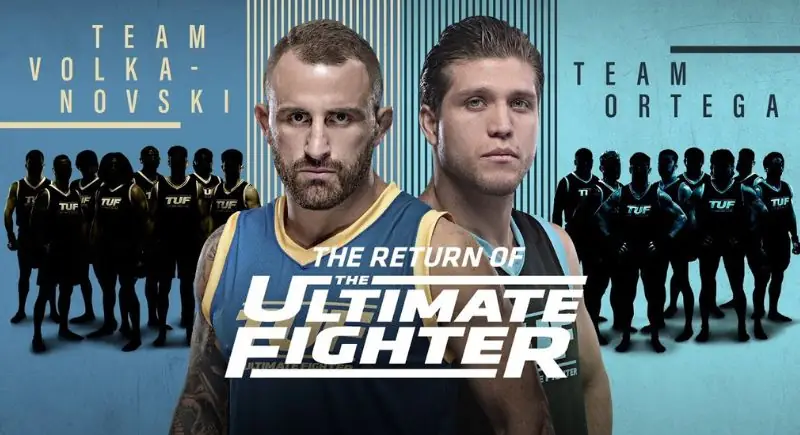
UFC was bleeding cash until it bet big on reality TV. The Ultimate Fighter hit Spike TV in 2005 and gave fans behind-the-scenes drama and training montages. It all came down to Forrest Griffin vs. Stephan Bonnar, which was a brawl so good it reportedly saved the company. Dana White said the finale “changed everything.”
Holding UFC 40: Ortiz vs. Shamrock
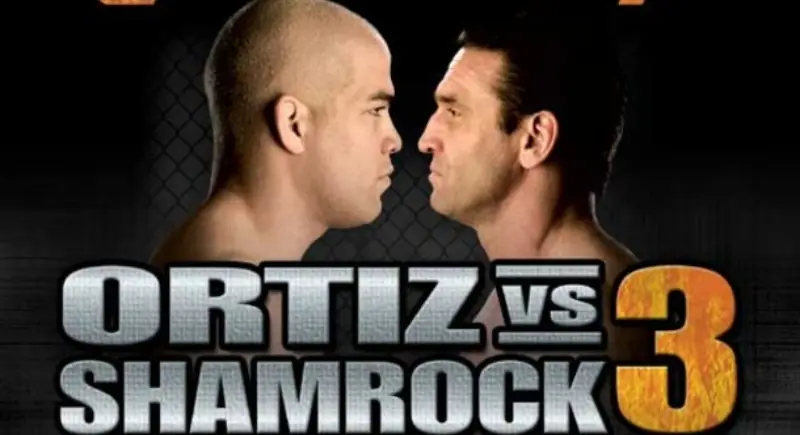
Tito Ortiz and Ken Shamrock’s bad blood was pure marketing gold, and the numbers proved it. Over 150,000 pay-per-view buys made it the highest-grossing event UFC had seen. Finally, storylines and personalities were driving viewership. The company realized rivalries could sell fights better than rankings ever could.
Going All in on Pay-Per-View
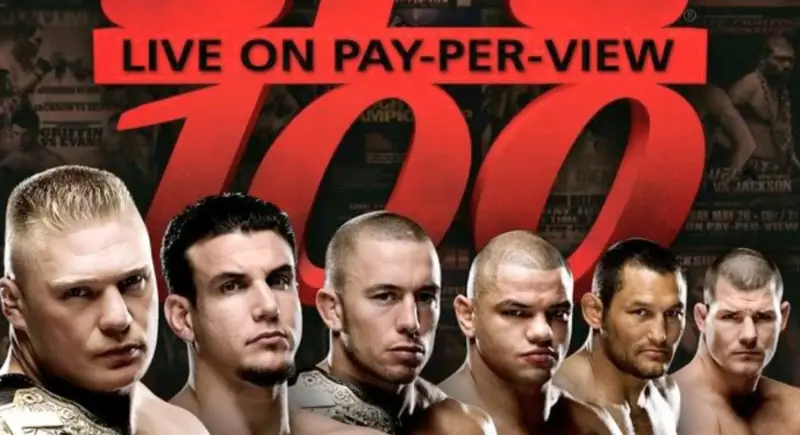
Pay-per-view was a huge financial risk. UFC had no guarantees—just big hopes and bigger production bills, but the gamble worked. By leaning into PPV, UFC gave itself room to make serious money when the matchups were delivered. Events like UFC 66 and UFC 100 brought in over a million buys each.
Signing a Landmark Deal With FOX Sports
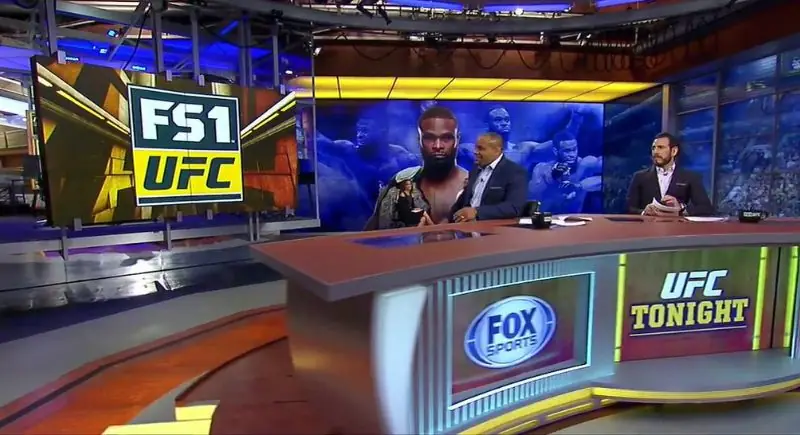
When UFC inked its 2011 deal with FOX, fans saw the sport finally getting a seat at the grown-up table. For the first time, fights aired on prime-time network TV. The debut card featured Junior dos Santos knocking out Cain Velasquez in 64 seconds—millions of people watched.
Investing Heavily in Global Expansion
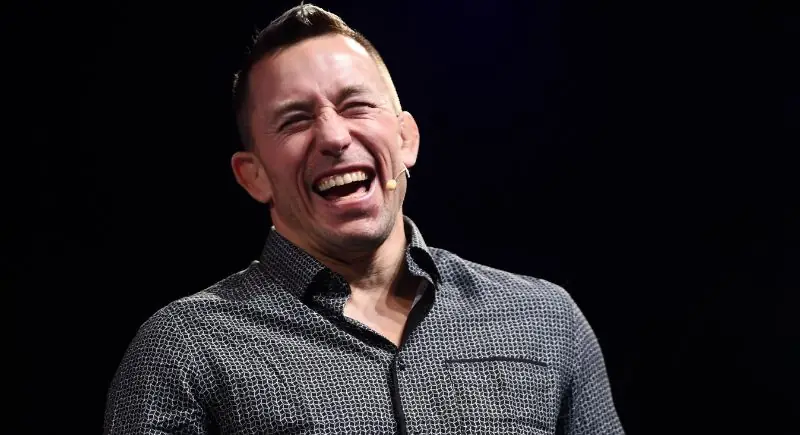
Instead of staying in Vegas and hoping for a U.S. boom, UFC went international. It showed up in Brazil, the UK, Canada, Abu Dhabi—anywhere with a fighting culture. Stars like Georges St-Pierre and Anderson Silva helped build a fanbase worldwide, and the Octagon became a global icon.
Allowing Women to Fight in the Octagon
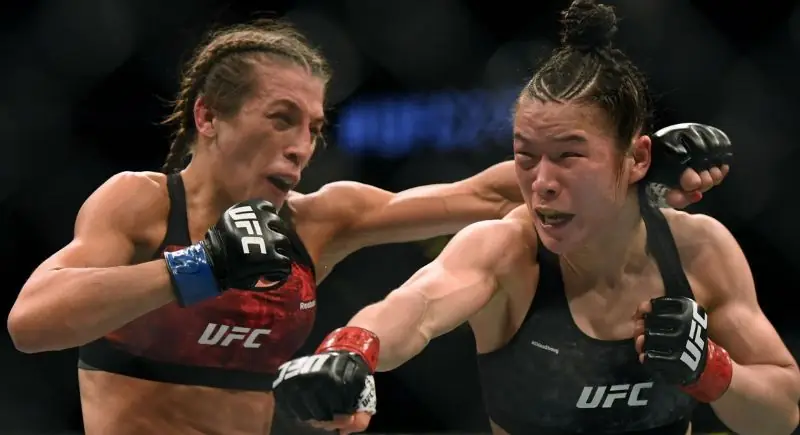
For years, Dana White swore women would never fight in the UFC. Then came Ronda Rousey—and everything changed. When she headlined UFC 157 in 2013, she captured the audience. Her fights sold out arenas and topped pay-per-view charts, and Rousey became a household name almost overnight.
Legalizing UFC in New York State
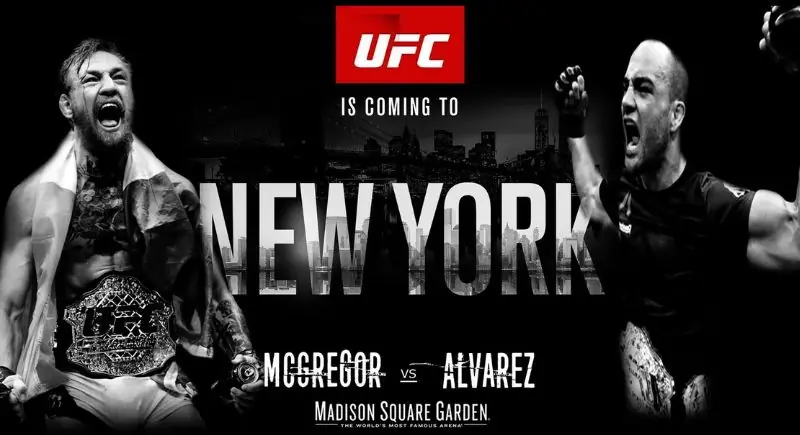
The UFC was banned in New York for years due to old laws and powerful unions. It wasn’t until 2016 that the state finally gave MMA the green light. UFC 205 landed at Madison Square Garden with McGregor headlining. It broke gate records and proved that New York—once its biggest hurdle—could become its biggest stage.
Selling to WME-IMG for $4 Billion
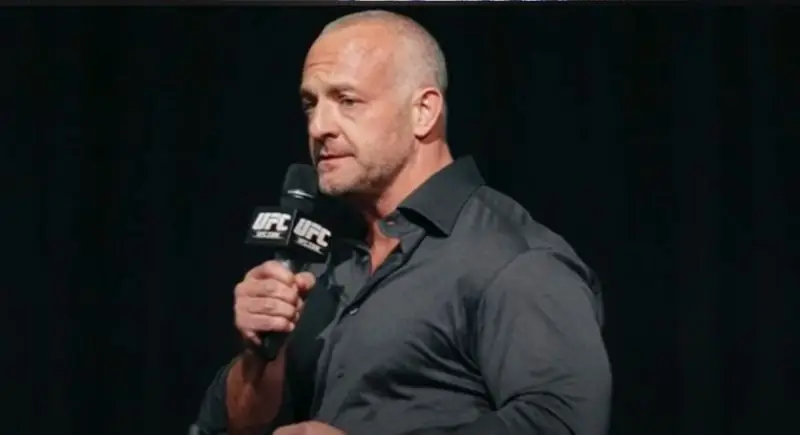
In 2016, the Fertitta brothers cashed out $4 billion and sold UFC to talent agency WME-IMG. This move fueled more celebrity crossovers and international reach. The sale marked UFC’s move from a rebel fight club to a full-blown entertainment brand. It eventually rubbed shoulders with the NFL and NBA in global value.
Booking the McGregor-Mayweather Fight
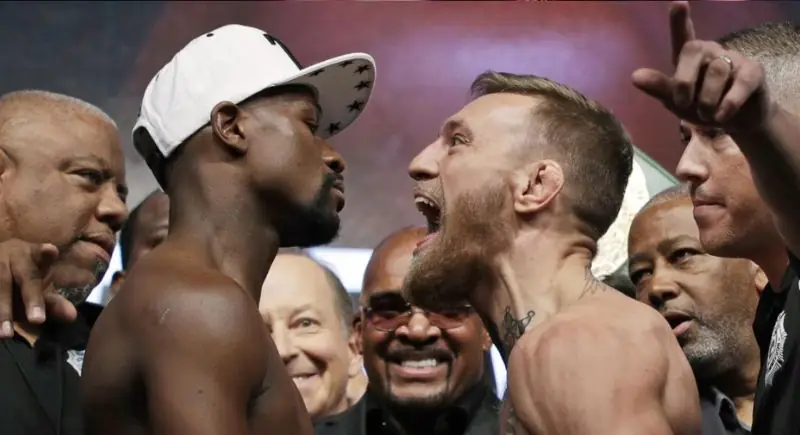
Letting Conor McGregor box Floyd Mayweather was bold, risky, and wildly profitable. UFC crossed into boxing’s turf, pulled 4.3 million PPV buys, and made over $600 million. What looked like a stunt became a global spectacle.
Partnering With ESPN
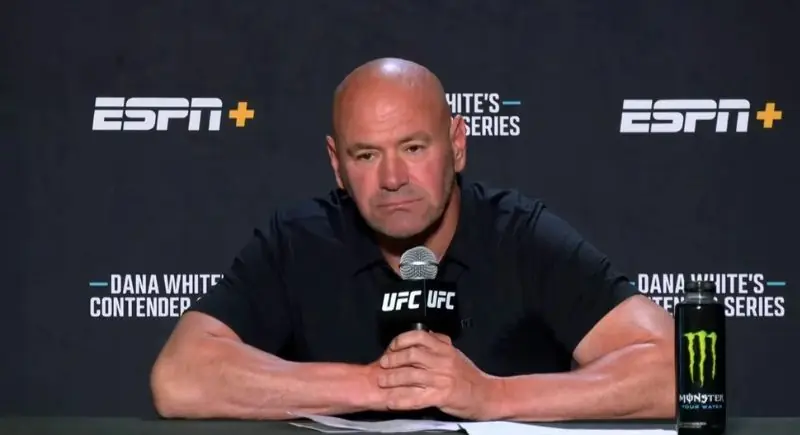
Landing a spot on ESPN changed the game. Suddenly, UFC events were promoted on SportsCenter, highlights aired daily, and fight nights streamed on ESPN+. The 2019 deal gave the brand legitimacy in the eyes of casual fans who once thought it was “that cage stuff.”
Creating the UFC Performance Institute
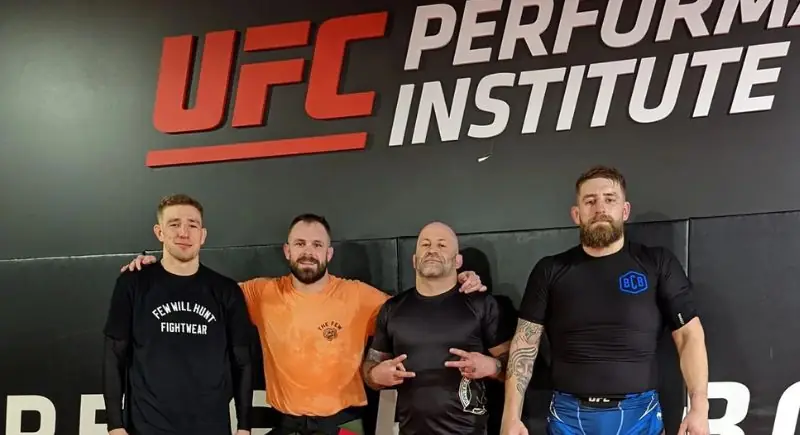
Building the UFC Performance Institute in Las Vegas was a long-term play. It gave fighters access to top-tier nutrition, physical therapy, and training science—all free. It attracted elite athletes and helped extend careers. Plus, it allows the UFC to shape fighter development directly.
TKO Steps Into Boxing
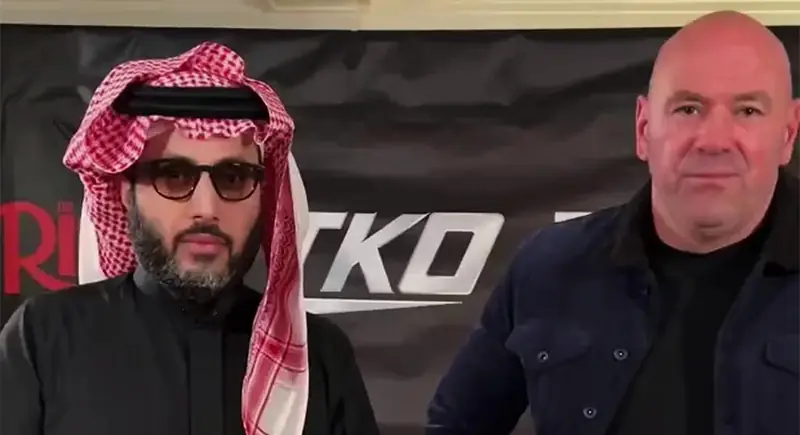
In March 2025, TKO Group Holdings announced a new boxing promotion in partnership with Turki Alalshikh and Sela. That move officially pushed the company behind UFC into another combat sport. Instead of just talking about crossover dreams, leadership put structure behind it, expanding beyond mixed martial arts.