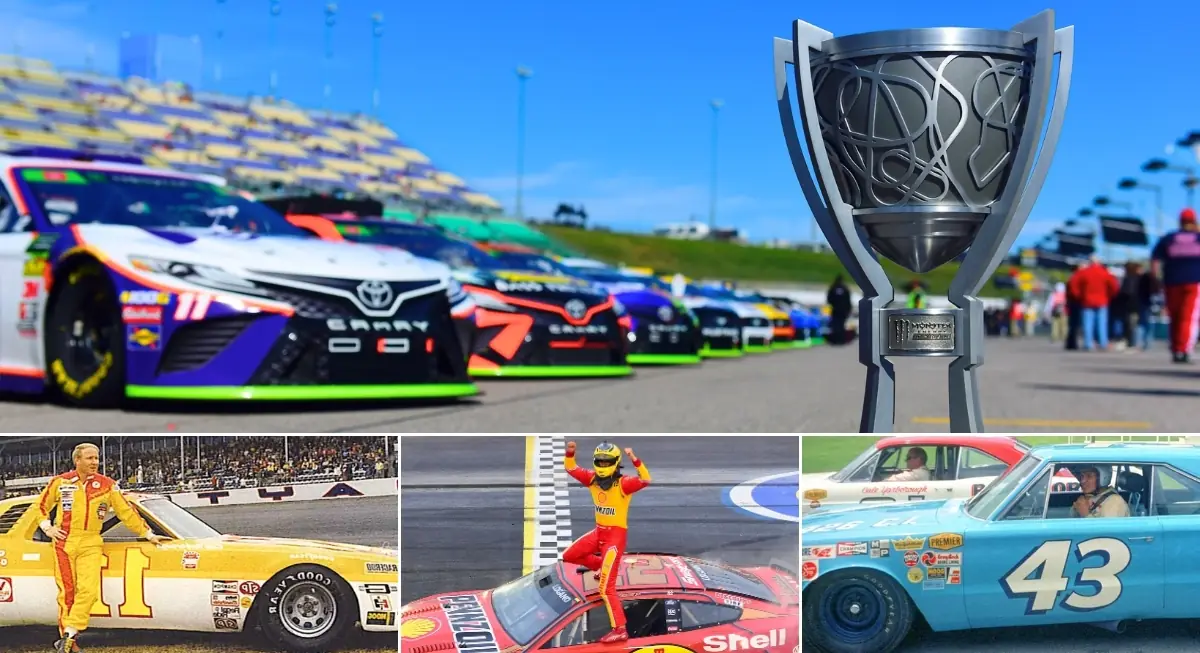
Some drivers win races and control seasons at the same time. In a sport built on split-second decisions and fierce rivalries, only a few have strung together campaigns so strong that the rest of the field could barely keep up.
These are the seasons when preparation, sharp instincts, and flawless execution left competitors in the dust.
Richard Petty – 1967
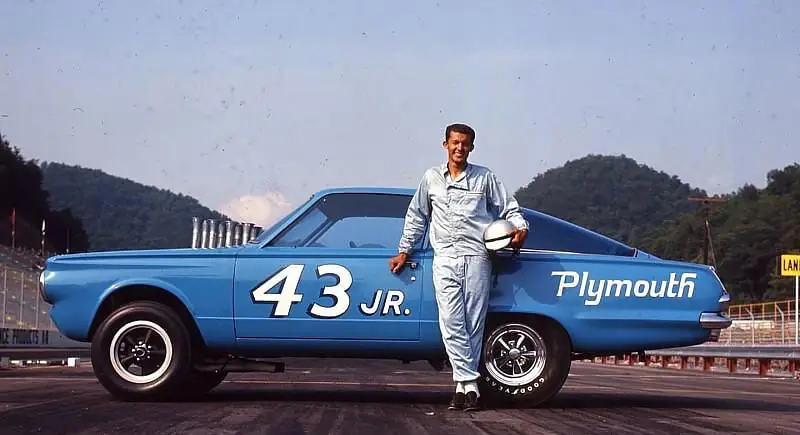
Milestones toppled week after week. Across 48 starts, Richard Petty won 27 times, including an unmatched streak of 10 straight victories. He led over 5,000 laps and finished in the top five 38 times. It’s still the most victories in a single NASCAR season, and no one’s come close in the decades since.
Jeff Gordon – 1998
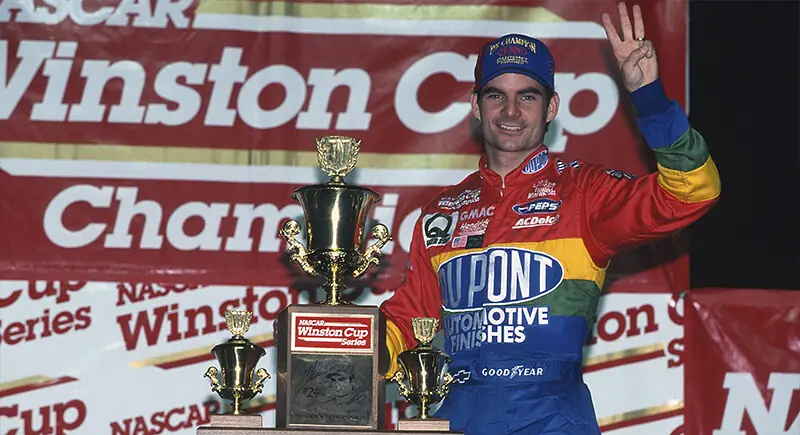
Every week, the No. 24 car was in the mix, all thanks to Jeff Gordon. He stacked up 13 triumphs and 26 top-five finishes across 33 races. And he is often praised for controlling the field with more than 1,300 laps led and clinching the title comfortably.. His relentless pace and teamwork with crew chief Ray Evernham made 1998 a nearly flawless campaign.
Cale Yarborough – 1978
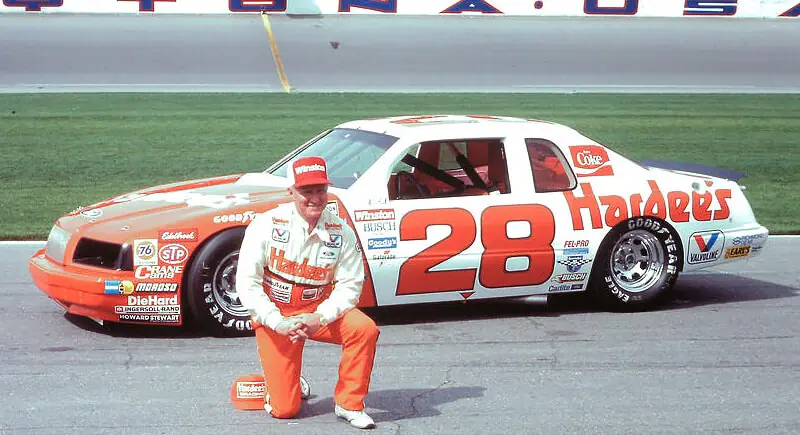
Punching the clock each week with top-five finishes is not an easy task. But Cale Yarborough stormed through the ’78 season because of his laser focus. He won 10 times and finished among the top five in 24 of 30 races. That performance brought him a third consecutive championship and made him the first to pull off such a streak.
Dale Earnhardt – 1987
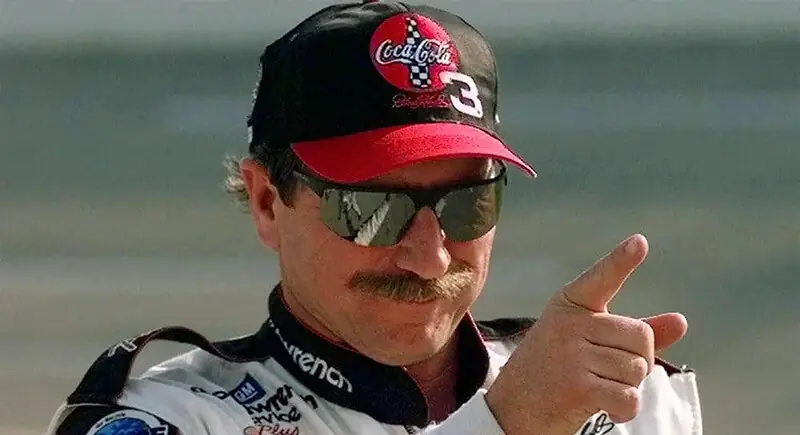
When the green flag dropped, he didn’t wait around. Dale Earnhardt locked up the championship before the finale and came first in 11 races. His driving skills had an edge that allowed him to control the field that year; that’s exactly why they called him “The Intimidator.”
Tony Stewart – 2011
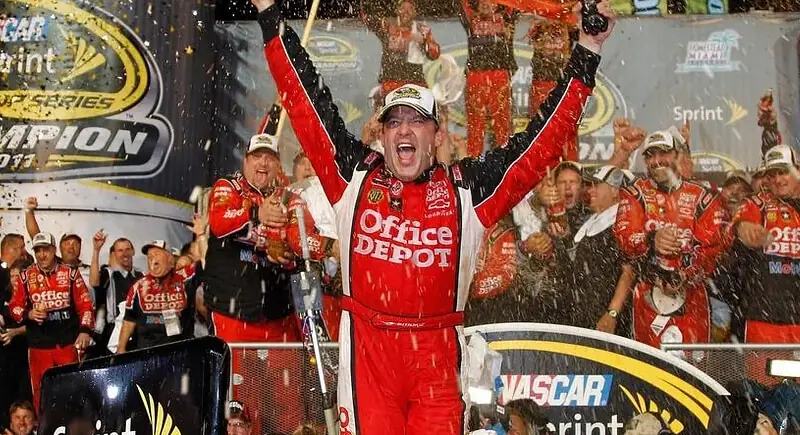
No wins through the regular season? That changed fast. Once the playoffs began, Tony Stewart caught momentum at the perfect time and finished first in five out of the final ten races. He edged Carl Edwards in a points tiebreaker to grab the title and delivered one of the most dramatic and clutch postseason runs NASCAR had ever seen.
Darrell Waltrip – 1981
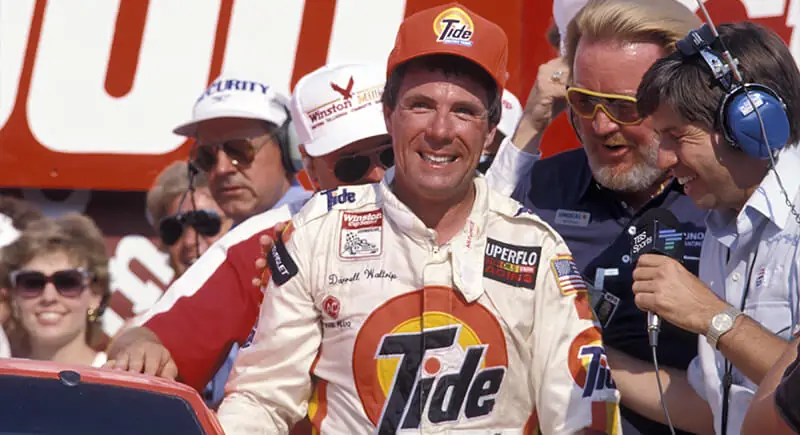
Darrell Waltrip scored 12 victories and 21 top-fives in 31 starts while competing for Junior Johnson. His aggressive driving and short-track prowess carried him to his first Cup title and marked the beginning of a dominant stretch in the early ’80s. His successes indeed came in bunches, but so did strong finishes.
Kevin Harvick – 2020
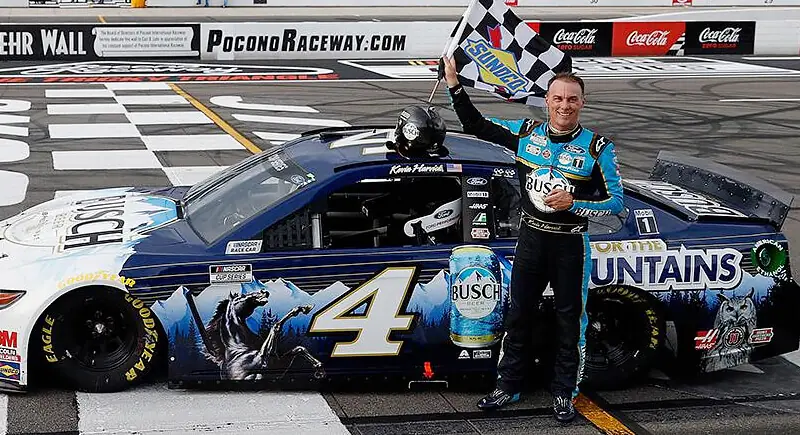
Nine wins and 27 top-ten finishes should have meant a championship. Although Harvick missed the final four, his performance over most of the year was unmatched. He led more laps than any other driver and topped the regular-season standings. In terms of total impact, 2020 ranks among his strongest seasons ever.
Jimmie Johnson – 2007
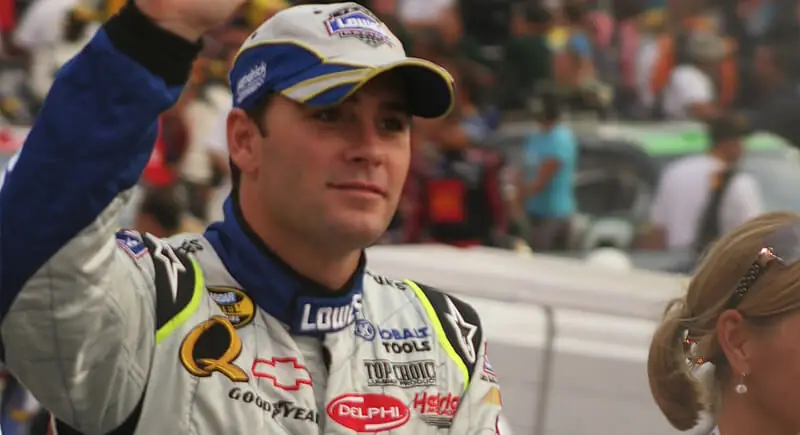
Late-season runs are hard to sustain, but Jimmie Johnson made it look easy. He pieced together a remarkable four-race winning streak in the playoffs and finished the year with ten overall. Chad Knaus was atop the pit box at the time, but the athlete surged when it mattered most and claimed back-to-back titles.
Bill Elliott – 1985
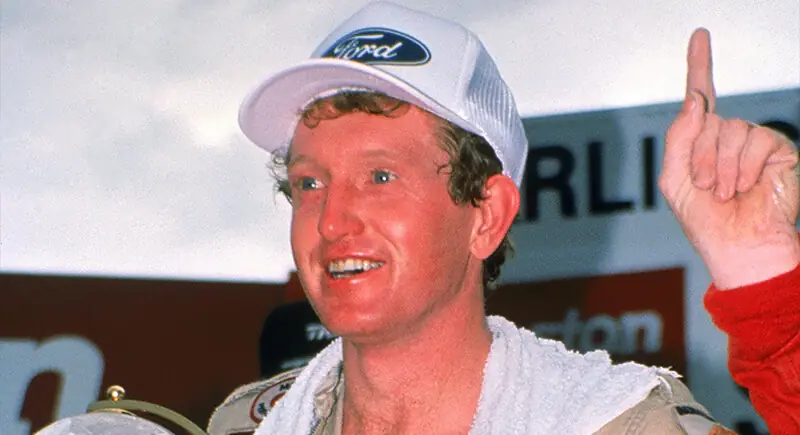
No one had ever seen speed like that at Daytona and Talladega. Bill Elliott ended up winning 11 times. He blew by competitors on superspeedways and shattered speed records at the sport’s fastest tracks. He was also the one who pulled in NASCAR’s first million-dollar bonus. The title slipped away, but his dominance on high-speed tracks in ’85 set a new standard for pure velocity and engine might..
Terry Labonte – 1996
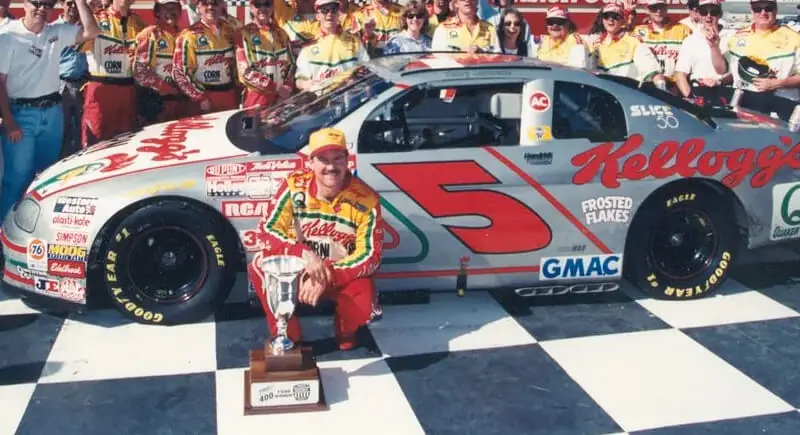
Sometimes, steady wins the race, and the season. Labonte avoided trouble, banked 21 top-fives, and finished nearly every race near the front. His calm style masked a relentless consistency that wore down flashier competitors. That second championship, 12 years after his first, reminded everyone just how valuable experience can be.
Joey Logano – 2022
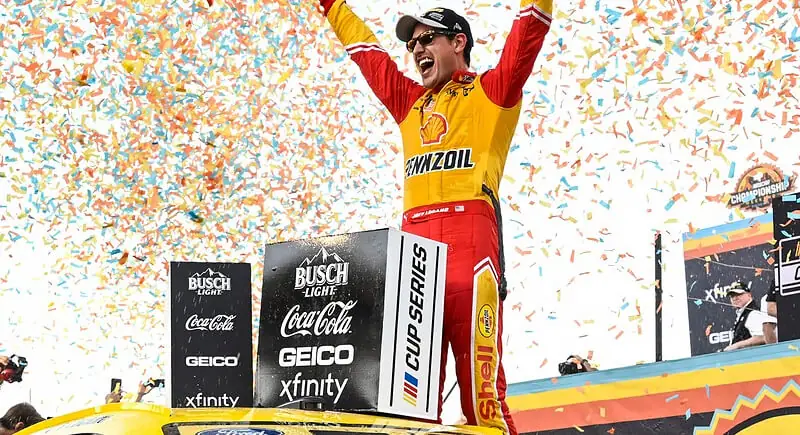
The race at Phoenix wasn’t close. Joey Logano led the final event from the pole and closed out a title run built on timely adjustments and smart pit decisions. He may not have been making headlines the whole year, but when things got serious, he took control. By coming in ahead in four races, he sealed his second championship.
Fred Lorenzen – 1964
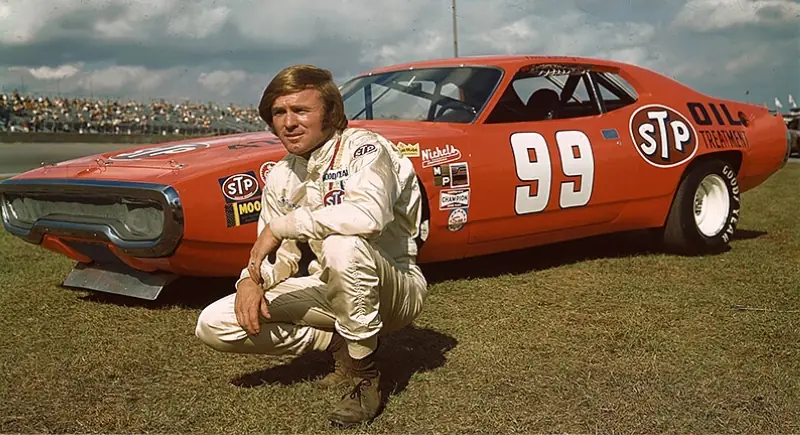
Most drivers that year ran double the schedule, but Fred Lorenzen didn’t have to. In just 16 races, he won eight and stacked up five consecutive wins during one stretch. His ability to make an impact without chasing every race showed how calculated excellence could compete against pure volume.
Matt Kenseth – 2003
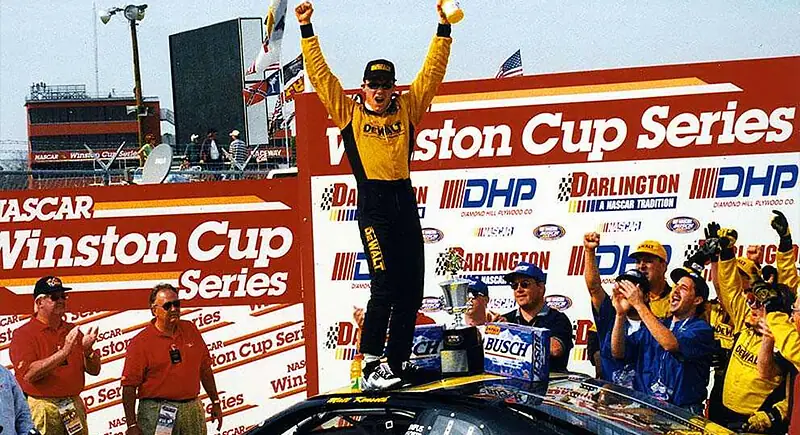
Critics wanted more titles, but Matt Kenseth showed how valuable consistency could be. He picked up a single victory but led the standings most of the year thanks to 25 top-ten finishes. His season-long control led to a championship and helped influence the creation of NASCAR’s playoff format the next year.
David Pearson – 1968
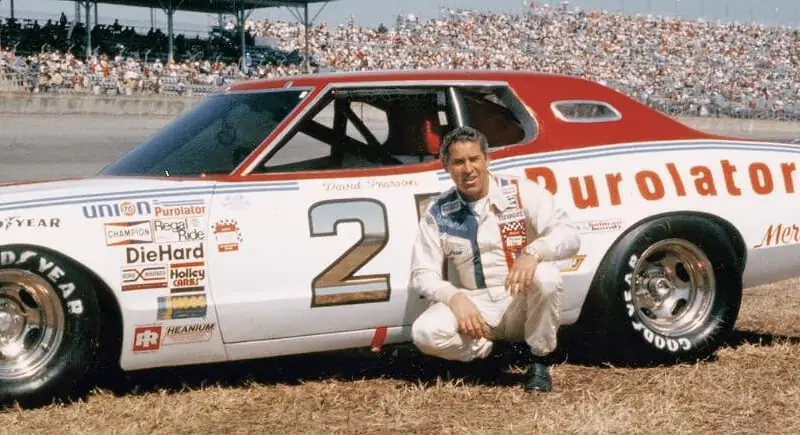
Not many drivers ran every race, but David Pearson made the ones he entered count. He won 16 of 48 starts and led more than 4,000 laps while finishing in the top five 36 times. Paired with Holman-Moody, his strategic style and sharp instincts kept him one step ahead throughout the season.
Bobby Allison – 1983
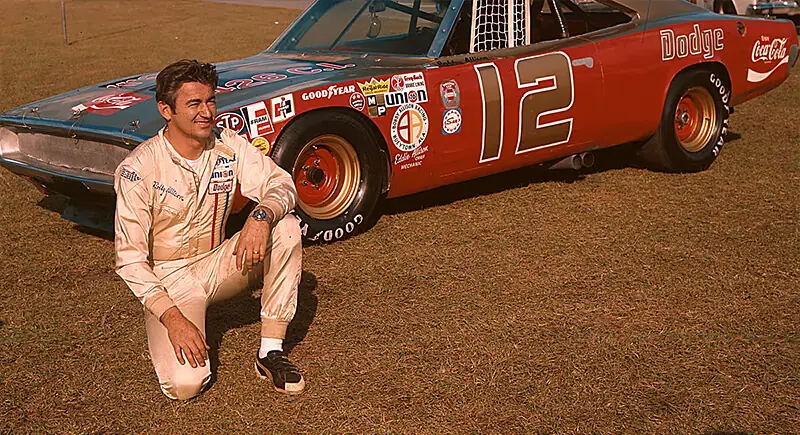
That title didn’t come easily, but it came late in a career full of near misses. Allison, already in his mid-40s, stacked six wins that season and stayed aggressive when it counted. He beat younger drivers with patience and kept himself in the conversation with consistent top finishes across a grueling schedule.
Tim Flock – 1955
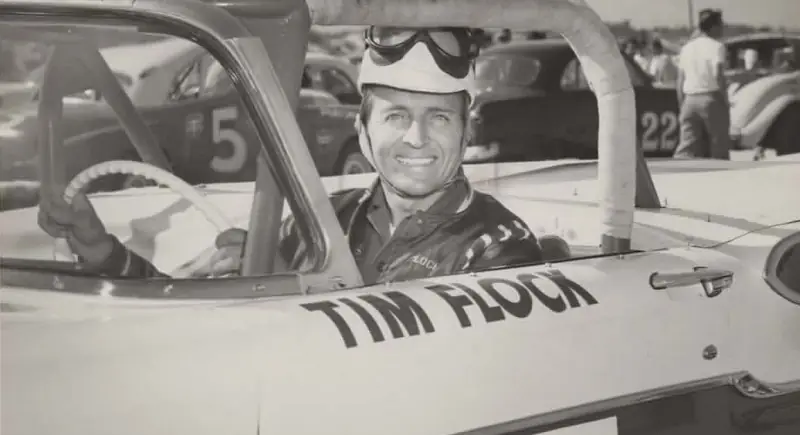
Consistency made all the difference in Tim Flock’s 1955 run. He picked up 18 wins in 45 races and rarely fell out of contention, stacking up finishes that kept him comfortably ahead in the standings. While others flashed speed, Tim kept showing up every week, turning steady results into one of NASCAR’s most commanding championship seasons.
Herb Thomas – 1953
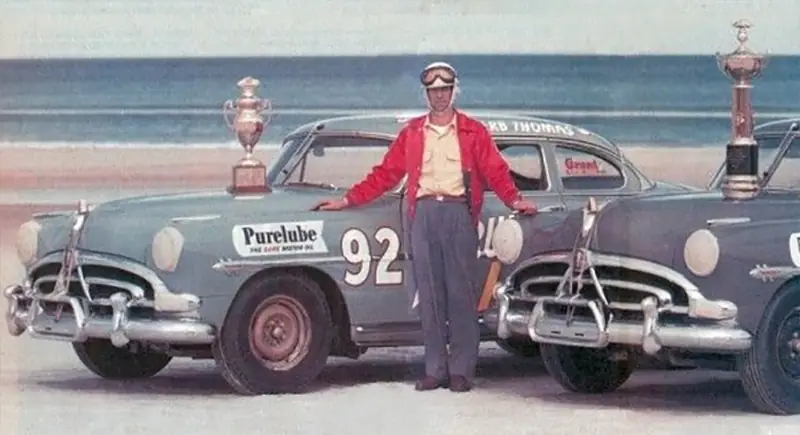
Herb Thomas turned the 1953 season into a showcase of control and precision. He won 12 races and finished inside the top five in the majority of his starts, building a points lead that never felt in danger. Herb’s ability to stay sharp across long schedules helped define what dominance looked like in NASCAR’s early years.