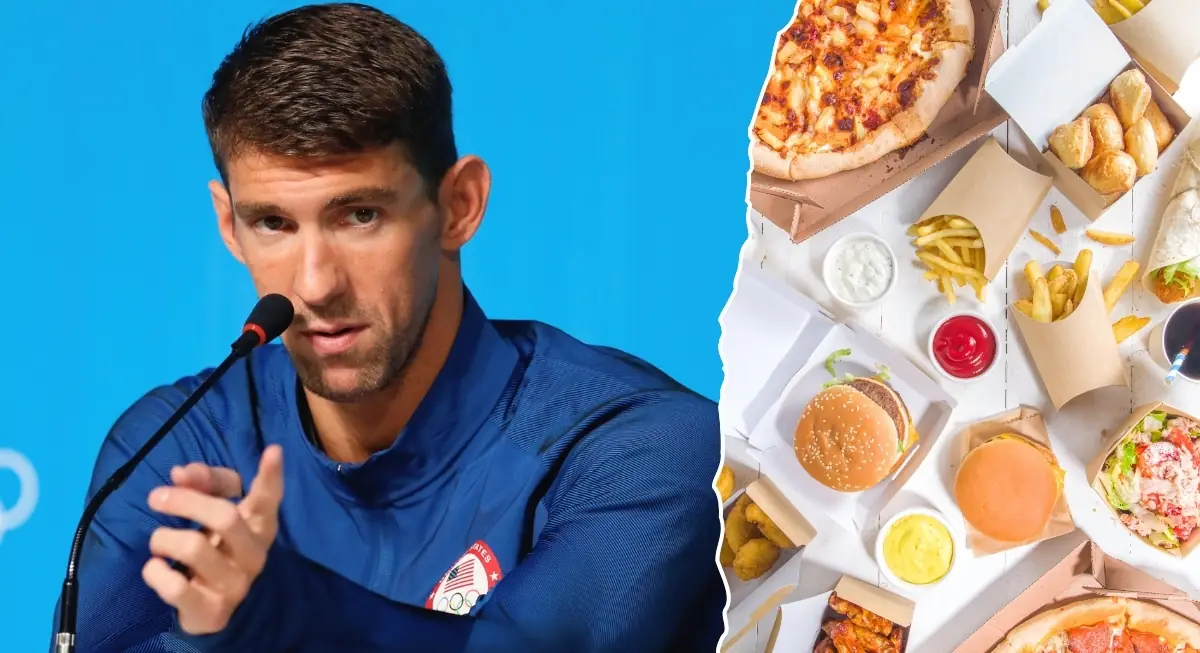
Sure, Michael Phelps swam like a machine, but did he really eat like one, too? Back in 2008, headlines everywhere were raving about his so-called 12,000-calorie-a-day diet. Towering stacks of pancakes, piles of pasta, pizzas by the dozen sound outrageous or even made-up. But the real story is less exaggerated and far more fascinating.
Here’s what Phelps actually ate, why the numbers got twisted, and what it really takes to fuel a body like his.
The 12,000-Calorie Claim Was an Overblown Estimate
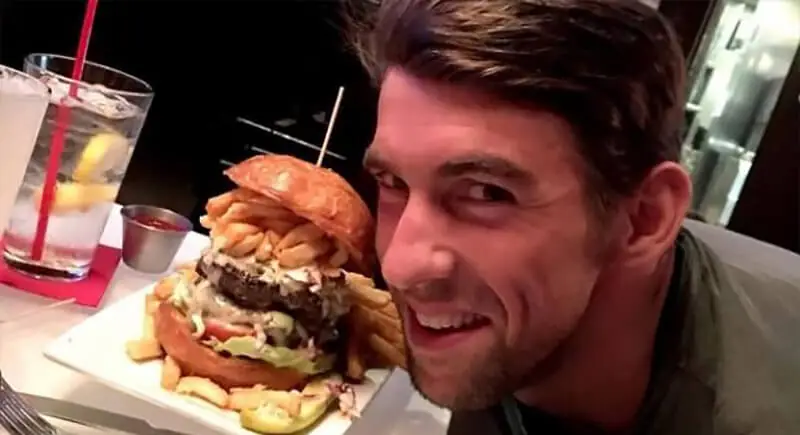
Here’s how the legend was born: a reporter had a casual chat with Phelps, did some quick napkin math, and the next thing you know, “12,000 calories” became Olympic gospel. Phelps later looked at that number and went, “Wait, what?” His actual intake was closer to 8,000–10,000 on intense training days.
Phelps Himself Debunked the Myth Years Later
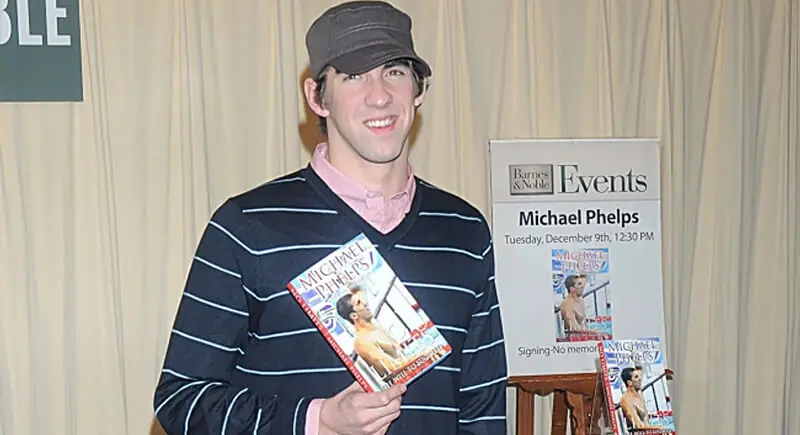
In his autobiography No Limits, Phelps finally gave the world the straight scoop. “It’s just not true,” he wrote about the infamous number. He wasn’t exactly living on a strict meal plan with a calculator in hand, but 12,000 was off the mark by a country mile. It was just a big misunderstanding that got legs.
Breakfast Was a Marathon, Not a Meal

Phelps’s mornings kicked off with fried egg sandwiches (three of them, loaded with cheese and mayo) then a parade of pancakes, French toast, a five-egg omelet, some grits, and a big coffee to wash it down. And if he was still hungry on the way to training, he didn’t hesitate to add more.
Lunch Looked Like a Buffet Spread
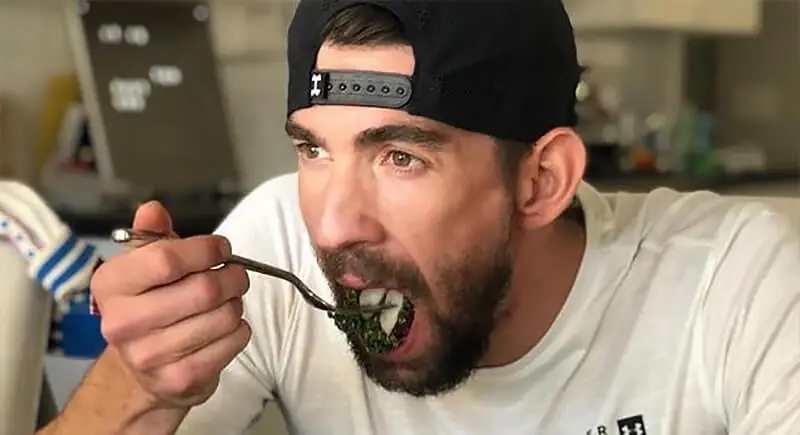
Afternoons looked more like a team catering spread than a solo meal. We’re talking half a kilo of pasta, two huge sandwiches soaked in mayo, and a few energy drinks just to keep things buzzing. The goal of this mid-day meal was to keep his energy reserves stocked before another grueling training session.
Dinner Doubled Down on Carbs and Calories

By evening, Phelps doubled down. A whole pound of pasta (carbonara was a favorite), a large pizza, and more energy drinks rounded out the day. He needed to stay fueled, especially when racing event after event with almost no time to recover.
He Trained Six Hours a Day, Every Day
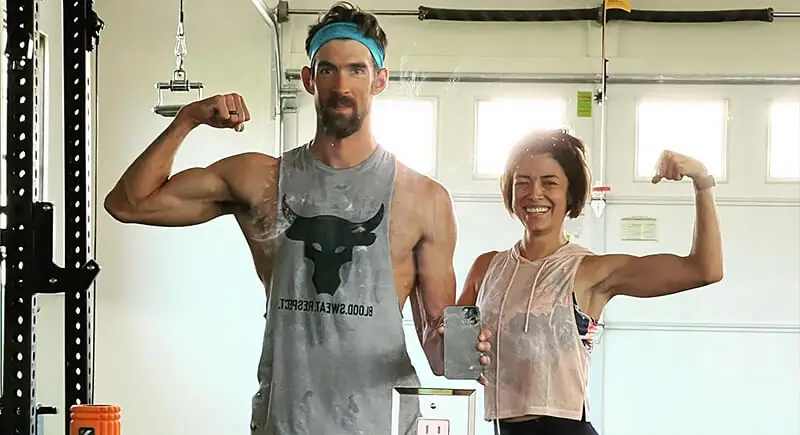
You can’t eat like that unless you’re burning it, too. Phelps trained six hours a day, seven days a week, yes, even on holidays. At times, he was in the water so much he joked to NBC, “Eat, sleep, and swim, that’s all I can do.” And he meant it literally.
One Hour in the Pool Burned 1,000 Calories
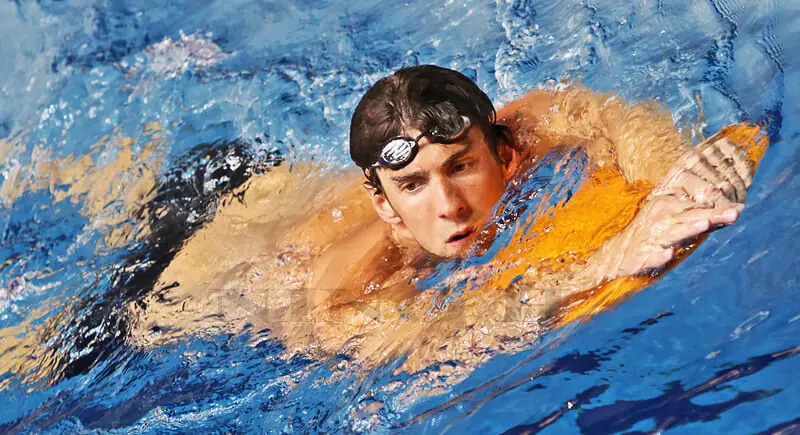
His metabolism was turbocharged. At his training peak, Phelps reportedly burned around 1,000 calories an hour. The multi-hour sessions every day justified his massive intake, even if not quite 12,000 worth. His body fat hovered around 8 percent, and he still had to fight to keep weight on.
Even During Competitions, He Ate This Much
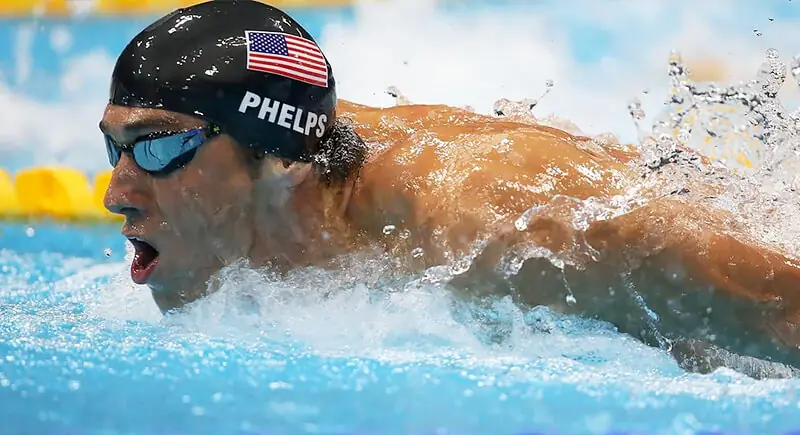
When competition rolled around, the menu stayed the same. Multiple races in a single day meant energy management was everything. Cutting calories could’ve meant cutting performance, and there were medals on the line. So yes, that full-throttle eating continued all the way through Beijing.
He Was Often Spotted Eating Whatever Was Handy
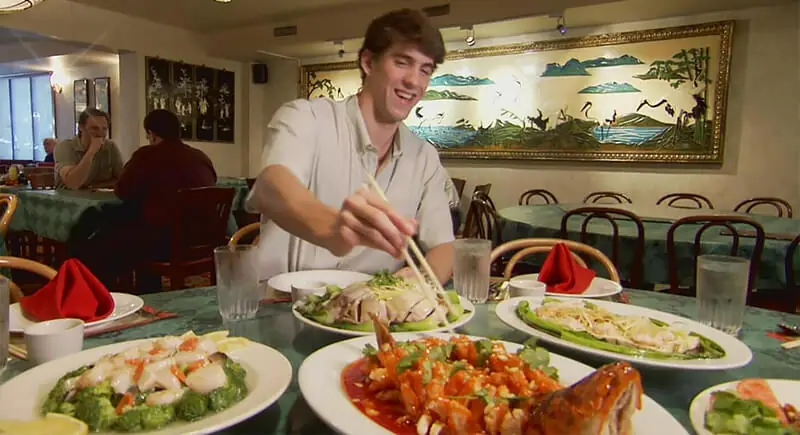
He wasn’t picky about sources. Once photographed at a Chinese restaurant before the 2008 Olympics, Phelps admitted he didn’t cook. “I just cram whatever I can into my body,” he told NBC.
Why We’re So Bad at Estimating Calories
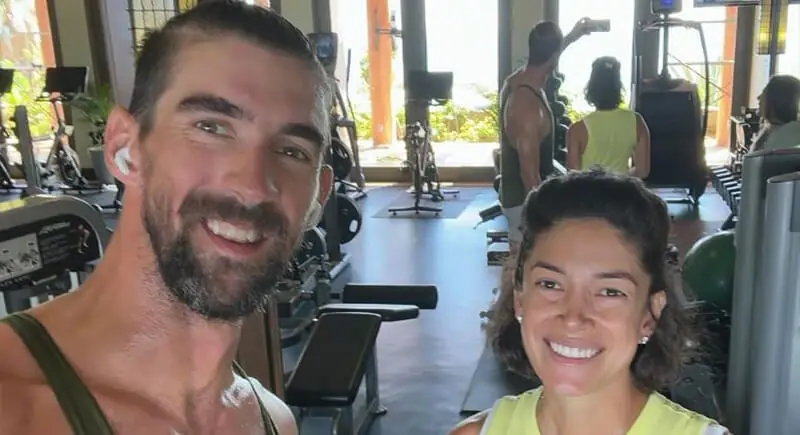
Part of why the 12,000 myth stuck is that most people are terrible at calorie math. Studies show we underestimate what we eat by hundreds of calories a day. So when a reporter made a rough guess on Phelps’s intake, it probably felt accurate to everyone else.
Processed Foods Make Estimating Even Harder

Think about it, half the food we eat now comes in a package, pre-loaded with sugar, oils, and surprise calories. When you’re dealing with that kind of density, estimating totals becomes a shot in the dark. Even Phelps probably didn’t know exactly how many calories he was hitting. But again, he wasn’t alone.
A 4,000-Calorie Gap Is Huge And Misleading
Jumping from 8,000 to 12,000 might sound like splitting hairs, but it’s actually a 4,000-calorie difference, enough to feed the average adult for two whole days. That kind of overstatement made it seem like Phelps was performing nutritional magic when really, he was just doing what elite athletes do.
Why Phelps’ Real Diet Was Still Extraordinary
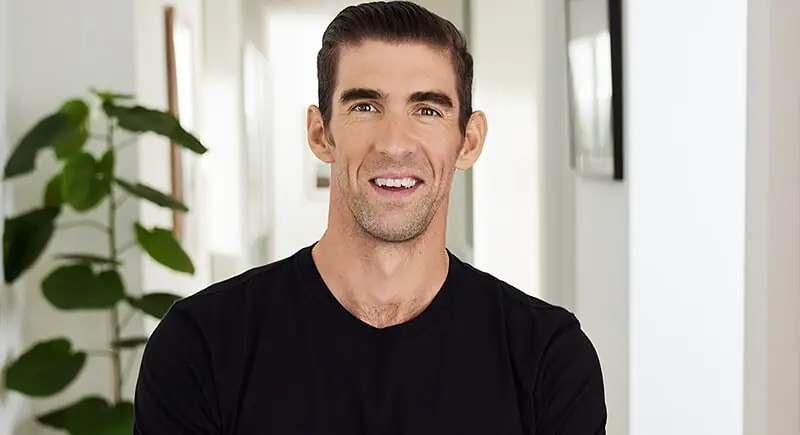
Let’s not pretend his actual intake was light. Most people would feel queasy halfway through that breakfast. But for an elite swimmer burning thousands of calories, it was necessary. And it worked in perfect sync with his body’s needs.
Other Endurance Athletes Eat Just as Much
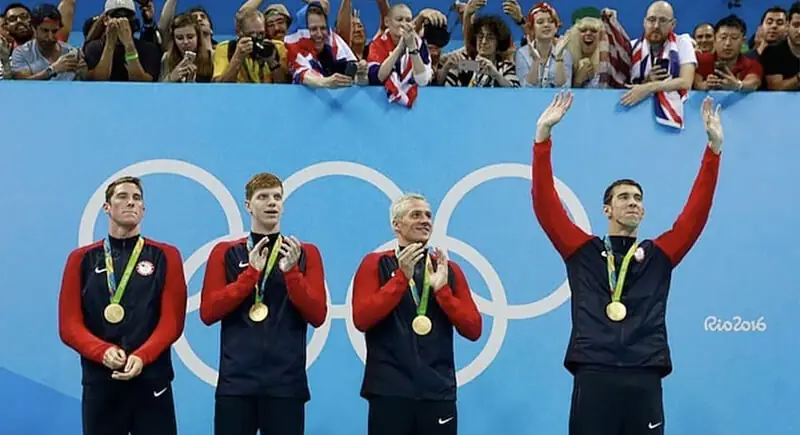
Phelps wasn’t alone in high-calorie living. Endurance Olympians across sports regularly eat 7,000 to 10,000 calories a day during training. What made his case so infamous was the specificity of those pancake stacks and pasta mountains.
He Didn’t Obsess Over Macronutrient Precision

What’s maybe most surprising is that Phelps wasn’t tracking his macros or hitting protein targets with a stopwatch. He ate when he was hungry, trusted how he felt, and didn’t stress about ratios. That laid-back approach might’ve been one of his secret weapons, consistent, simple, and stress-free.
He Switched to a Cleaner Diet Later in His Career

Michael Phelps stopped treating food like a nonstop calorie race once he got older and training changed. The giant pasta bowls started shrinking. More lean protein showed up. Vegetables did too. He still ate a lot, but the focus shifted toward recovery and staying sharp during long meets rather than stuffing himself between practices.
Recovery Shakes Became Crucial for Quick Turnarounds
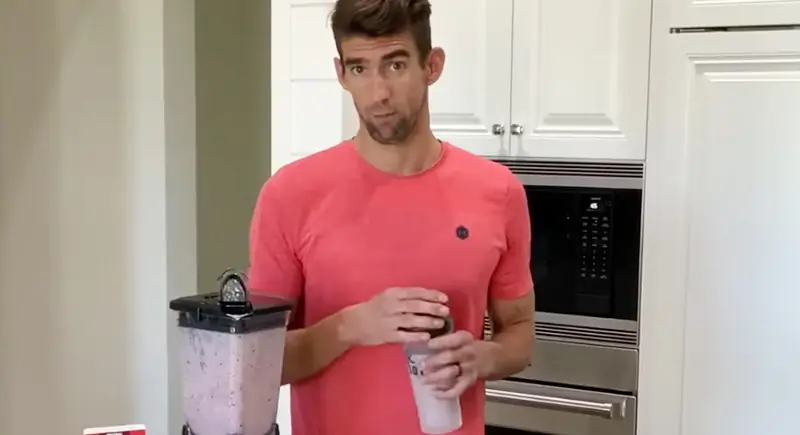
Swimming heats can stack up fast during major competitions, and full meals do not fit neatly between races. Recovery shakes solved that problem. Phelps used them to get protein and carbs back into his system without having to sit through another heavy plate of food. Sometimes there were only a couple of hours before he had to dive in again.