Hockey didn’t always look the way it does today, especially in the crease. For years, goaltenders relied solely on reflexes and courage, facing fast-moving pucks with little protection. The goalie mask changed that reality, though its path to acceptance wasn’t smooth or immediate. Over time, it turned into one of the sport’s most recognizable pieces of equipment.
Jacques Plante Changes the Game Overnight
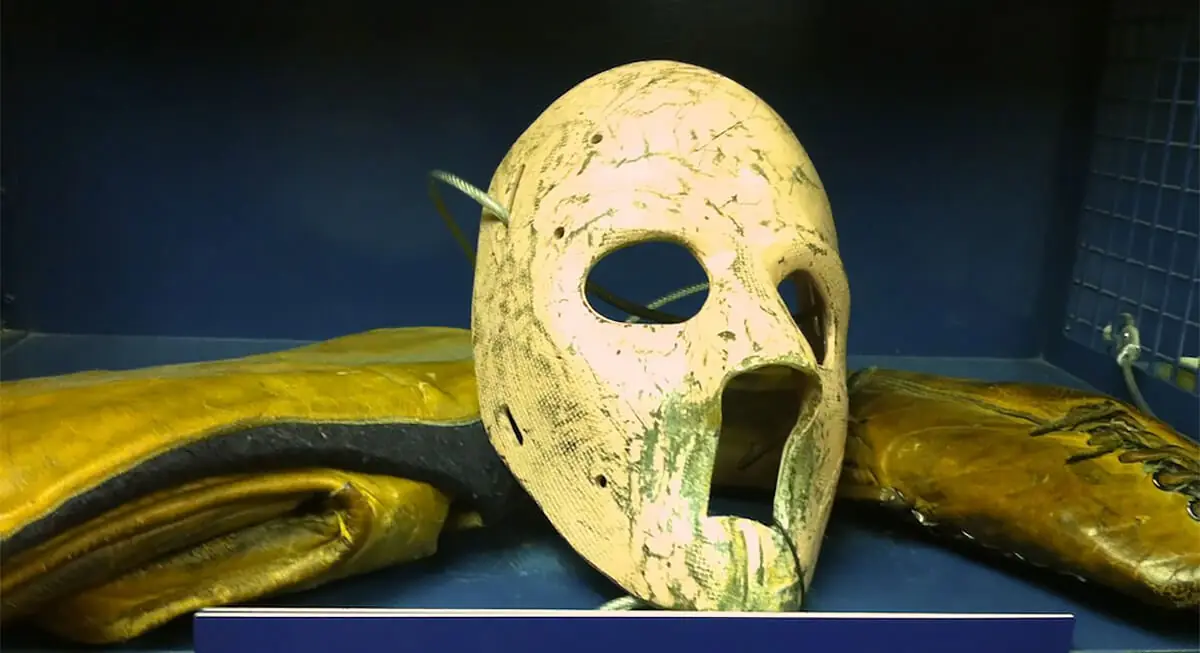
A single injury pushed Jacques Plante into history. During a 1959 game, a puck struck his face, forcing him to use a fiberglass mask he had been experimenting with in practice. Coaches had discouraged masks, but Plante refused to continue without one. Montreal won that night, and the decision stuck.
Early Resistance to Face Protection
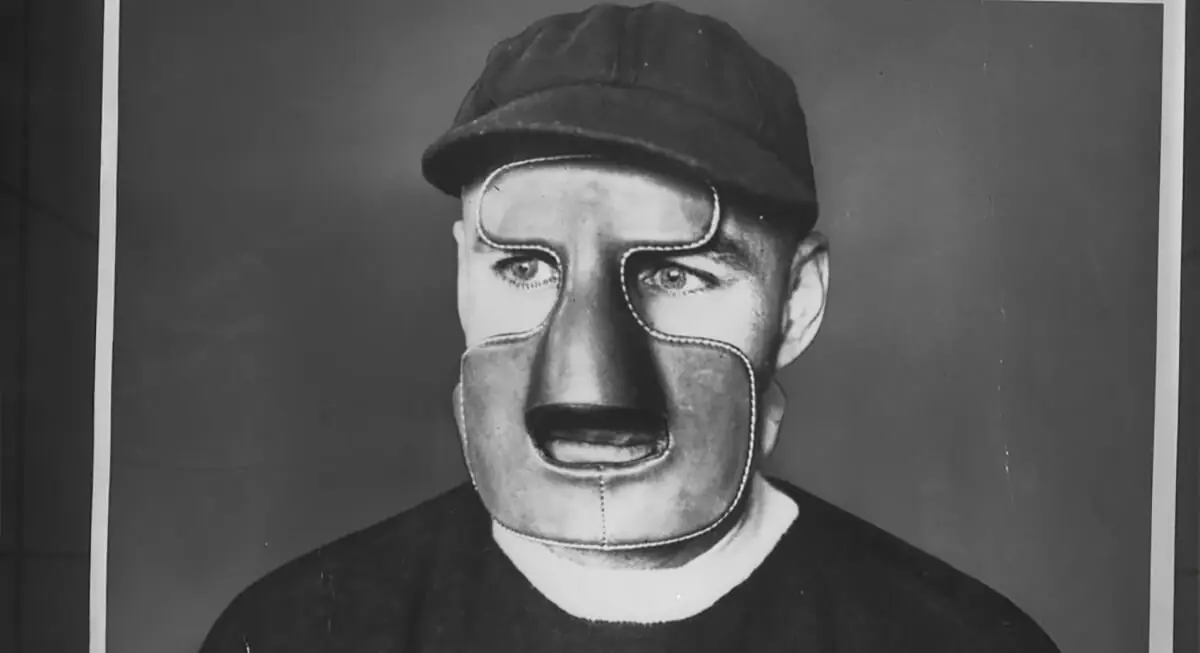
Before masks gained traction, toughness defined the position differently. Coaches and players often viewed protective gear as unnecessary or even weak. Clint Benedict briefly tried a leather face covering in the 1930s after breaking his nose, though poor visibility forced him to abandon it.
Fiberglass Masks Become the First Standard
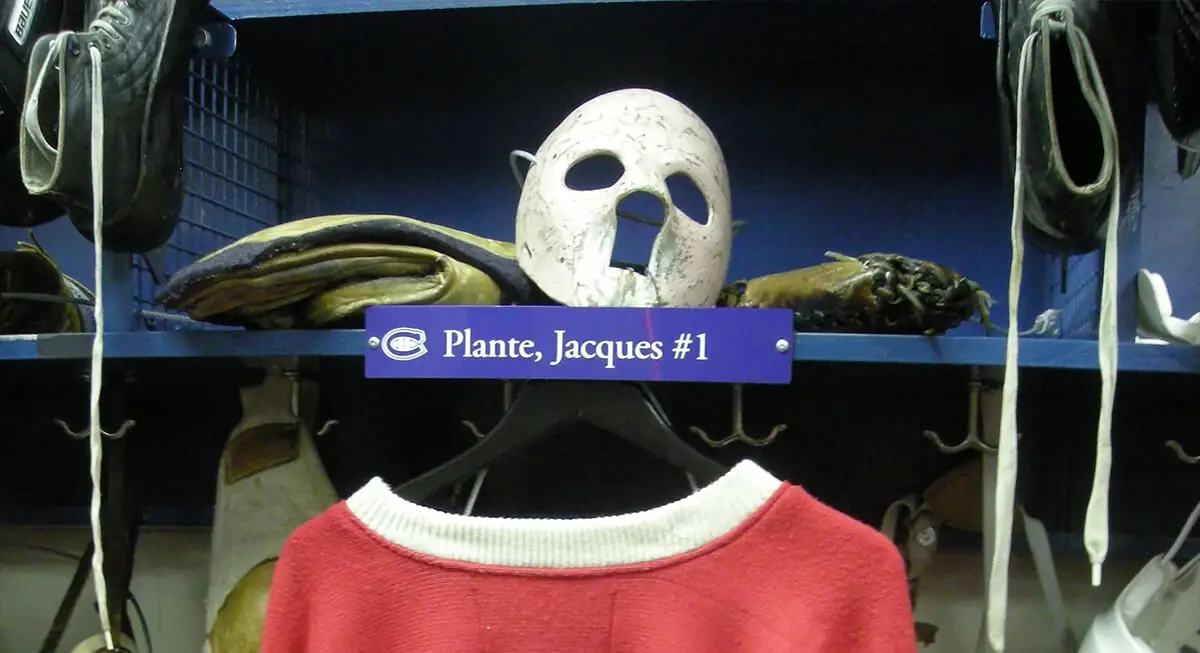
Plante’s original design relied on a fiberglass mold tightly fitted to his face. The process involved creating a plaster cast, then shaping the mask to match every contour. It offered basic protection but had limitations, including heat buildup and restricted airflow. Even with those drawbacks, the idea spread quickly. By the late 1960s, most NHL goaltenders had adopted similar masks.
The Last Maskless Goalie Leaves an Era Behind
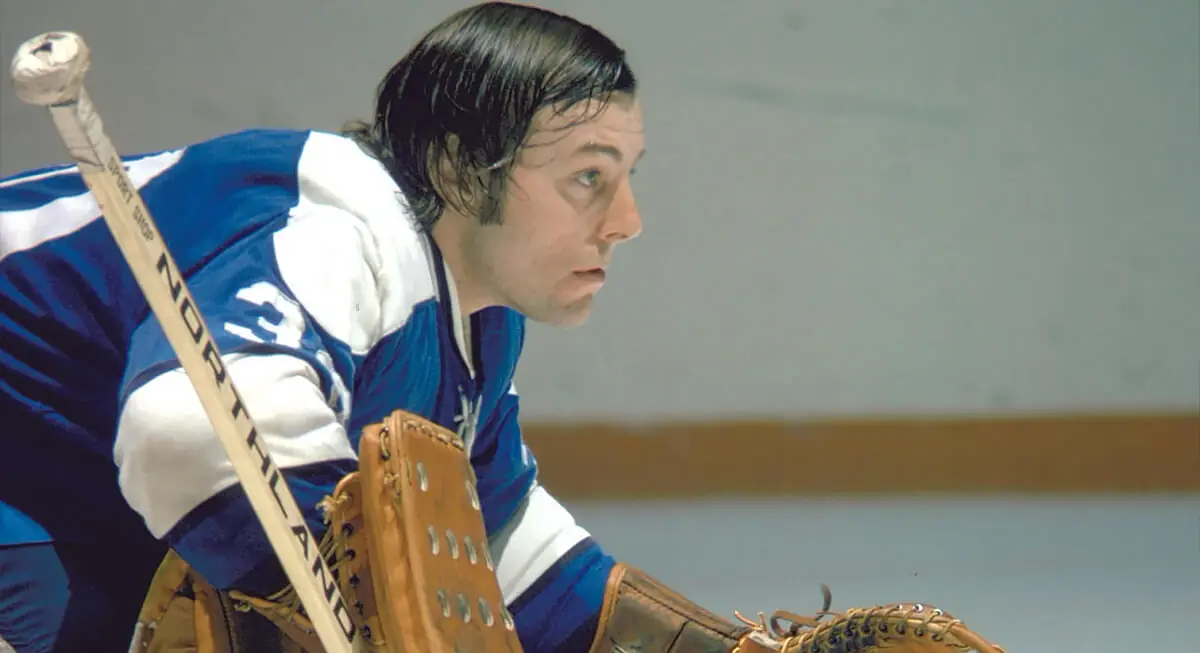
Change in hockey often arrives gradually, though this moment marked a clear ending. Andy Brown of the Pittsburgh Penguins played without a mask until 1974, long after his peers had switched to them. His decision stood out in a league that had already embraced protection. When he retired, the era of bare-faced goaltending effectively closed.
Design Adjustments Improve Safety and Comfort
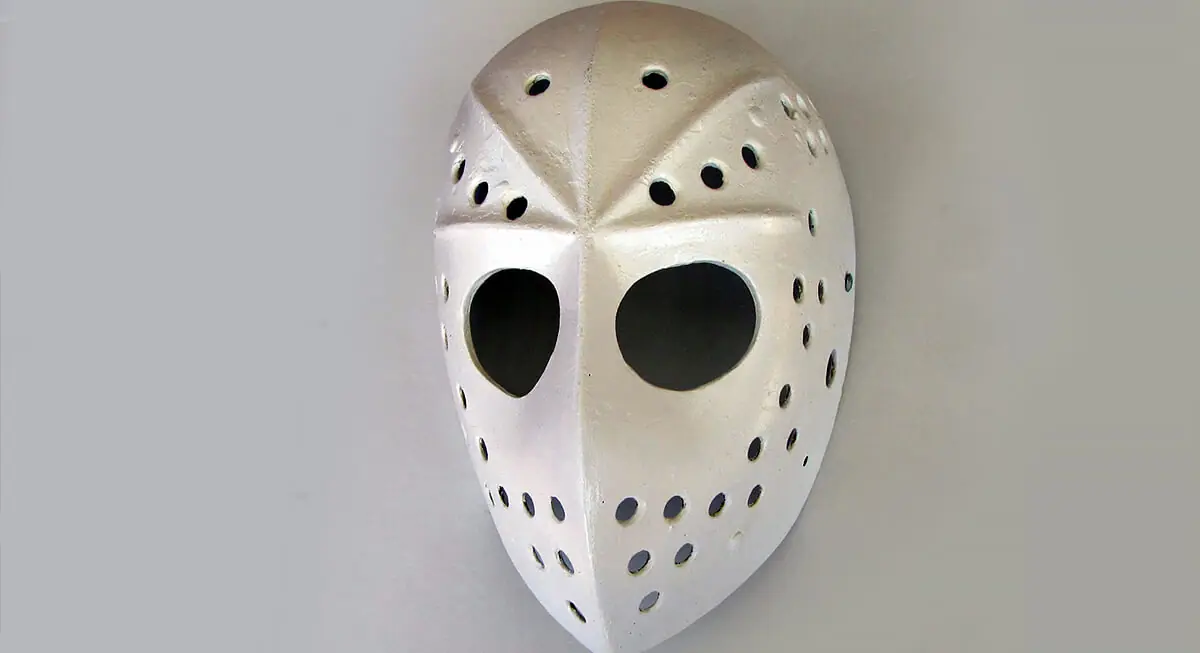
Early masks solved one problem but introduced others. Limited ventilation made games uncomfortable, and eye openings required careful shaping to maintain vision. Designers responded by refining the structure to improve airflow and using stronger materials. Engineers contributed ideas that helped disperse the impact of pucks.
The “Pretzel” Style Adds Structural Strength
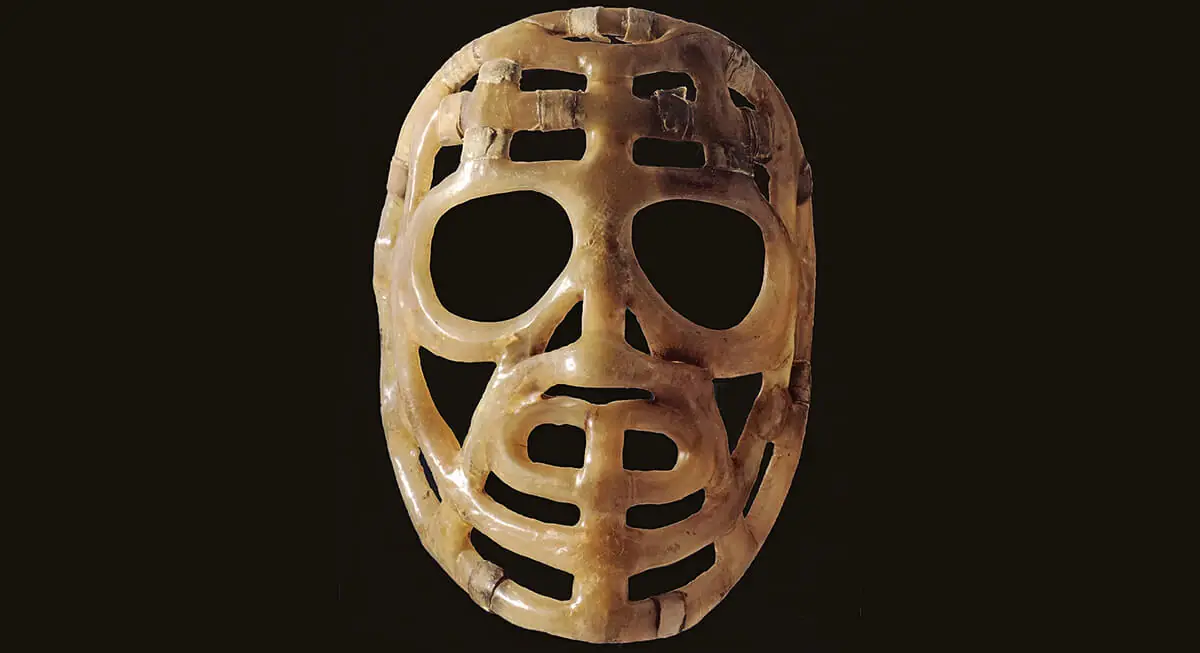
One notable shift came with masks featuring raised ridges and reinforced patterns across their surfaces. Often referred to as the “pretzel” design, this version used fiberglass yarn shaped into bars. The ridges redirected puck impact rather than absorbing it head-on. The small adjustment reduced the force reaching the goalie’s face.
Mass Production Expands Access to Masks
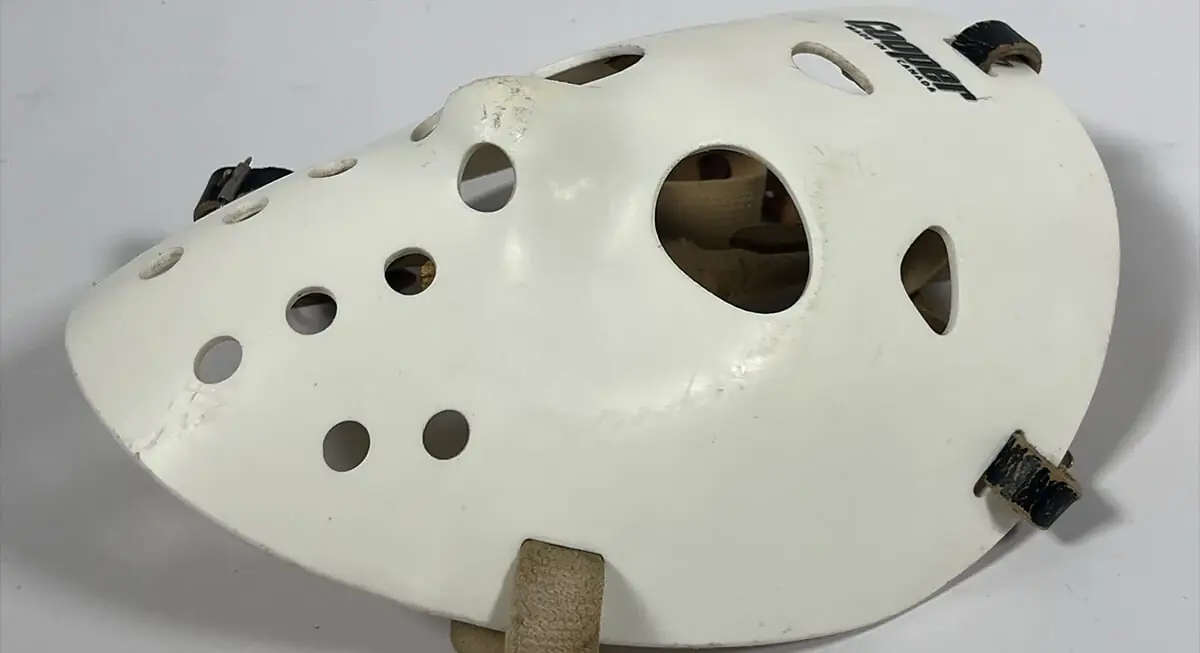
As demand increased, custom one-off masks gave way to wider production. Jacques Plante launched a company to manufacture his designs and made them available beyond professional teams. Amateur leagues began adopting similar equipment, and trainers took on the task of properly fitting masks. This helped standardize protection across levels of play.
The Arrival of the Cage and Combo Mask
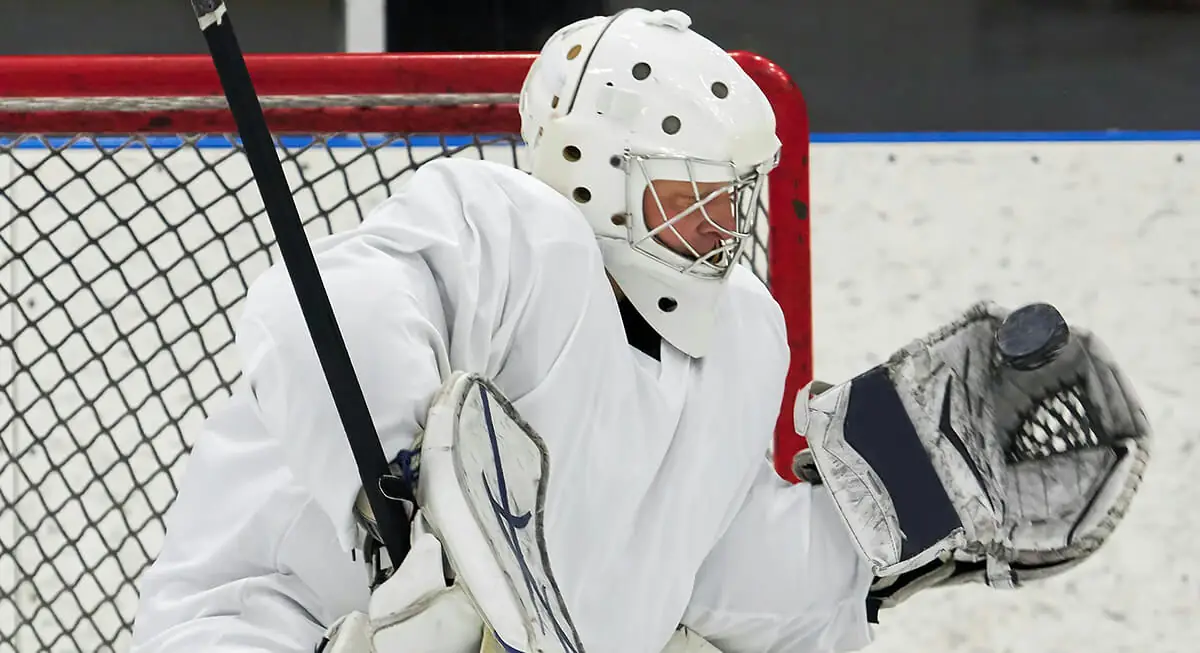
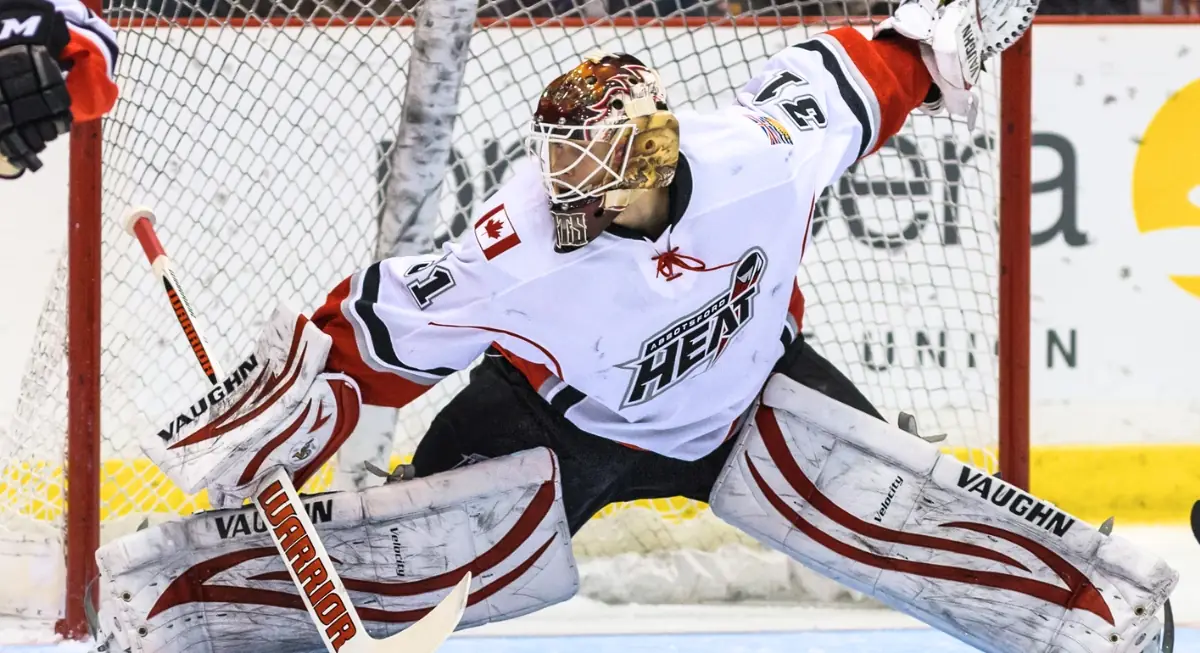
By the 1970s and 1980s, experimentation led to a new approach that combined a hard shell with a metal cage. This design improved visibility and more effectively distributed impact. The cage absorbed much of the force before it reached the mask itself. Goalies appreciated the balance between protection and sightlines.
Artwork Turns Masks Into Personal Statements
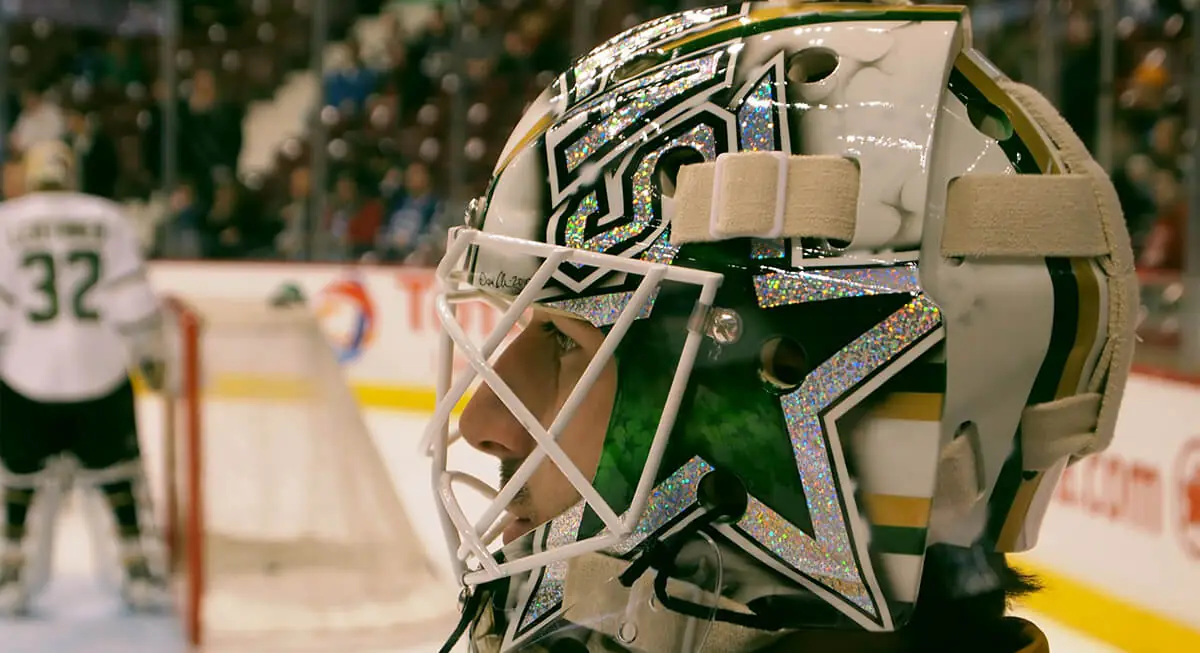
Function eventually shared space with expression. During the 1970s, goaltenders began painting their masks, adding designs that reflected personality or team identity. Gerry Cheevers famously marked his mask with painted stitches after taking hits. Others followed with bold graphics that became part of their image.
Modern Materials Push Protection Further
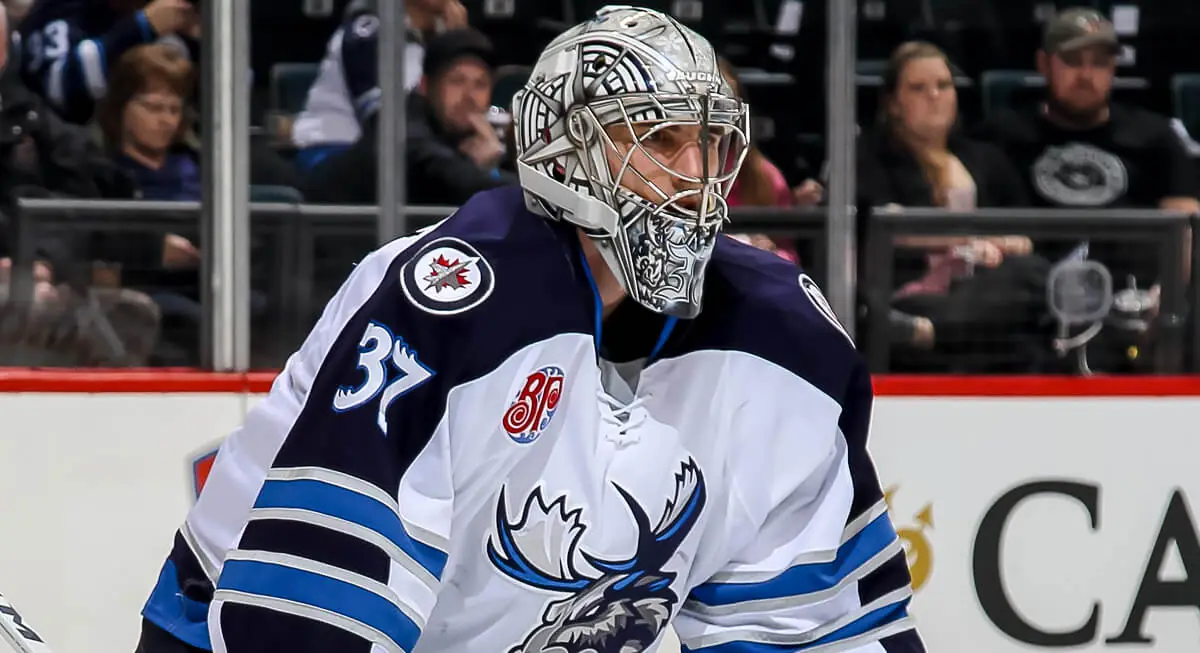
Today’s masks use advanced materials such as carbon fiber and Kevlar layered with fiberglass. These combinations provide strength without excessive weight. Interior padding has also improved, with specialized foams designed to absorb impact more efficiently. Manufacturers continue refining shapes to manage force distribution.