The 1980s produced several Olympic track and field moments that are now seen in a new light. While many were not major highlights at the time, they reflected changes in events, tactics, and athlete development that later shaped the sport. These often occurred in newly introduced events, such as the first women’s Olympic marathon, which marked a major step for distance running. Some even came from lesser-known athletes whose performances signaled emerging strengths in events like the steeplechase, where Kenyan runners would later dominate. Tactical, slower-paced championship races also pointed to a shift toward strategy-based competition.
These moments helped reveal early versions of the trends and styles that now define modern Olympic track and field.
Joan Benoit Running Alone In The First Women’s Olympic Marathon
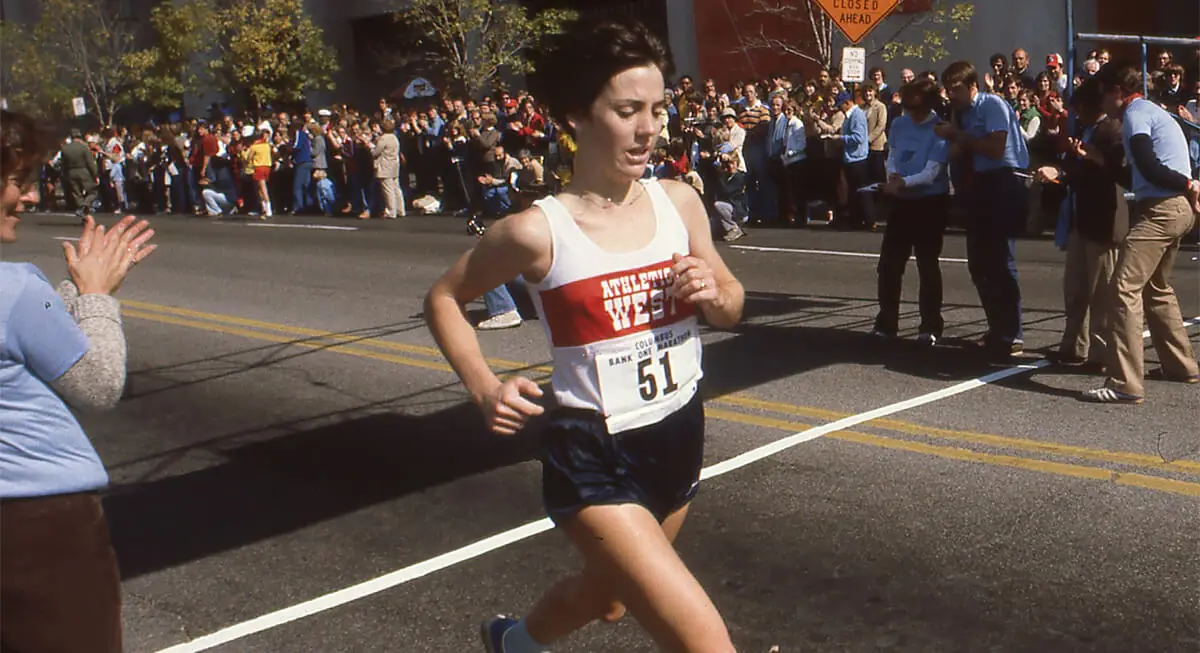
When the women’s marathon debuted at the 1984 Los Angeles Olympics, there was still debate in some circles about how women would handle the event on the sport’s biggest stage. Joan Benoit answered that question decisively. After recovering from knee surgery just weeks earlier, she surged early and built a lead that nobody could erase. Her victory helped establish the women’s marathon as a premier Olympic event. The path later followed by athletes such as Paula Radcliffe, Brigid Kosgei, Peres Jepchirchir, and Sifan Hassan became easier to imagine.
Maricica Puică Winning The First Women’s Olympic 3000 Meters
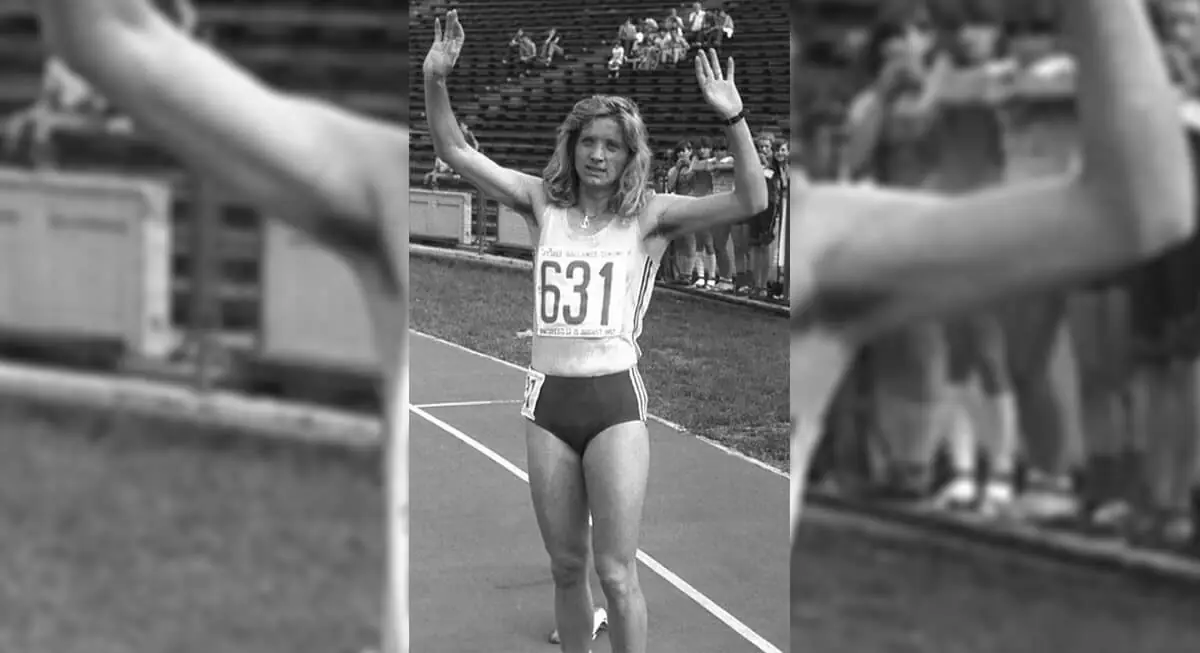
People usually remember the inaugural women’s 3000 meters at the Los Angeles Olympics for the collision between Mary Decker and Zola Budd. Lost in that discussion is the athlete who actually won the race. Romania’s Maricica Puică stayed out of trouble, handled the tactical shifts, and closed strongly to claim gold. Her performance gave way to a style of championship racing that remains common today. Modern stars like Faith Kipyegon and Gudaf Tsegay understand that major finals are rarely decided by personal-best pace alone. Positioning, patience, and awareness matter just as much. Puică’s win showed that tactical mastery could outweigh pre-race attention.
Olga Bondarenko Winning The First Women’s Olympic 10000 Meters
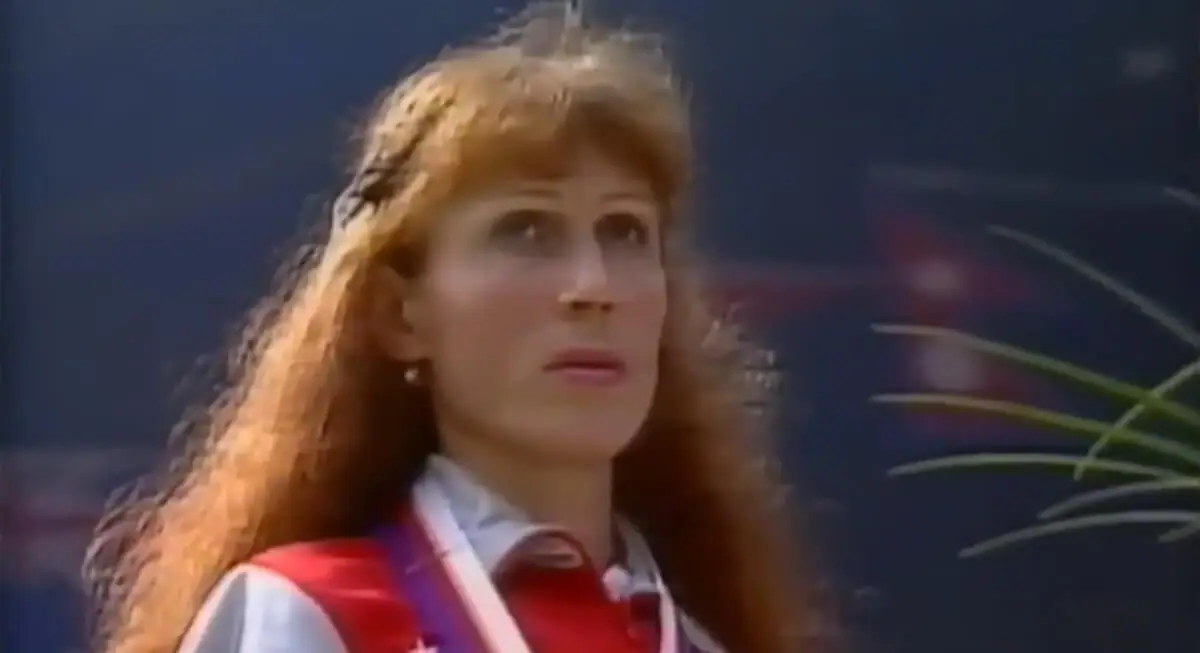
Bigger stories from other inaugural Games often overshadow the first Olympic women’s 10000 meters race. Olga Bondarenko took advantage when world-record holder Ingrid Kristiansen withdrew, and she delivered a controlled performance for gold. The significance became clearer with time. The 10000 meters eventually produced stars such as Derartu Tulu, Tirunesh Dibaba, Vivian Cheruiyot, Almaz Ayana, and Letesenbet Gidey. Bondarenko’s victory marked the beginning of that Olympic tradition and demonstrated that women’s distance running was entering a new phase of visibility and importance.
Joaquim Cruz Making The 800 Feel Global
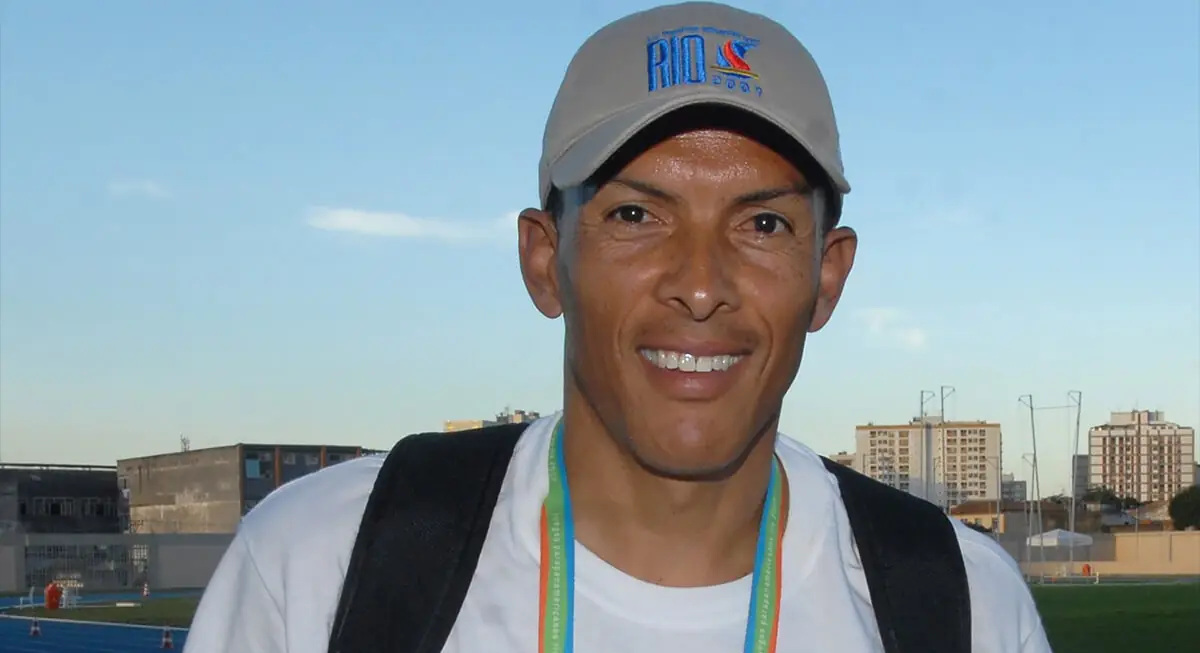
Joaquim Cruz was not a traditional athlete. His fearless running style foreshadowed athletes like David Rudisha, who preferred to control races rather than wait for a final sprint. The 1984 Olympics men’s 800 meters began with expectations that Britain’s Sebastian Coe would occupy much of the spotlight. Instead, Brazil’s Cruz delivered a remarkable victory in Olympic-record time. His success broadened perceptions of where elite middle-distance talent could emerge. In later decades, the event became increasingly international, producing champions from Kenya, Algeria, Botswana, and elsewhere.
Peter Rono Turning The 1988 1500 Into A Tactical Puzzle
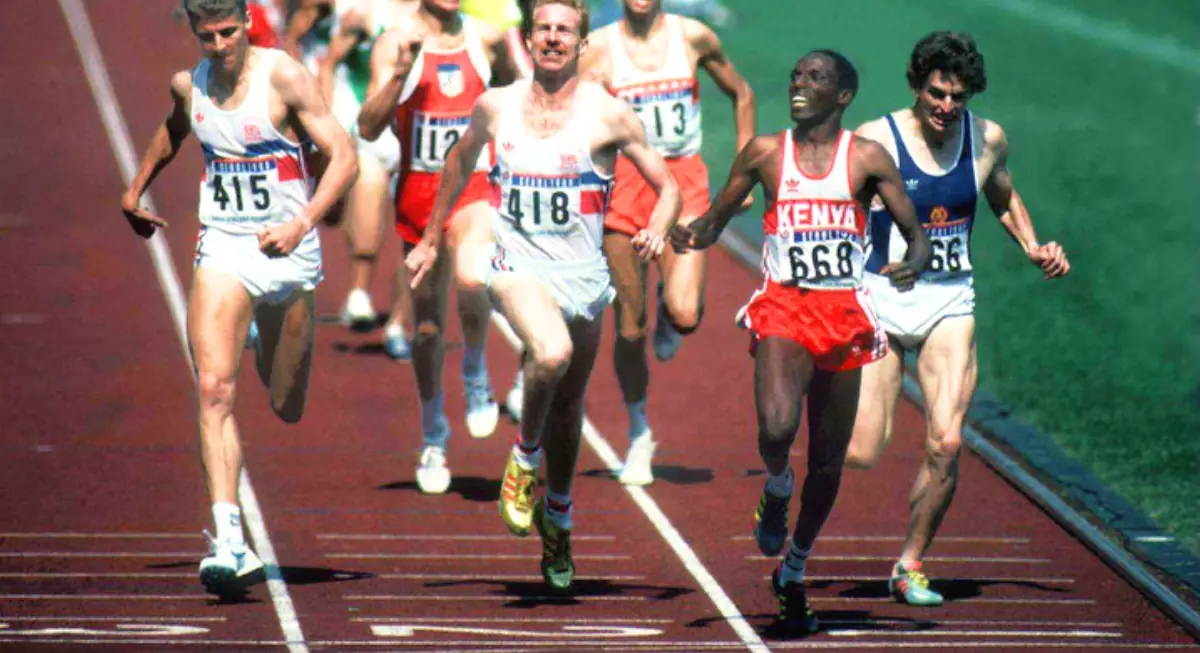
The men’s 1500 meters at the Seoul Olympics featured established names. There was Steve Cram, Steve Scott, and Peter Elliott. Yet it was Kenya’s Peter Rono who emerged with gold. His victory formula has become increasingly familiar in modern championship racing—intelligent positioning and decisive timing over overwhelming speed. Today’s stars, including Faith Kipyegon, Jakob Ingebrigtsen, Josh Kerr, and Timothy Cheruiyot, follow that early example of how a perfectly managed race can overcome stronger credentials and faster season-best times.
Miruts Yifter Turning The Final Lap Into A Weapon
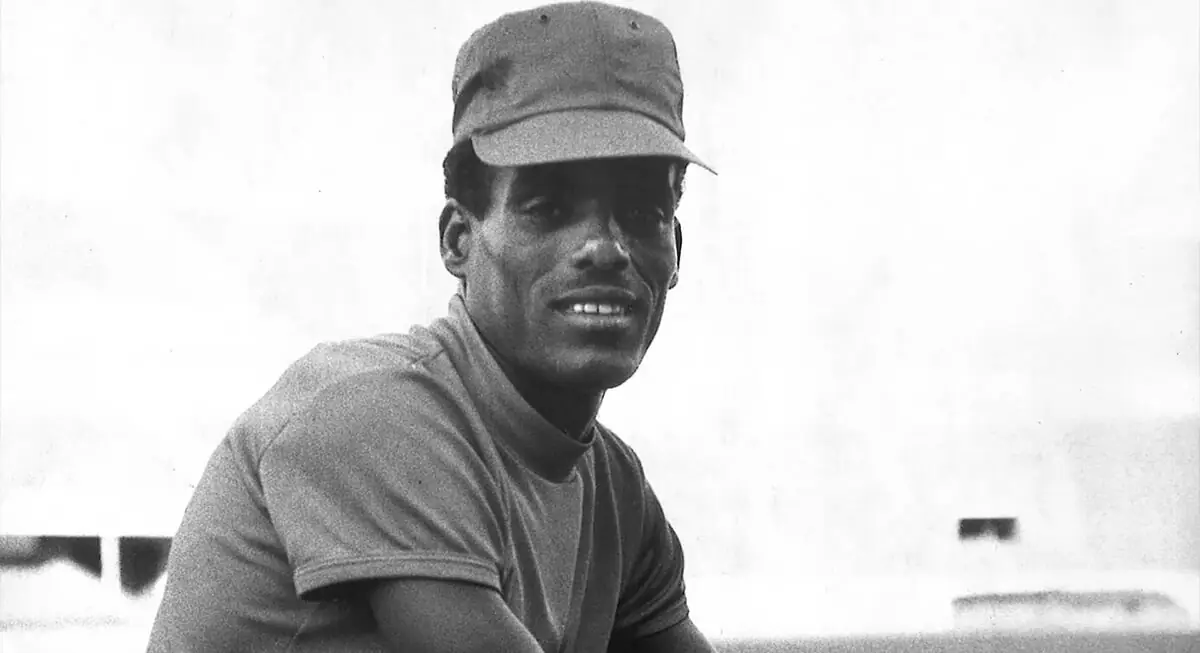
Miruts Yifter won both the 5000 and 10000 meters at the 1980 Moscow Olympics, but his enduring influence lies in how he won. Nicknamed “Yifter the Shifter,” the Ethiopian runner possessed a devastating finishing kick that repeatedly transformed races in their closing stages. His approach predicted a style that later defined numerous championship stars. Mo Farah built an Olympic career around conserving energy before unleashing speed late in races. Sifan Hassan and Selemon Barega have employed similar tactics. Yifter’s success demonstrated that distance running greatness is not solely about endurance.
Julius Kariuki And Peter Koech Signaling Kenya’s Steeplechase Future
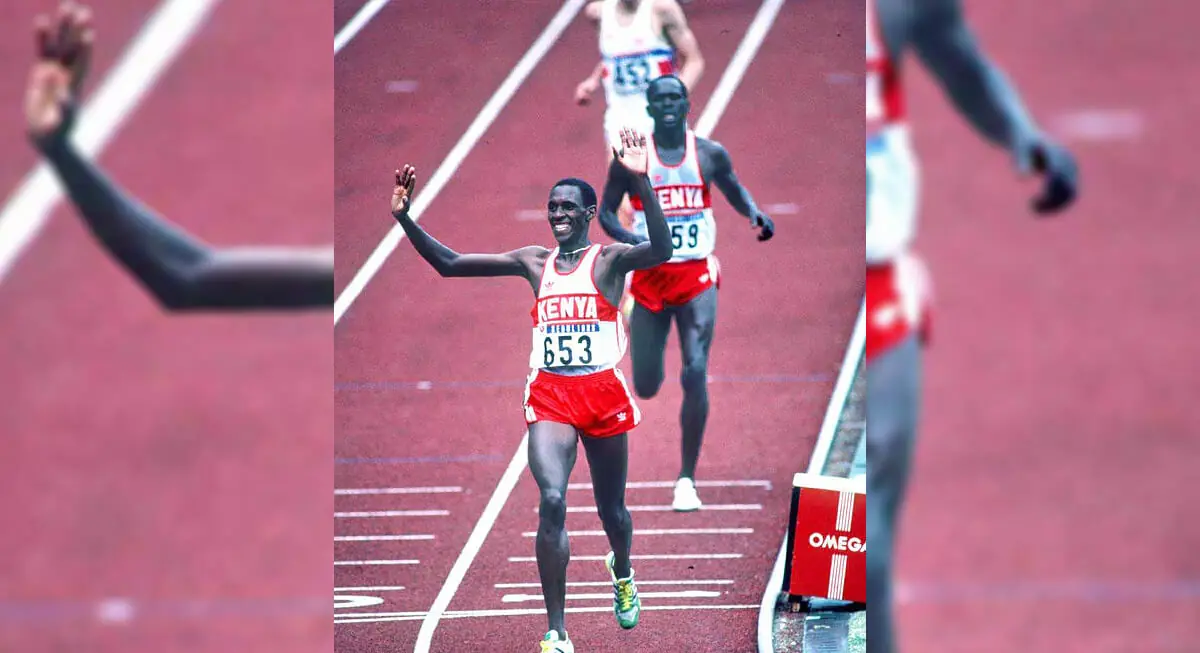
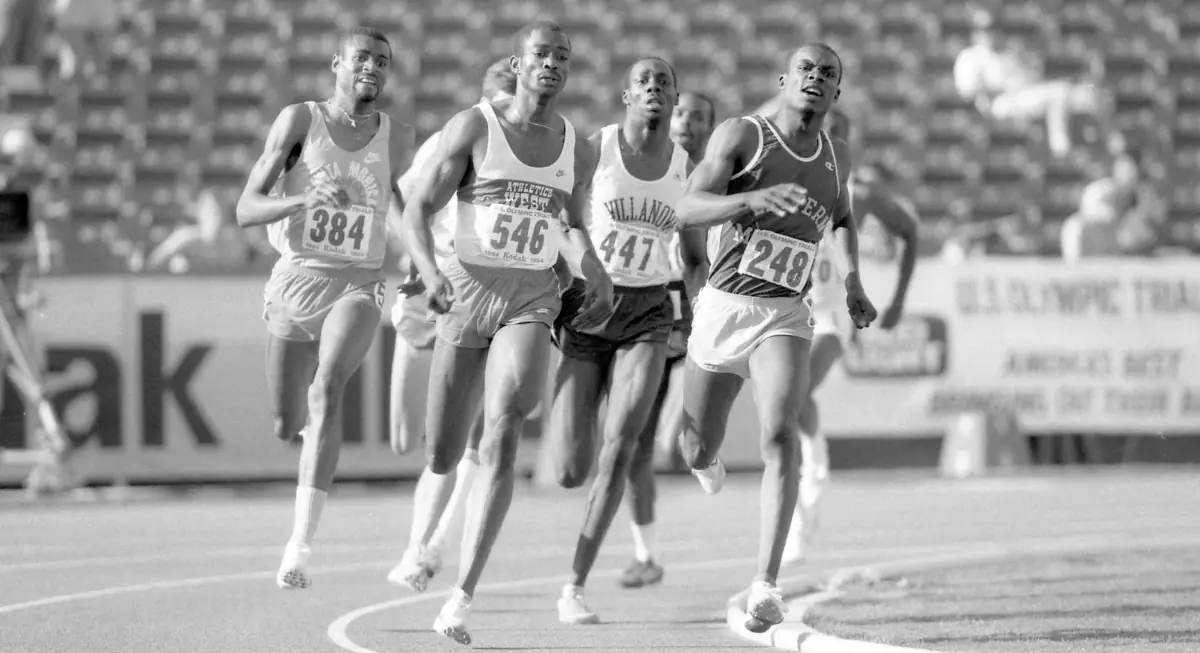
Kenya’s dominance of the men’s 3000-meter steeplechase is well established today. It’s easy to forget when the trend was still developing. At the 1988 Seoul Olympics, Julius Kariuki won gold, while fellow Kenyan Peter Koech took silver. Their performances helped reinforce Kenya’s growing reputation in the event and hinted at what would follow. Over subsequent decades, athletes such as Moses Kiptanui, Ezekiel Kemboi, Brimin Kipruto, and Conseslus Kipruto transformed the steeplechase into a Kenyan specialty.
Nawal El Moutawakel Giving The Women’s 400 Hurdles A Historic Beginning
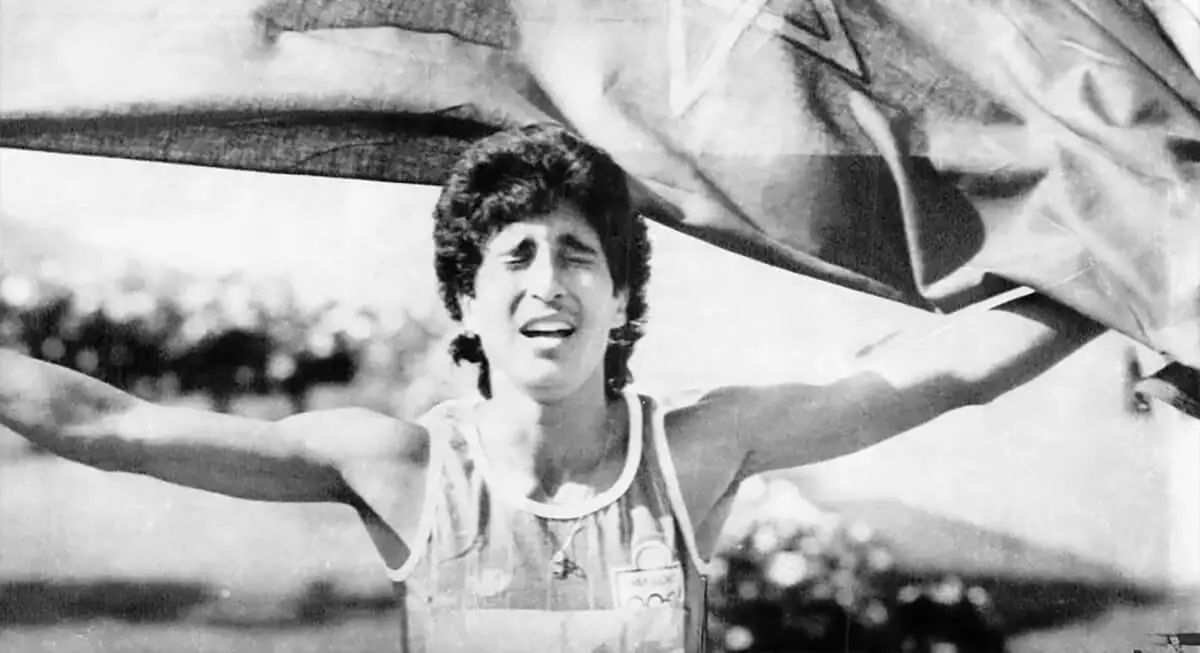
The women’s 400-meter hurdles made its Olympic debut in Los Angeles in 1984, and Morocco’s Nawal El Moutawakel became its first gold medalist. Her victory was significant beyond the result itself. The event was still establishing its place in the Olympic program, and El Moutawakel’s performance helped give it credibility. The race later evolved into one of track’s premier attractions. More recent athletes have pushed the event into a new era of record-breaking performances and global attention.
Debbie Flintoff-King Showing How Dramatic The 400 Hurdles Could Become
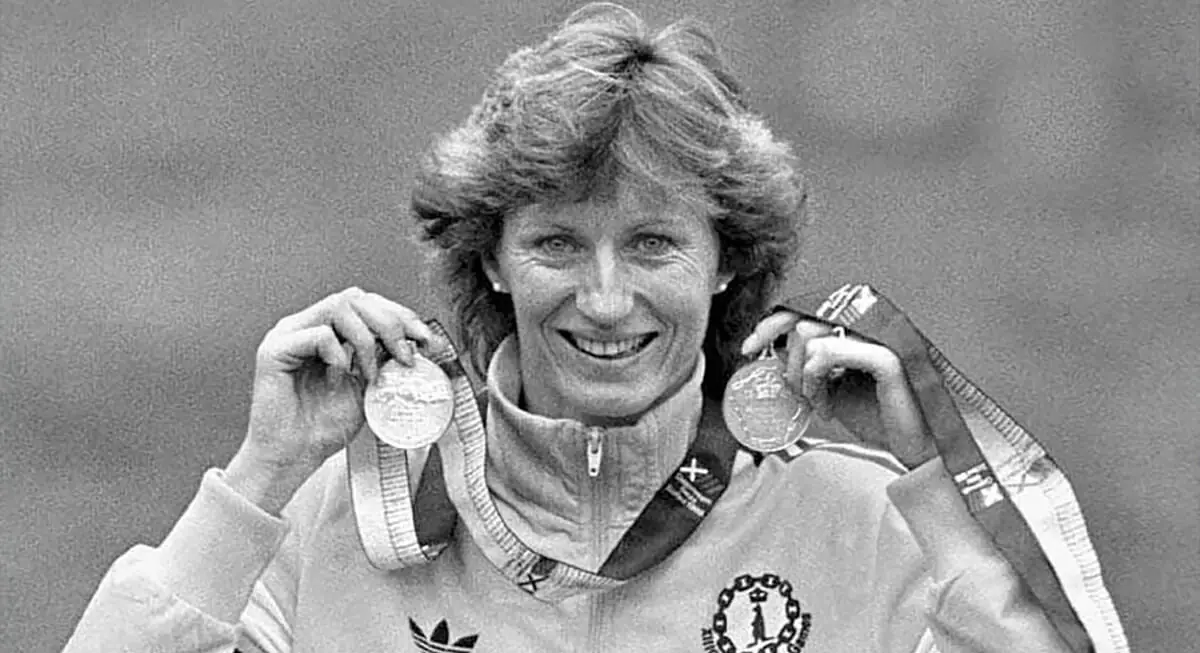
Four years after the event debuted, Debbie Flintoff-King delivered one of the closest finishes of the Seoul Olympics, winning the women’s 400-meter hurdles by fractions of a second. The race showcased everything that now makes the discipline compelling. It showed speed, technique, endurance, rhythm, and uncertainty right up to the final meters. Modern fans associate the event with thrilling battles between Sydney McLaughlin-Levrone, Dalilah Muhammad, and Femke Bol. Flintoff-King’s victory revealed those ingredients long before the event became a regular source of world records.
Valerie Brisco-Hooks Demonstrating The Power Of Sprint Versatility
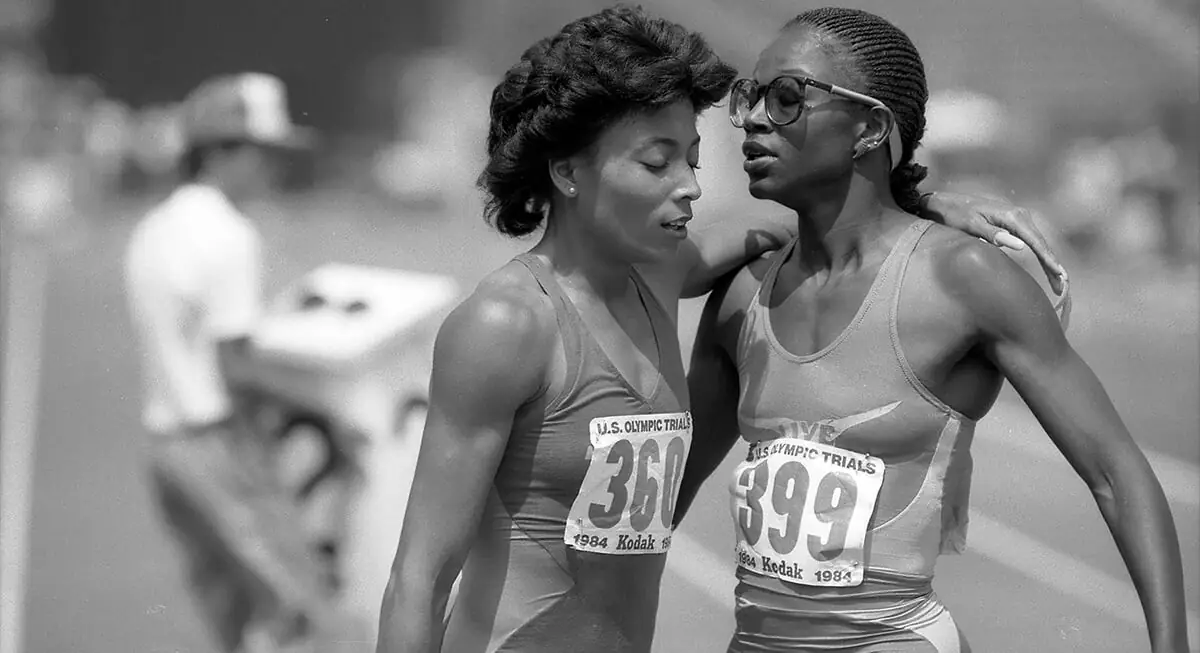
Valerie Brisco-Hooks enjoyed one of the most impressive Olympic performances of 1984, winning gold in the 200 meters, 400 meters, and 4×400 relay. Her achievements rarely receive the same attention as some of the decade’s bigger track stars. Her ability to excel across multiple sprint distances anticipated a trend that would later become increasingly celebrated. Allyson Felix built a legendary career through similar versatility, while athletes such as Shaunae Miller-Uibo thrived by bridging the gap between sprint events. It introduced an era of multiple specialization.