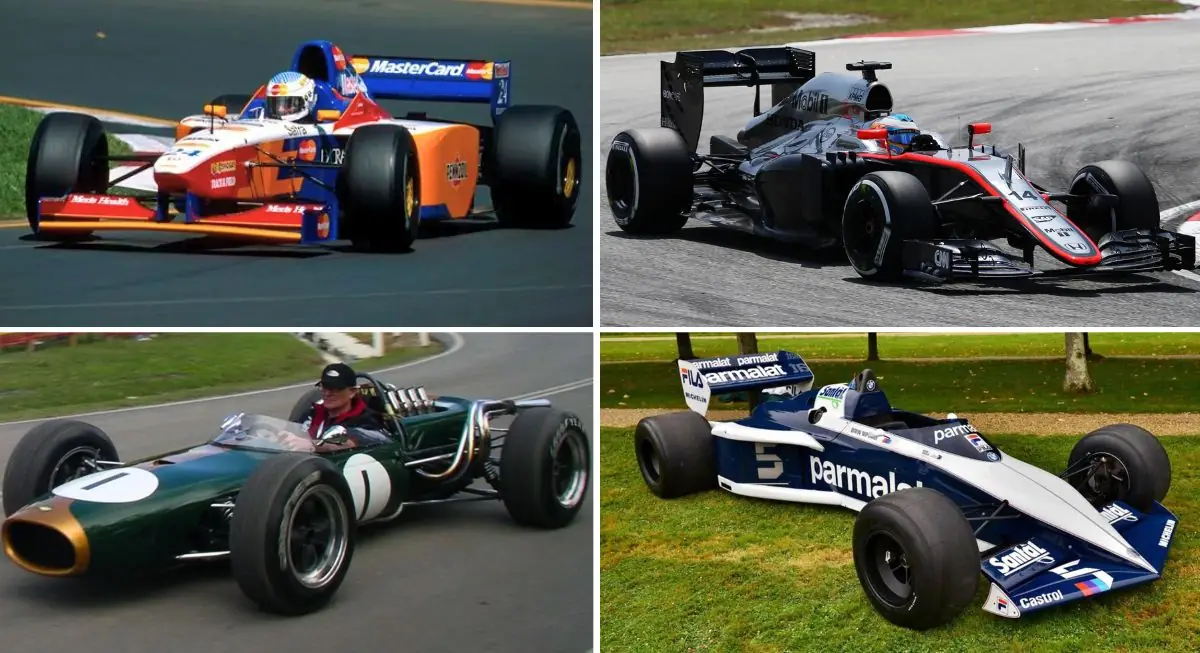
Formula 1 is known for its engineering marvels and high-speed thrills, but not every car that hits the track has been a roaring success. In fact, some have been downright disastrous. This list of vehicles that failed spectacularly proves that in the high-stakes world of Formula 1, even the best can sometimes miss the mark.
Life L190 (1990)
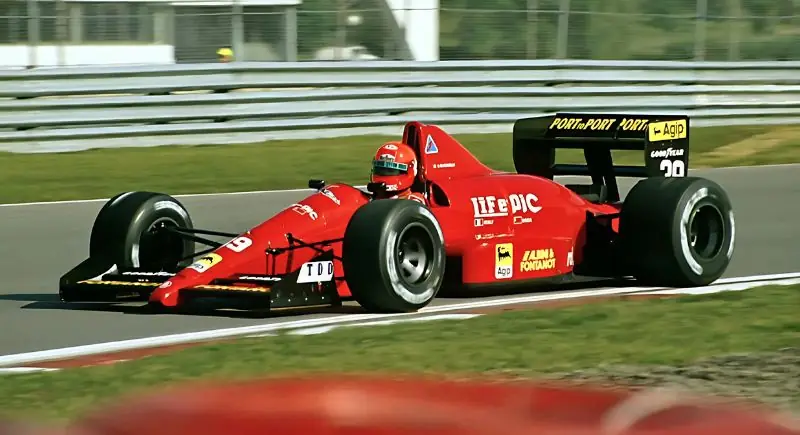
In 1990, Life Racing Engines introduced the L190, a Formula 1 car featuring an unconventional W12 engine. It was underpowered, producing only 480 horsepower and was overweight at 530 kg. Throughout the season, drivers Gary Brabham and Bruno Giacomelli failed to pre-qualify for any races, often lagging over 30 seconds behind the leaders.
Brabham BT55 (1986)
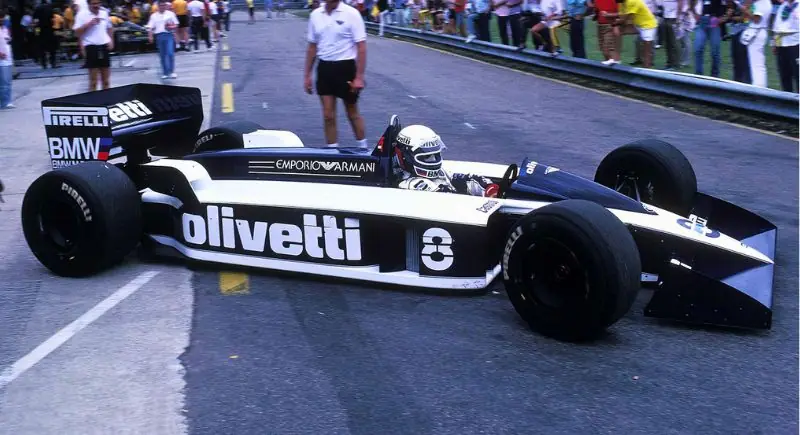
Brabham unveiled the BT55 in 1986, featuring a tilted BMW engine and a reclined driver position to enhance aerodynamics. However, the radical approach led to significant reliability issues, including oil surge problems and handling difficulties. The BT55 managed to score only two points that season.
Lola T97/30 (1997)
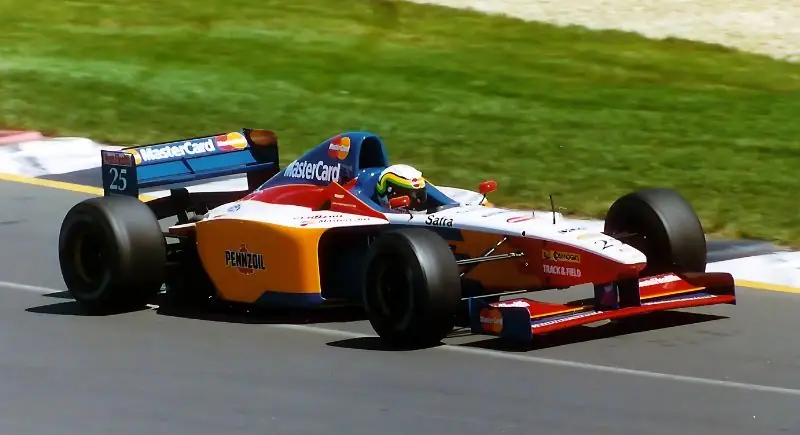
In 1997, the MasterCard Lola Formula One team ambitiously entered the F1 scene with the T97/30. The team accelerated its plans under pressure from sponsor MasterCard, leading to rushed development and a lack of testing and wind tunnel analysis. Drivers Vincenzo Sospiri and Ricardo Rosset failed to qualify for their debut during the Australian Grand Prix.
McLaren M28 (1979)
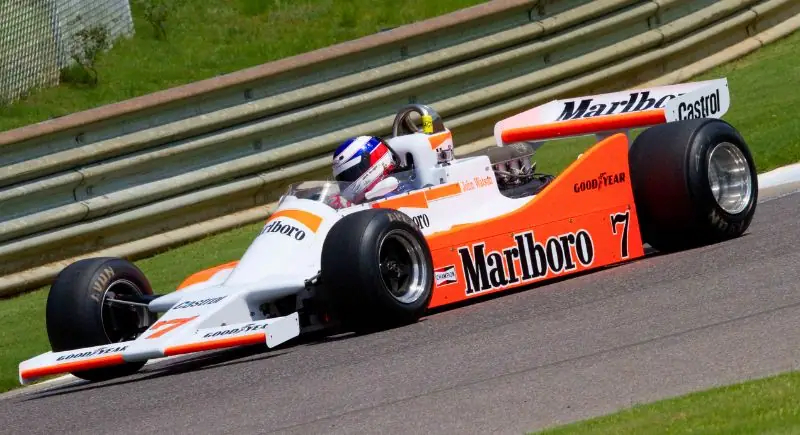
The M28 was built to replace the aging M26. Its bulky design maximized ground effect aerodynamics but suffered from poor grip and handling issues. Driver John Watson described it as “a disaster.” The car’s lackluster performance led to its replacement by the M29 later that season.
Ferrari F92A (1992)
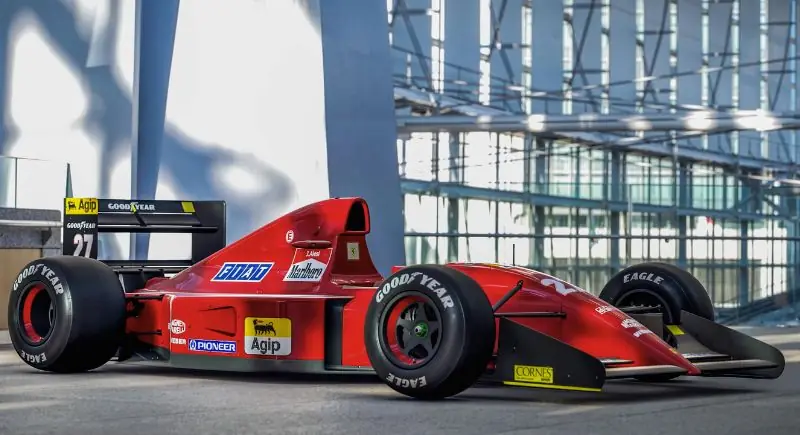
Ferrari’s F92A turned heads for its “double-flat bottom” floor intended to enhance downforce. Still, it was hampered by an underperforming V12 engine that suffered from excessive blow-by, costing the team up to 50 horsepower. It managed only two podium finishes and a total of 21 points during the season despite high expectations.
Caterham CT05 (2014)
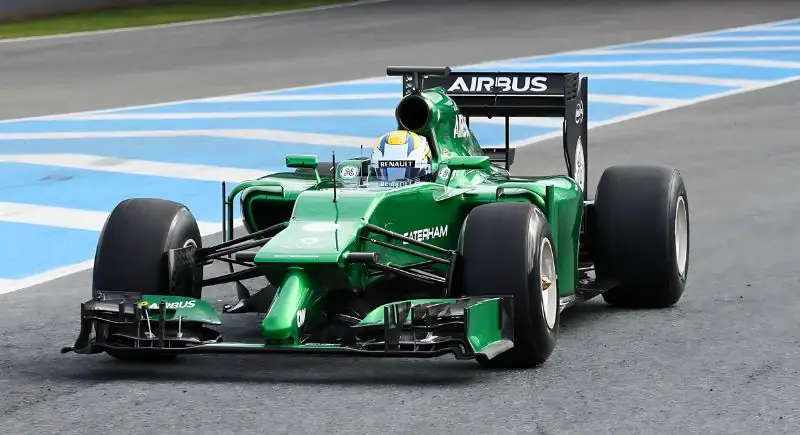
Caterham’s CT05 entered the Formula 1 scene with a distinctive “anteater” nose design that turned heads for all the wrong reasons. Its design aimed to tackle the new hybrid turbo era but struggled with performance and reliability. Drivers Kamui Kobayashi and Marcus Ericsson often found themselves at the back of the pack, with the team’s best finish being 11th place at the Monaco Grand Prix.
McLaren-Honda MP4/30 (2015)
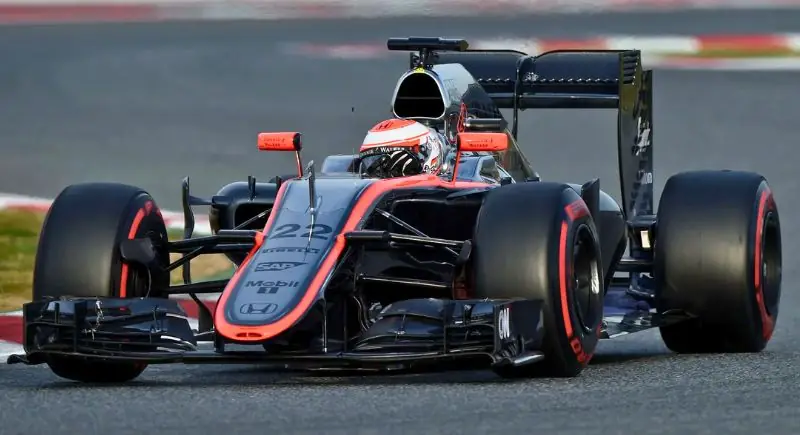
McLaren reunited with Honda in 2015, as they produced the MP4-30, a “size zero” Formula 1 car designed for aerodynamic efficiency. Despite high expectations, the season turned into a nightmare. The Honda RA615H engine was underpowered and unreliable, leading to frequent retirements.
Lotus 43 (1966)
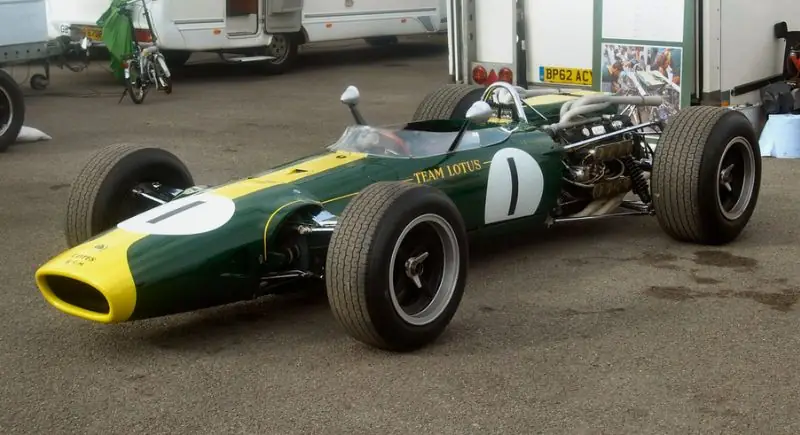
Lotus 43 came with the BRM P75 H16 engine, an ambitious but problematic power unit that combined two flat-eight engines stacked atop each other. Its only victory came at the United States Grand Prix at Watkins Glen, where Jim Clark managed to outpace the competition. Despite this win, the car’s heavy and unreliable engine led to its limited success.
Ferrari 625 (1954)
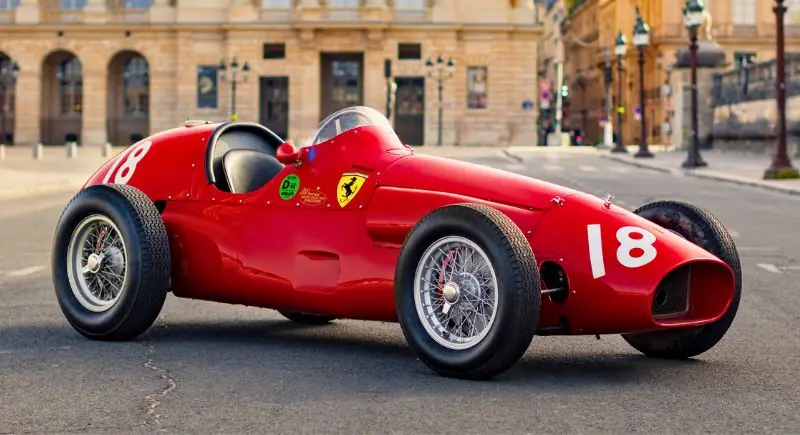
Ferrari’s 625 came with a promising design, a 2.5-liter inline-four engine producing around 210 horsepower. Despite this, it struggled against competitors like the Mercedes-Benz W196 and Maserati 250F. Notably, Maurice Trintignant secured a victory at the Buenos Aires Grand Prix in 1954, but overall, the car’s performance was underwhelming.
Spyker F8-VII (2007)
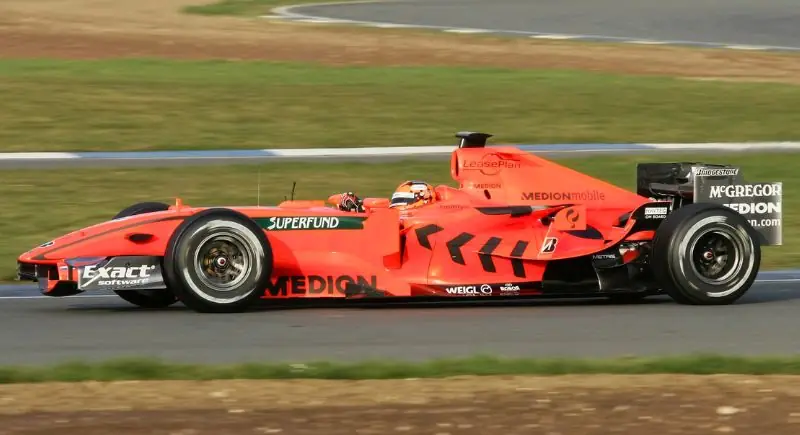
In 2007, Spyker F1 Team introduced the F8-VII, their sole Formula 1 car, powered by a Ferrari V8 engine. Despite high hopes, the car struggled with performance, securing only a single point that season. A memorable highlight occurred at the European Grand Prix, where rookie Markus Winkelhock led the race for seven laps under chaotic weather conditions before retiring.
Jaguar R3 (2002)
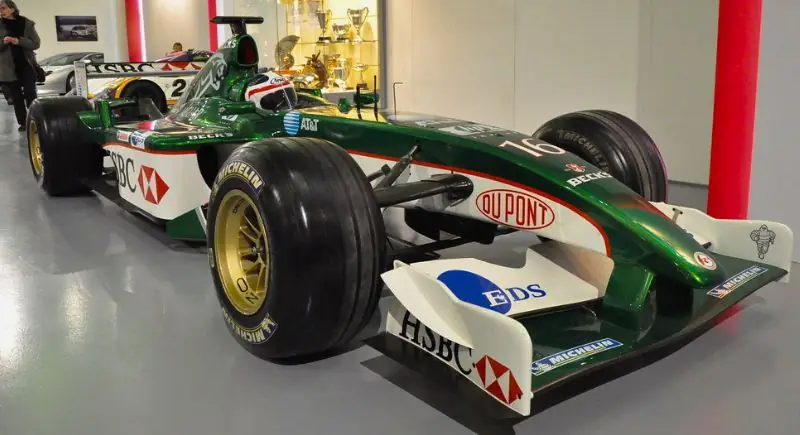
R3 was designed by John Russell and Mark Handford, powered by a Cosworth CR-3 V10 engine. Despite high expectations, the R3 struggled with aerodynamic issues, leading to underwhelming performance throughout the season. Eddie Irvine secured a third-place podium at the Italian Grand Prix in Monza, marking the team’s best result.
Aston Martin DBR5 (1960)
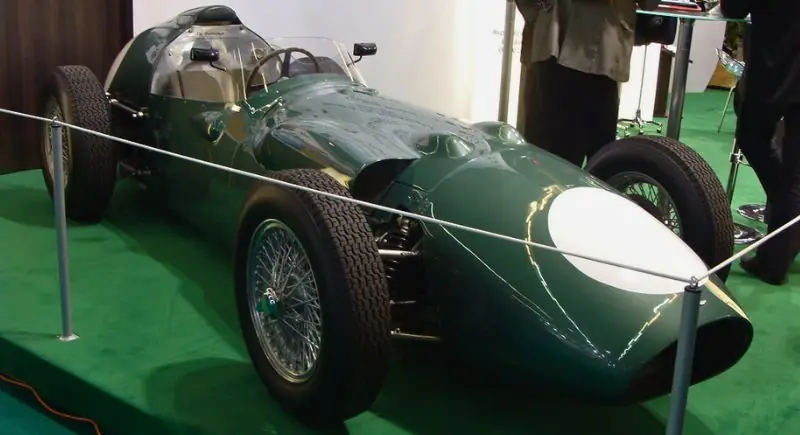
Aston Martin’s DBR5 was a lighter, more compact evolution of the DBR4, featuring an all-independent suspension and a front-mounted 2.5-liter straight-six engine. The DBR5 still struggled against the emerging rear-engined competitors, even with the enhancements. Its only appearance at the British Grand Prix saw Maurice Trintignant finish 11th, five laps behind the leader.
Alfa Romeo 185T (1985)
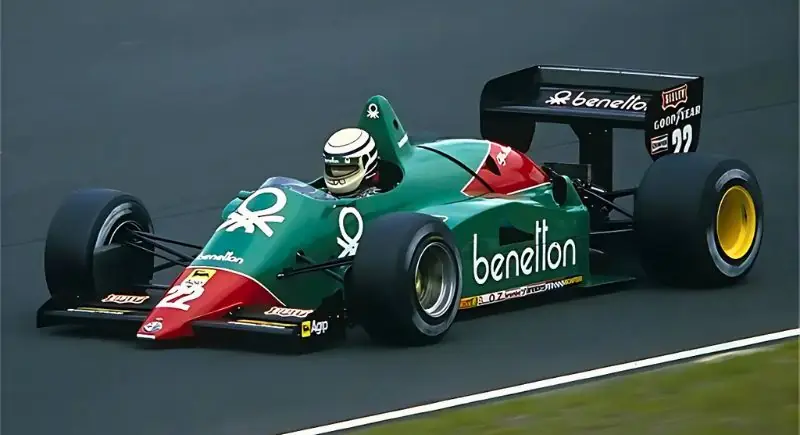
The 185T’s 1.5-liter V8 engine, producing around 780 horsepower, wowed many, but reliability issues and a lack of competitiveness plagued it. Drivers Riccardo Patrese and Eddie Cheever failed to score any championship points, leading the team to revert to the previous year’s car mid-season. Patrese later described the 185T as “the worst car I ever drove.”
Honda RA107 (2007)
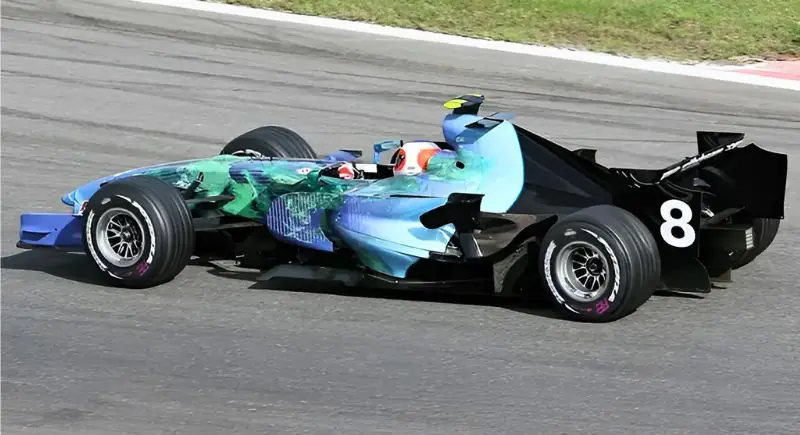
Shuhei Nakamoto was the brains behind Honda RA107, a car that featured a unique “Earth Car” livery depicting the planet Earth against the blackness of space, aiming to promote environmental awareness. Sure, it had noble intentions, but it fell short on the track, with drivers Jenson Button and Rubens Barrichello often finishing outside the points.
Toyota TF109 (2009)
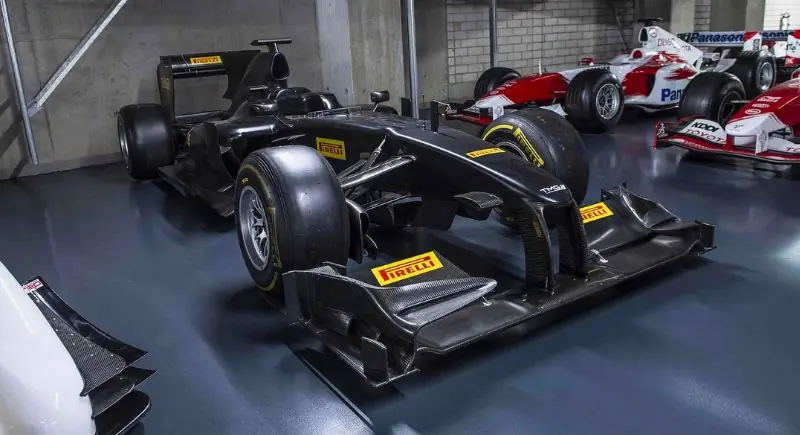
Toyota had creative minds on its team, producing the TF109 with a 2.4-liter V8 engine, producing over 700 horsepower at 18,000 rpm. The car’s livery came with bold red brushstrokes inspired by Japanese brush pen drawings, symbolizing strength and unity. Its performance became inconsistent, leading to Toyota’s withdrawal from Formula 1 at the end of the season.
Forti FG01 (1995)
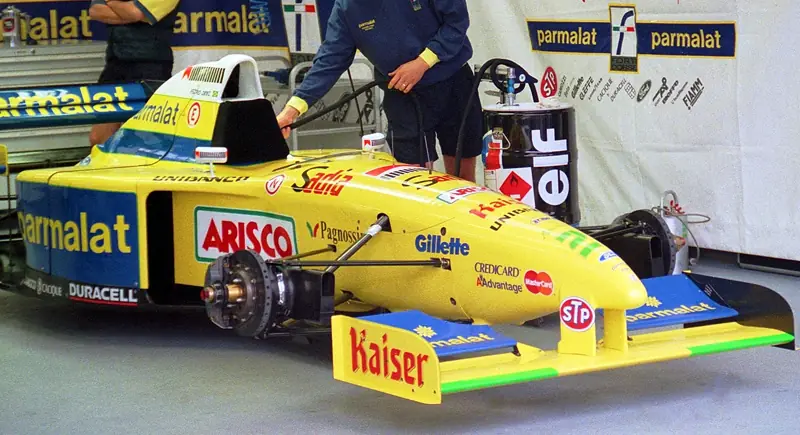
Forti entered Formula 1 in 1995 with the FG01, a heavy and outdated car derived from old Fondmetal designs. Lacking power, funding, and development, it was consistently uncompetitive. Drivers routinely qualified far off the pace, and the team struggled just to survive its debut season.
March 2-4-0 (1977)
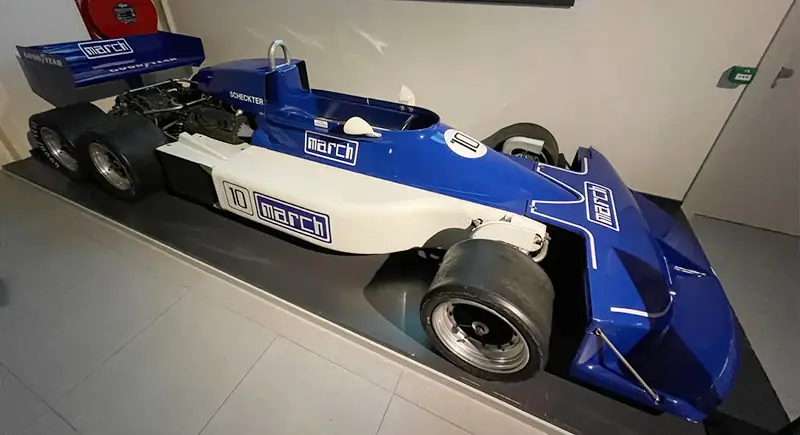
March stunned the paddock in 1977 by unveiling the six-wheeled 2-4-0. It featured four driven rear wheels. The concept aimed to improve traction but introduced complexity and weight. Testing showed no real advantage, and the car never raced competitively, becoming a famous experimental dead end.