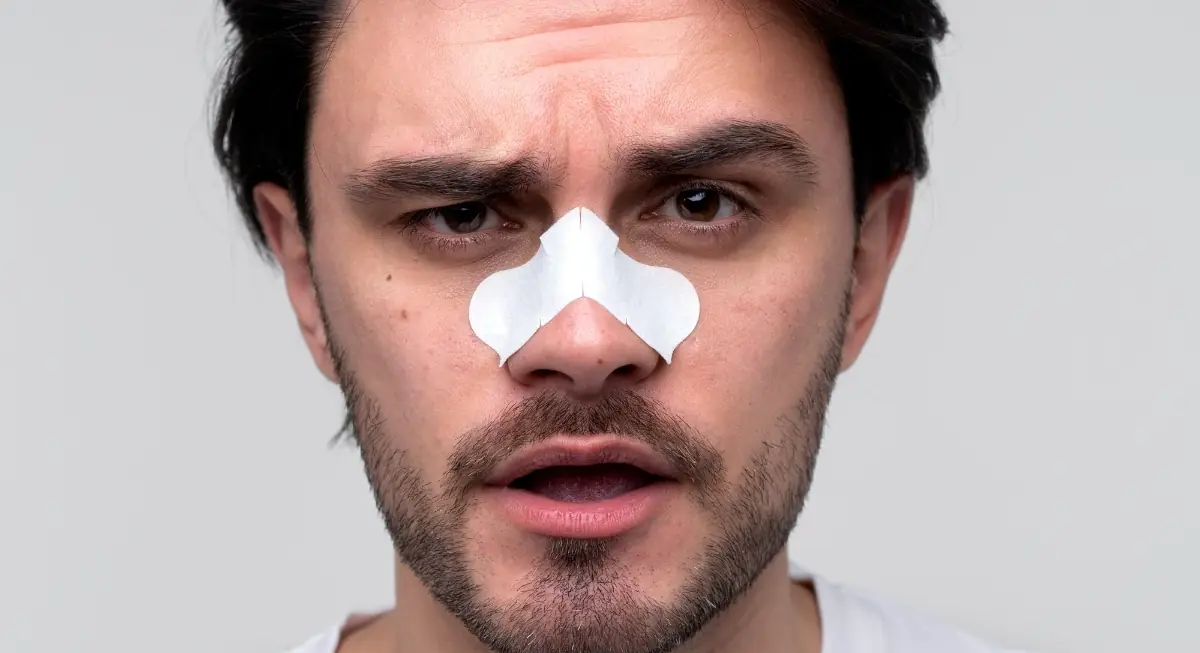
Athletes will do almost anything to get an edge—legally, of course. Doping’s off-limits (and a career killer), but the number of wild, oddly specific performance tricks out there makes it clear hacks are part of the game. Beet juice, altitude tents, oxygen masks, weighted blankets; if it sounds like something a superhero might train with, someone in spandex has probably tried it. Then there’s the nasal strip—that tiny band stuck across the nose has shown up on tennis courts, marathon routes, football fields, and even horse tracks. It promises better breathing. The question is, does it actually deliver?
Athletes continue to strap these things on with hope. They’re cheap, easy to find, and you don’t need a prescription. The idea is that lifting the nostrils opens the airways and lets oxygen in. Some say it helps them recover faster between sprints and keeps the lungs calm during long races. But sports medicine researchers are not as easily convinced. Most of them want data, not feelings.
The real story behind the nasal strip is about belief, placebo, and the surprising ways the brain and body compete for control.

What Athletes Say on the Track and Field
Even with mixed results, athletes report using nasal strips during competitions. At this year’s French Open, Casper Ruud and Nicolás Jarry wore nasal strips during intense matches. Some said post‑match interviews made them sound convinced that the recovery between points felt smoother. Endurance runners share similar feedback after long training sessions. A few report easier breathing when running through pollen or at high altitudes. Some football players use strips during games, saying they want every bit of airflow available when sprinting.
These stories are part of why the strips remain popular. Psychology shapes performance, and if a runner feels less restricted, that confidence sometimes manifests as improved pacing. Coaches often remind their athletes to test gear during practice before race day. Many runners follow a routine. They clean the nose bridge with an alcohol wipe, position the strip carefully, and press for half a minute to keep it in place. A secure fit matters because sweat and movement loosen adhesives. Long events demand durability, and some athletes switch brands until they find one that stays on.
Science and Everyday Use
Research shows nasal strips do widen the nasal valve, but they do not change how much oxygen reaches the lungs during high‑intensity efforts. At maximum effort, the mouth takes over as the main airway. That explains why these strips show minimal effect on hard sprints or cycling climbs. Distance runners sometimes notice better breathing early in a race when the effort is moderate and nasal airflow plays a bigger role. Swimmers usually skip them, but some use strips during warm‑ups out of the water.
One interesting note from the data is how structural issues affect results. Athletes with deviated septums or narrow nasal passages describe a noticeable difference when wearing strips. For them, the strips act as a support that keeps airflow steady. Some medical experts acknowledge these unique cases. Still, for the average athlete without those conditions, the measurable performance boost does not show up in testing.
Placebo or Secret Weapon?
Belief in a product shapes behavior. History shows that mental comfort can influence results even when physical changes are small. NFL legend Jerry Rice wore nasal strips and credited them for helping him through demanding games. With that kind of endorsement, others are inspired to try them. In sports, routines often build confidence. Nasal strips fit into that mental preparation.
Companies now design strips with stronger adhesives and reusable options like magnetic clasps, so practical use has also evolved. Some runners prefer tan‑colored strips because they handle sweat better. Proper application is simple: start with a clean, dry nose, position the strip across the bridge, press firmly, and hold briefly. Runners often test them during training to avoid surprises on race day. Athletes competing in hot weather often carry a spare in case the first loosens.
What Experts See Ahead
Sports medicine specialists continue to monitor how athletes use these strips. The science does not show a direct link to improved metrics, but the comfort factor keeps them relevant. At least they are low risk because they are non‑invasive, affordable, and easy to apply. Experts often say that if an athlete feels more confident wearing one and it does not interfere with breathing, then the choice is personal.
For now, the most consistent takeaway from research and athlete feedback is that these strips change how breathing feels, but not how the body performs, theoretically.