
The history of chess is filled with prodigies who seemed destined for greatness before they became adults. Interestingly, elite chess players spend thousands of hours training before they reach their teens. By that standard, even picking up the game at 14, 16, or 18 can be considered late.
However, by focusing only on early starters, you miss players who arrived later and still changed the game. They didn’t get an early childhood start, but their careers nonetheless developed through persistence, study, and competitive ambition.
Wilhelm Steinitz
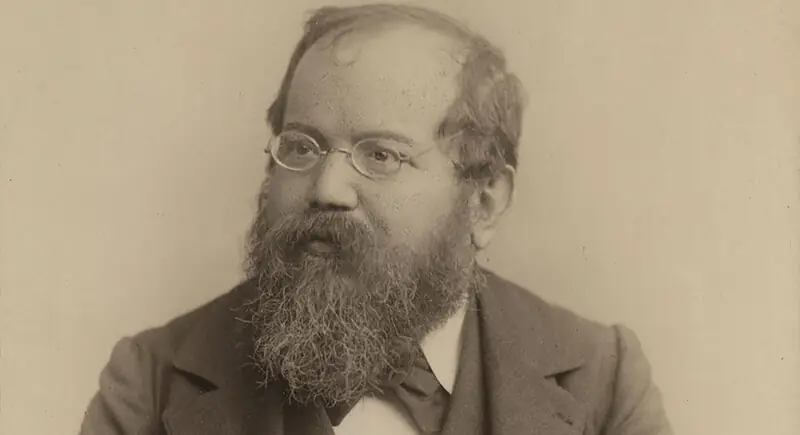
Growing up in poverty did not prevent Wilhelm Steinitz from reshaping the game of competitive chess. He encountered the game at 12 and pursued it seriously in his 20s. In 1886, he claimed the first official World Chess Championship at age 50. He remained unbeaten in match play for 32 years.
Mikhail Chigorin
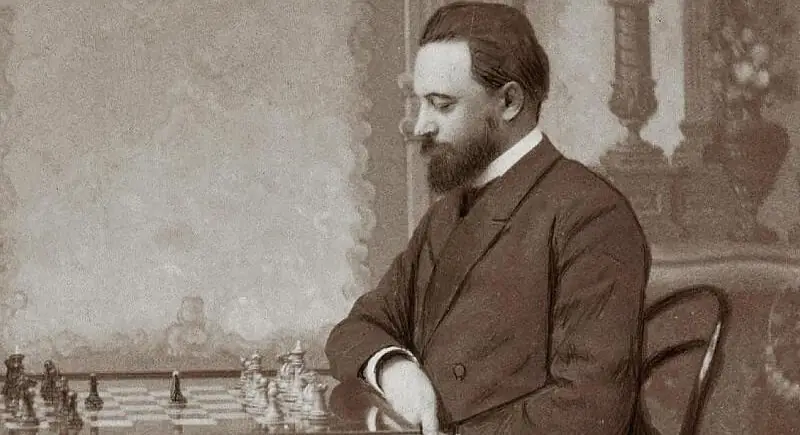
Soviet trainers developed a structured chess system that produced multiple 20th-century world champions, and they often cited Mikhail Chigorin as an early influence. He grasped the basics when he was 16 and committed seriously at 24 after finishing school and working as a government officer. Two World Championship matches followed in 1889 and 1892.
Joseph Henry Blackburne
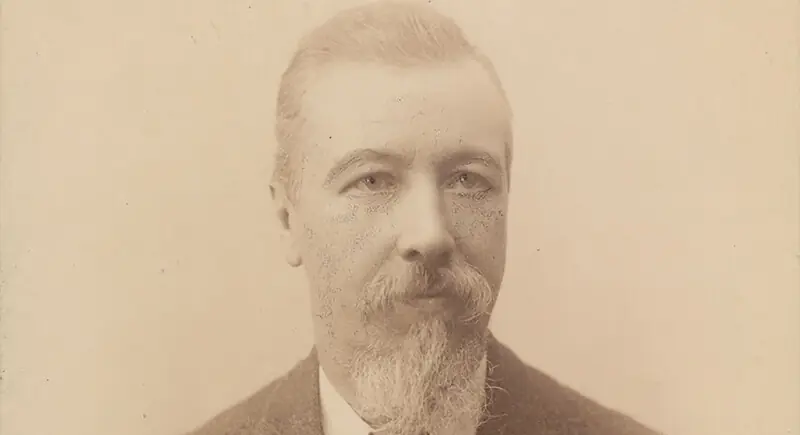
A teenage fascination with Paul Morphy’s exploits pushed Joseph Henry Blackburne toward chess when he was 17. Within three years, he competed in the 1862 London tournament and defeated Steinitz in a sharp French Defense. By 1873, he shared first place in a major tournament and earned the nickname “The Black Death.”
Akiba Rubinstein
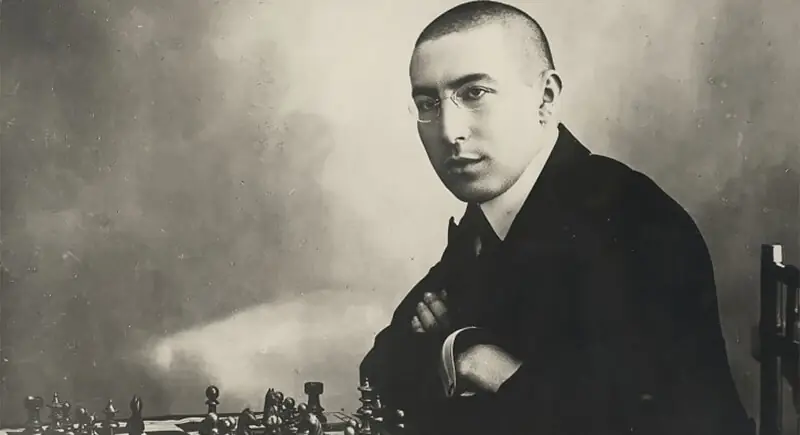
Tournament records from 1907 to 1912 show how far Akiba Rubinstein advanced after learning chess at 14. He captured five major first-place finishes, which led many contemporaries to believe he surpassed reigning champion Emanuel Lasker during that stretch. Analysts still study his rook endgames for technical clarity.
Harry Nelson Pillsbury
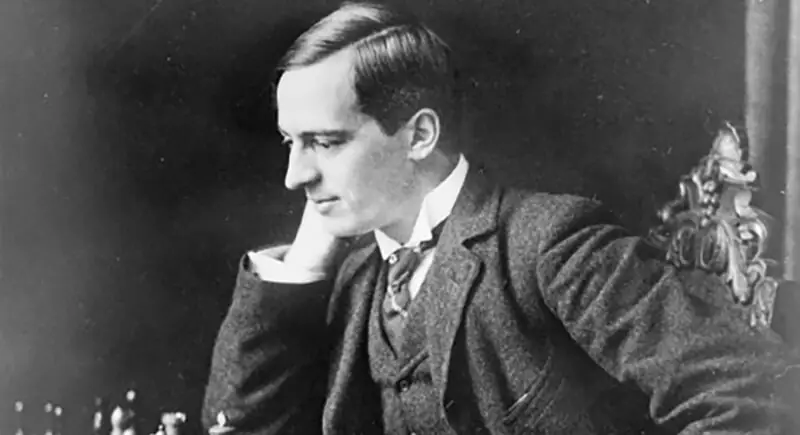
Harry Nelson Pillsbury’s career advanced quickly after he discovered chess at the age of 16. Two years later, he defeated Henry Nathan Stone in a formal match. His breakthrough came at Hastings 1895, where he scored 16.5 out of 21 against the strongest masters alive. He defeated Emanuel Lasker, Wilhelm Steinitz, and Siegbert Tarrasch in one tournament.
Evgeni Vasiukov
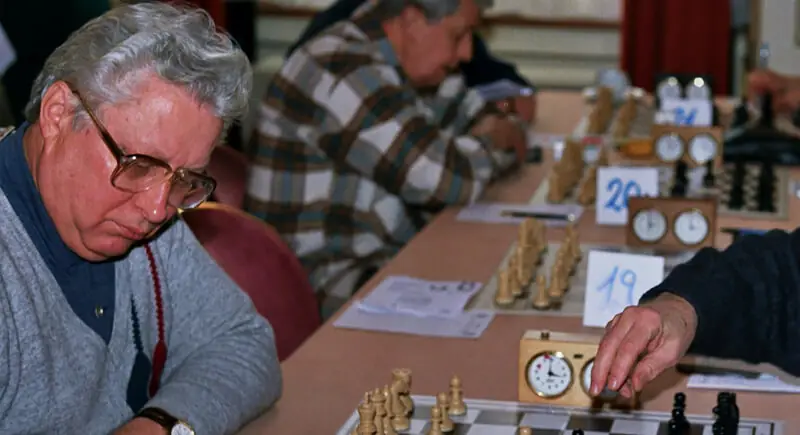
By relying on 1.e4 and sharp attacking systems, Evgeni Vasiukov developed a reputation for direct and uncompromising play. He learned the moves as a teen and captured the Moscow City Championship seven years later. He went on to win that title six times overall. Peak rankings placed him eleventh in the world with a rating of 2580.
Yasser Seirawan
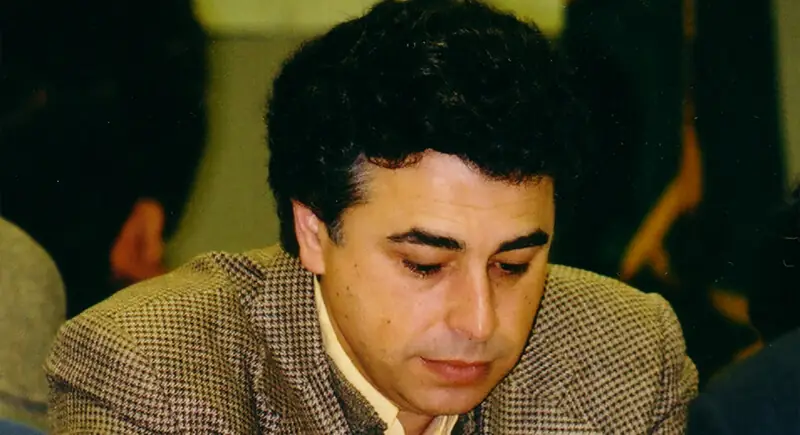
It was not surprising that heavy summer storms in Seattle kept many kids indoors during 1972, and that forced Yasser Seirawan, who was 12 at the time, to look for something engaging to pass the time. It was then that an upstairs neighbor introduced him to chess. He then won four United States Championship titles and reached a world ranking of 10, with a peak rating of 2658.
Mikhail Botvinnik

At the age of 12, Mikhail Botvinnik built a system that combined physical conditioning, opening research, and relentless self-analysis. He took up the game using a homemade set and applied that disciplined routine to every stage of his growth. The method carried him to the World Championship in 1948.
Ye Jiangchuan
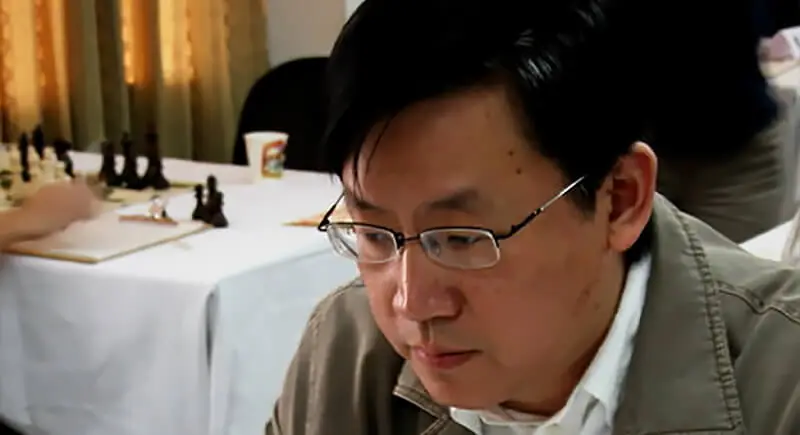
Historical benchmarks highlight Ye Jiangchuan’s significance in Chinese chess development. He started playing chess at 17, and FIDE awarded him the title of grandmaster in 1993. Seven years later, he became the first Chinese player to surpass 2600 Elo. Ye also served as the chief coach of China’s national teams and earned the FIDE Senior Trainer title in 2005.
Rani Hamid

National records define Rani Hamid’s standing in Bangladeshi chess. She started much later than everyone on this list, at age 34. Her achievements include 20 national women’s championship prizes and three British Women’s Championship victories. She went on to become the first Bangladeshi woman to earn the International Master title. Today, Hamid builds games around stable positions and calculated tactics, and continues to appear in tournaments decades after her debut.