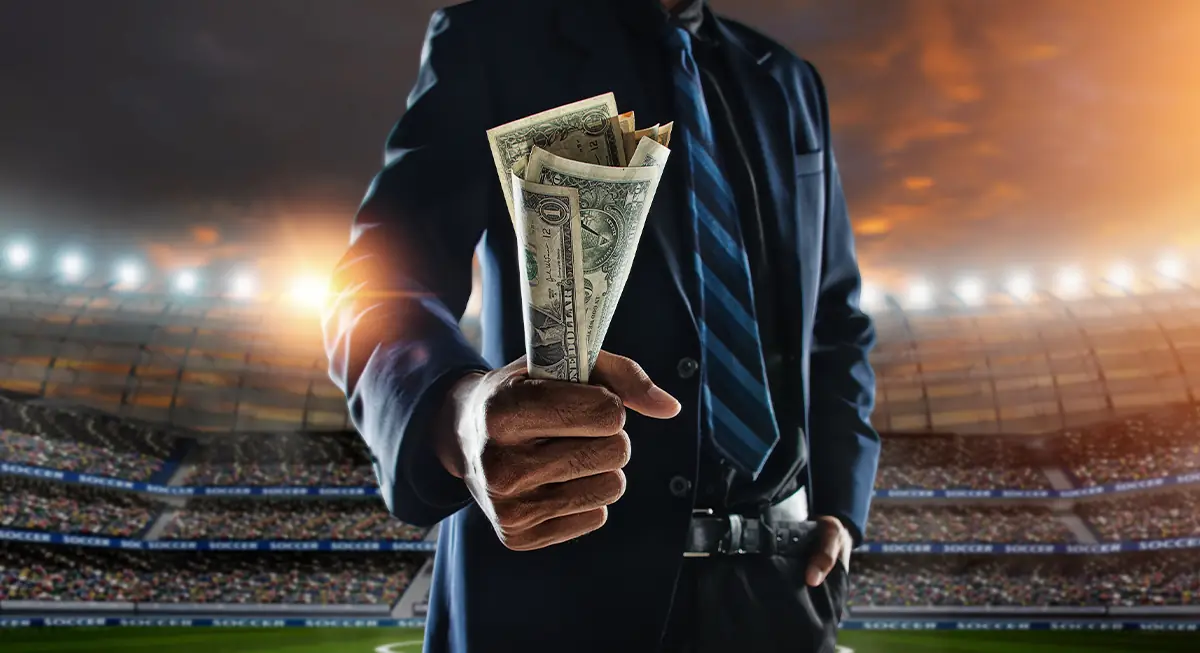
College sports have entered a new marketplace. The traditional focus on scholarships and trophies now shares space with million-dollar deals and personal brands. Name, Image, and Likeness (NIL) money has turned athletes into influencers before they ever turn pro, and schools are increasingly resembling marketing hubs. Some universities have mastered this faster than others by using collectives, donors, and alumni power to attract top recruits. The line between college and pro has never looked thinner, and these programs are at the forefront of this evolution.
Oregon Ducks
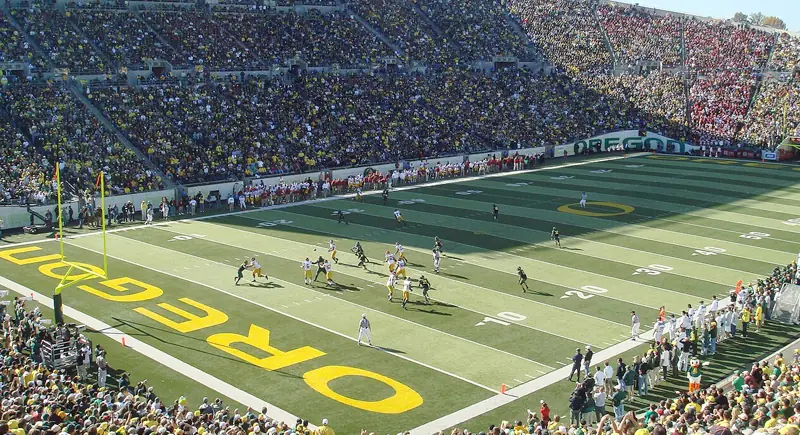
Nike’s home turf has become one of college sports’ most innovative NIL environments. With cofounder Phil Knight backing the Division Street collective, Oregon athletes have access to a powerhouse of branding and sponsorship opportunities. According to a survey of college sports stakeholders, the
Ducks rank among the top NIL spenders due to organized investment and strong alumni backing.
The school’s move to the Big Ten also brought higher visibility and a larger athletics budget, both of which enhance its NIL reach. Proof of concept lives across the roster, not only in one headline name. When a high-profile transfer like wideout Evan Stewart carries an estimated $1.7 million valuation, he steps into a machine built to scale it with content, merch, and events.
Ohio State Buckeyes
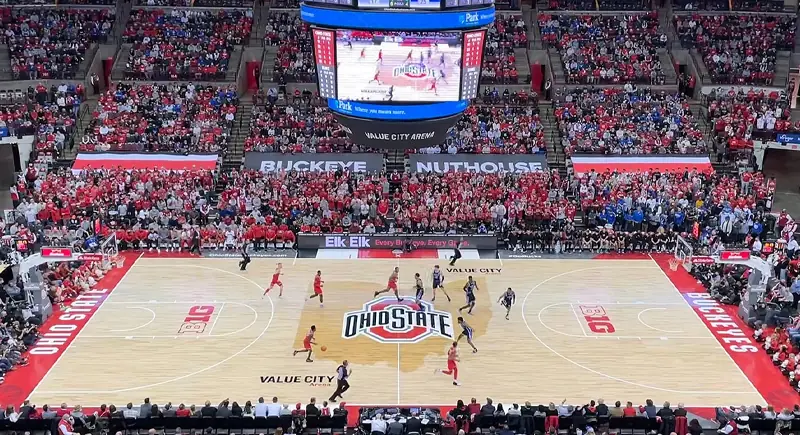
Wide receiver Jeremiah Smith, who has deals with brands including Red Bull, Nintendo, and Lululemon, is a case study in how effectively the Ohio State Buckeyes align athletes with high-profile partners. The school approaches NIL like an extension of its athletic department.
Collectives coordinate donors, brands, and creative support so deals do not happen by accident. The model also combines Ohio State’s national visibility with its vast fan base to create one of the strongest NIL ecosystems in college athletics. It has given the Buckeyes a steady reputation for producing both athletic and commercial success.
University Of Miami Hurricanes
Miami’s NIL success mirrors the energy of the Sunshine State itself. The Hurricanes’ NIL Club works closely with alumni and local businesses to secure lucrative opportunities for players across multiple sports. It layers in the city’s media footprint to give players frequent touchpoints with brands and steady content opportunities.
Quarterback Carson Beck’s estimated $4.3 million valuation demonstrates the effectiveness of the setup. Miami’s advantage is quick access to companies, creators, and fans.
Texas A&M Aggies
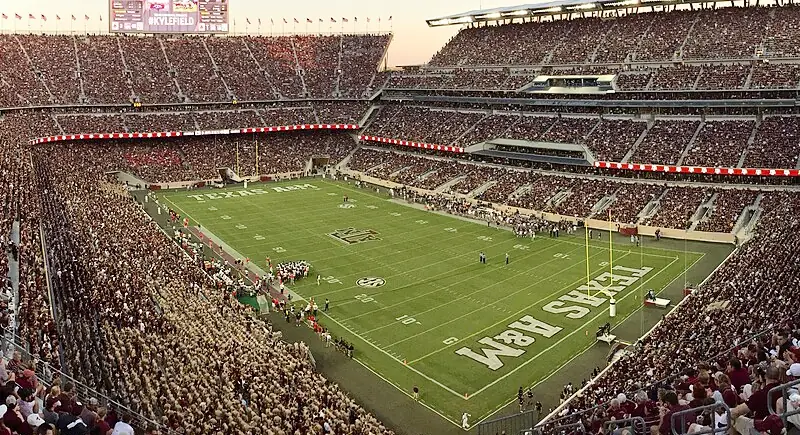
College Station relies on scale, and money has long been part of Texas A&M’s recruiting power. NIL has only amplified it. A&M’s donor network funds deep collectives that set up structured packages, appearances, and social campaigns. Even in reset years on the field, the NIL engine remains on pace with recruiting because the offerings are organized and predictable.
That stability is a selling point that keeps its athletes financially secure and marketable. Athletes get a plan, and partners know they’ll get content and delivery.
University Of Texas Longhorns
At the top of the list is Austin’s program. The University of Texas has built one of the largest NIL ecosystems in the country through its Longhorn Foundation and a fan base that treats college football like a national brand.
Individual star power pushes the totals higher. Quarterback Arch Manning’s publicly cited valuation lands around $6.8 million, supported by deals with companies such as Electronic Arts and Vuori. More than any single number, Texas consistently stacks multiple high-value athletes at once, which is why it tops this ranking.