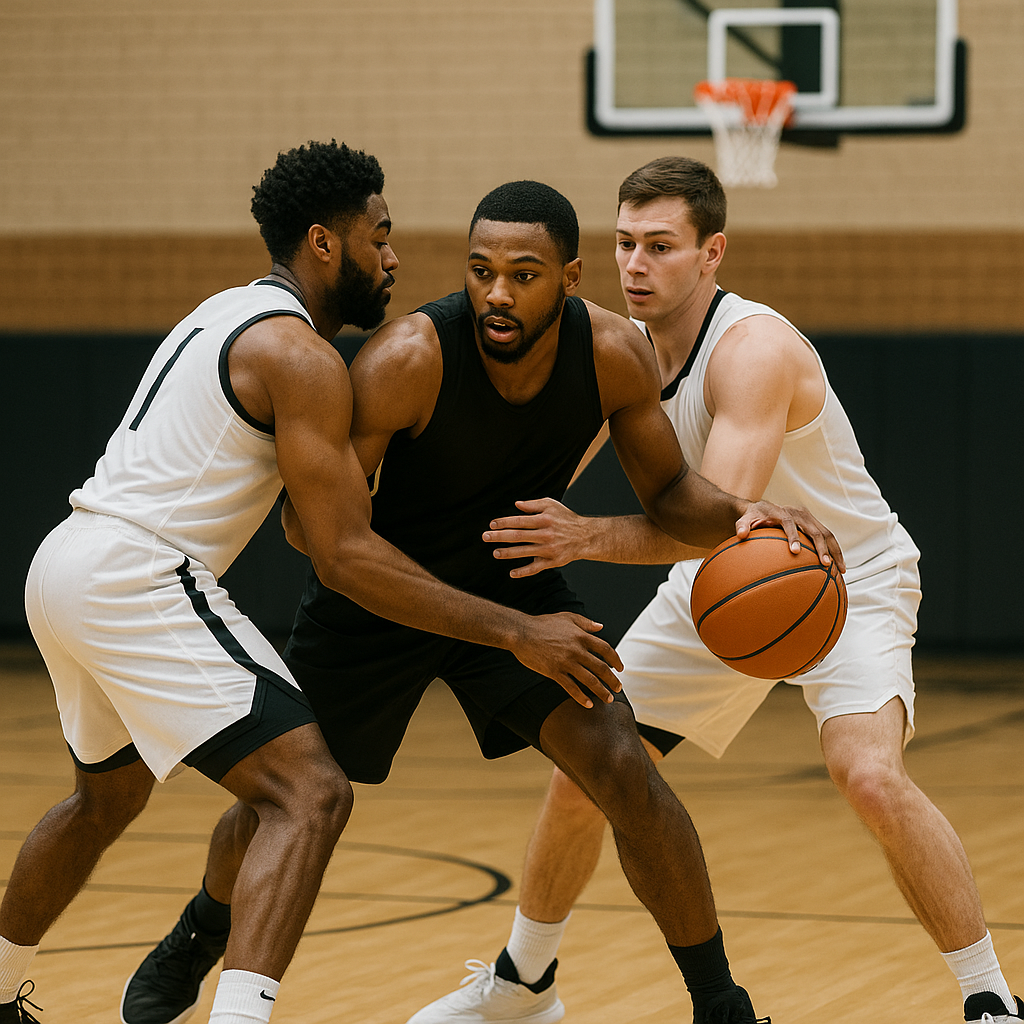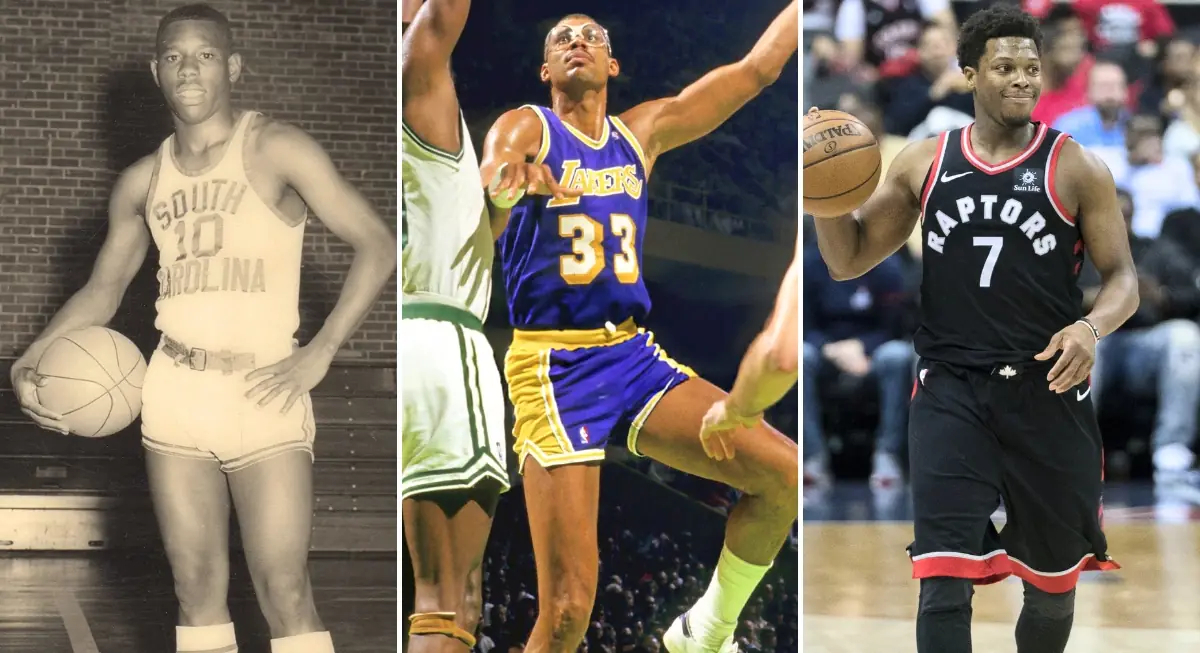
Basketball uniforms have undergone one of the most dramatic makeovers in sports history. They started as heavy, itchy wool outfits in the 1800s, and eventually turned into lightweight, tech-infused gear that doubles as streetwear. The NBA has always moved fast, and the clothing has kept pace. Today, these jerseys are trendy among fans and functional for the players. Here is how the league’s look has evolved over the decades.
Wool and Its Replacement
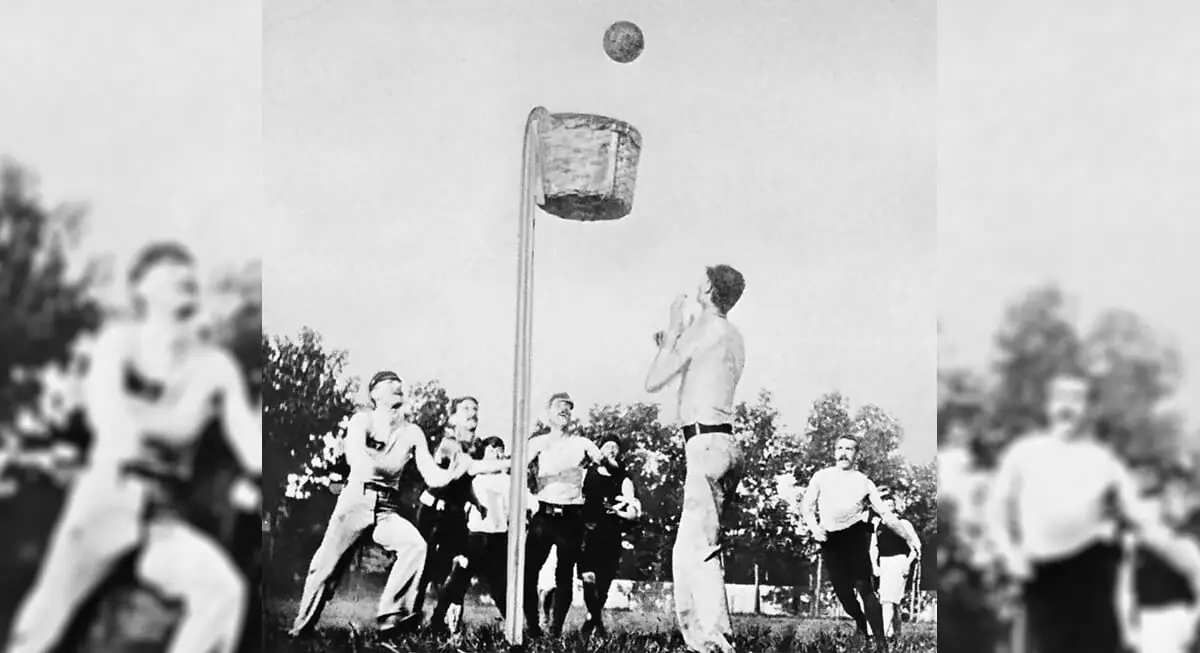
Early basketball players wore wool shirts and long pants, which sounds miserable by any standard. Wool was itchy, heavy, and absorbed sweat like a sponge without releasing it. By the time the NBA was officially founded in 1946, players started wearing jerseys made from synthetic fabric. The new materials were lighter, more breathable, and far more practical for athletes running up and down a court for 48 minutes.
The Shorts Got Shorter First
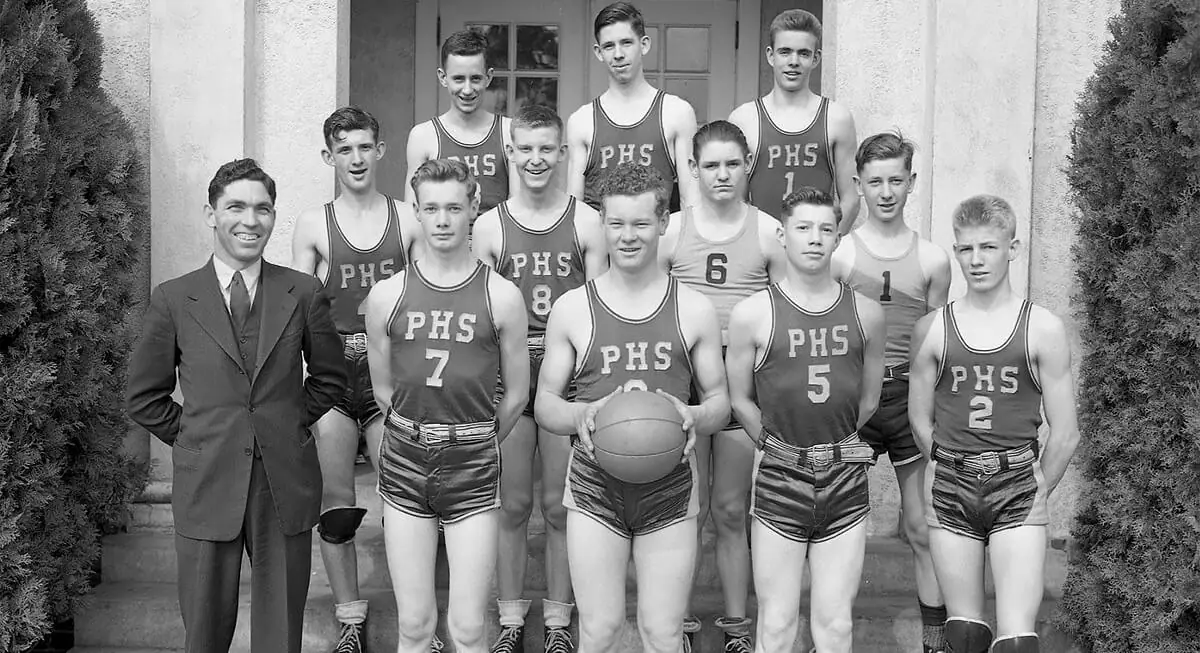
Baggy trousers held up by sewn-in belts were standard basketball attire before the 1940s. Over time, tight, above-the-knee shorts replaced them and gave players greater freedom of movement. The new outfit became recognizable, and the short-shorts era settled in comfortably for roughly four decades. Most people in that era weren’t asking for more fabric on their legs, and the players seemed perfectly fine with that.
Color Gave Teams Identities
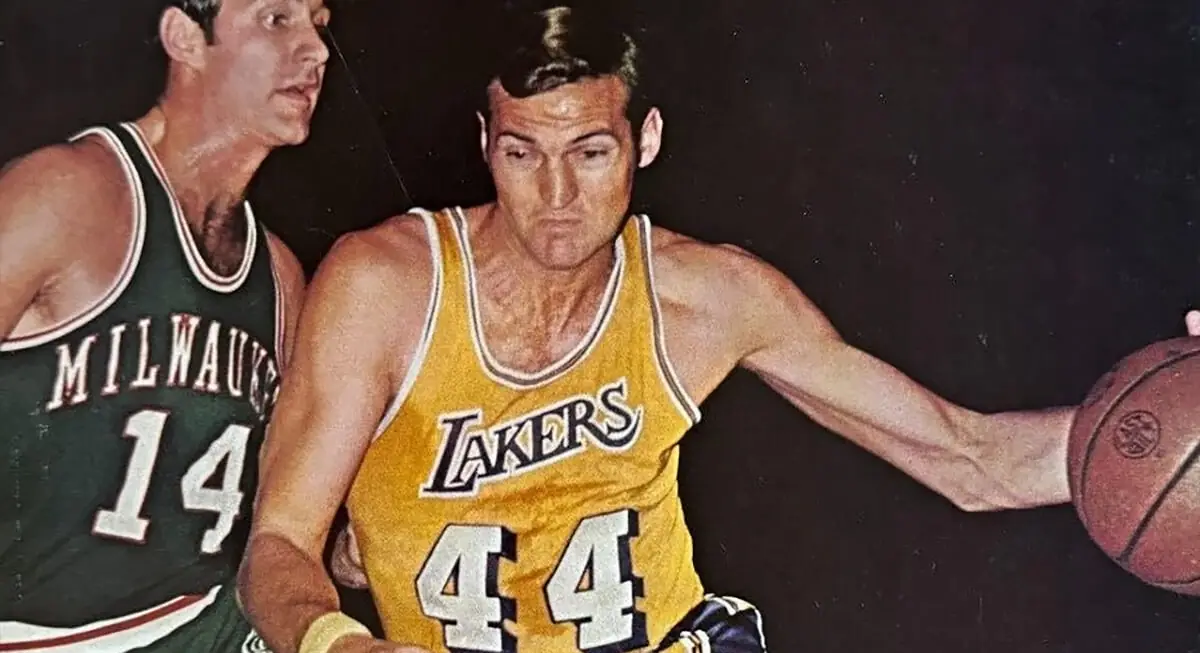
Early NBA uniforms leaned toward solid colors and basic stripes, kept simple by the practical limits of the era. As those barriers were lifted through the 1960s and 1970s, teams moved into new territory. Gold and purple became the Lakers. Green became the Celtics. Red became the Bulls. Strong color identities gave franchises a personality that fans could rally around and, more importantly, buy.
Names Joined the Numbers
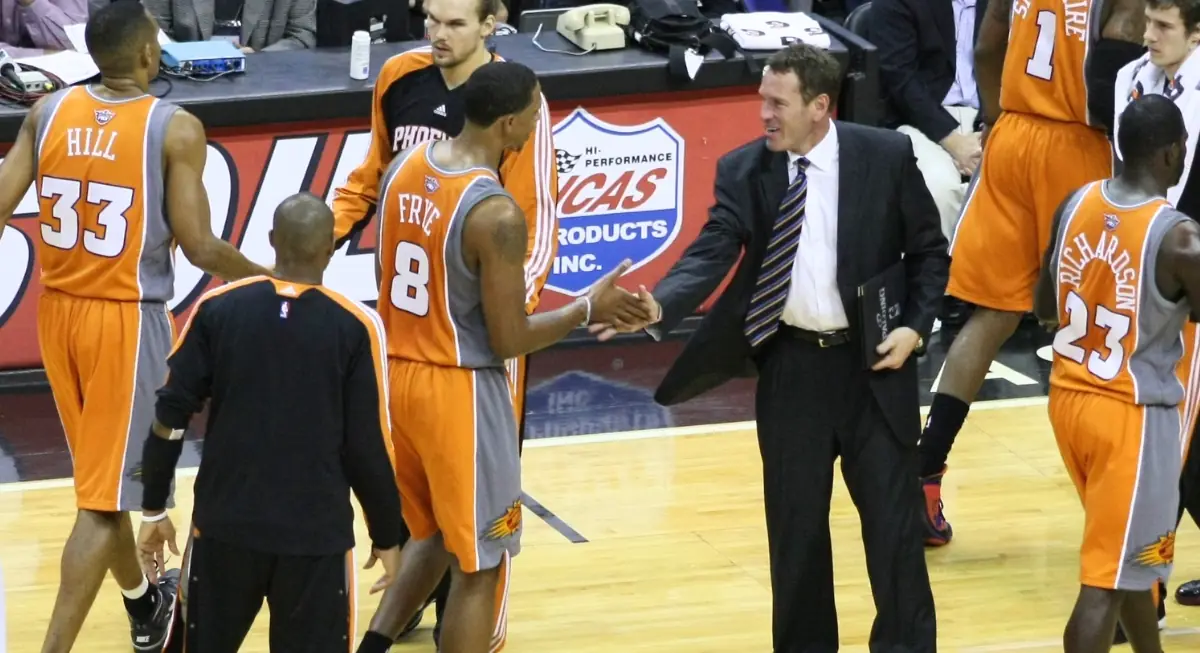
For most of the NBA’s early decades, jerseys carried team names and numbers but nothing else. Fans and broadcasters identified players by the number on their chests. That changed in the 1970s when players’ surnames began appearing on the back of jerseys, which gave fans a more direct connection to the people they were watching. It also changed how the league marketed its stars, since a name on a jersey is a far more personal thing to sell than a two-digit number.
Michael Jordan and Longer Shorts
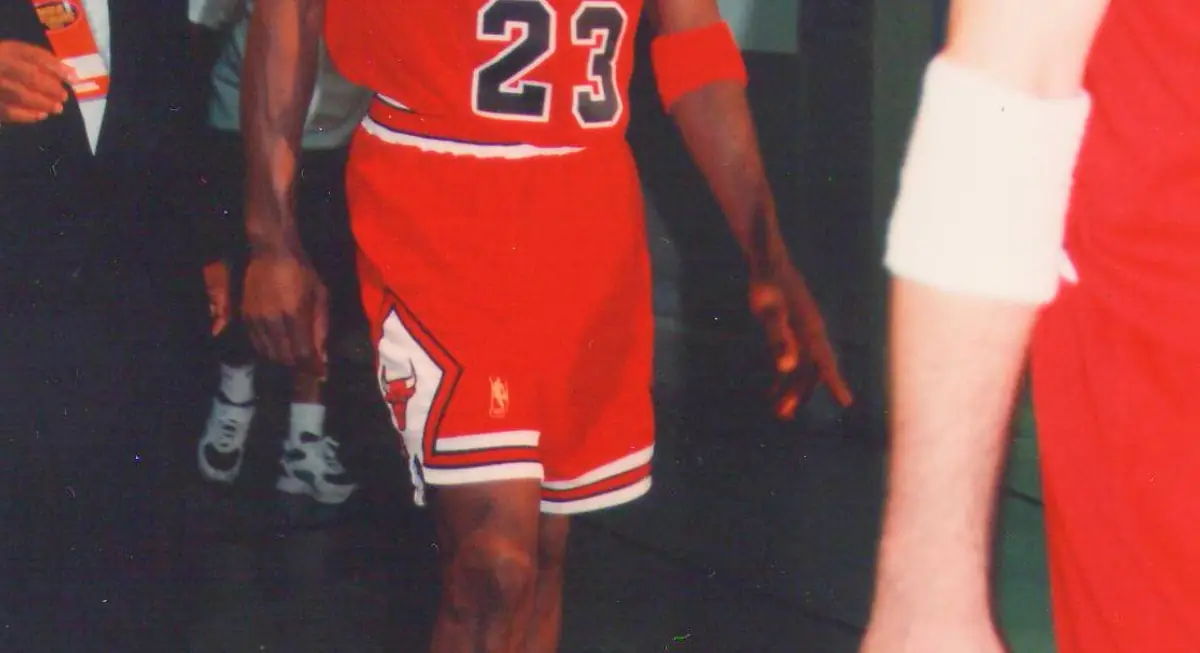
Michael Jordan wore his University of North Carolina shorts under his Chicago Bulls shorts. The problem was that the college shorts were too long and protruded beneath his NBA uniform, so his Chicago Bulls shorts were extended to cover them. Other players also wanted it, partly due to new fashion trends. The request spread across the league, and by the late 1980s and into the 1990s, longer and looser shorts became the norm.
Bold Color Palettes
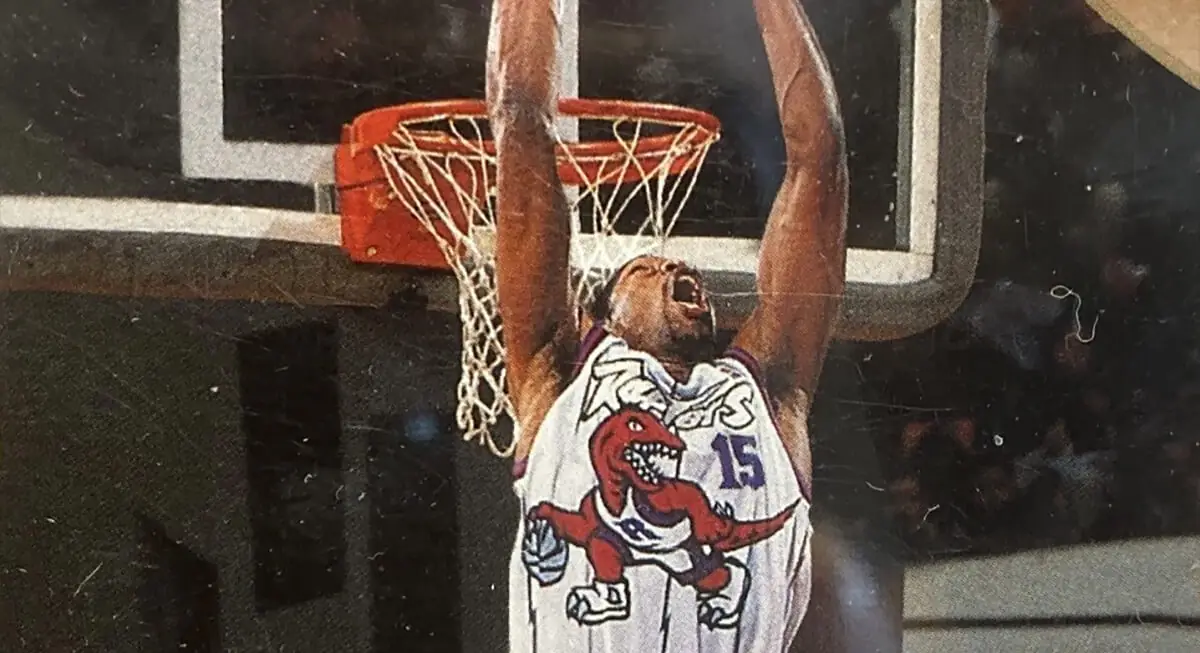
NBA fashion and hip-hop entered an unexpected marriage in the 1990s, and the result was impossible to ignore. Oversized jerseys, baggy shorts, and loud graphic designs flooded the aesthetic. The Charlotte Hornets paired teal and purple in a rare combination. The Toronto Raptors went further by putting a basketball-dribbling dinosaur on their chest in red, purple, and black. Fans bought into it hard, and the jersey stopped being just a uniform.
Jerseys Moved Off the Court
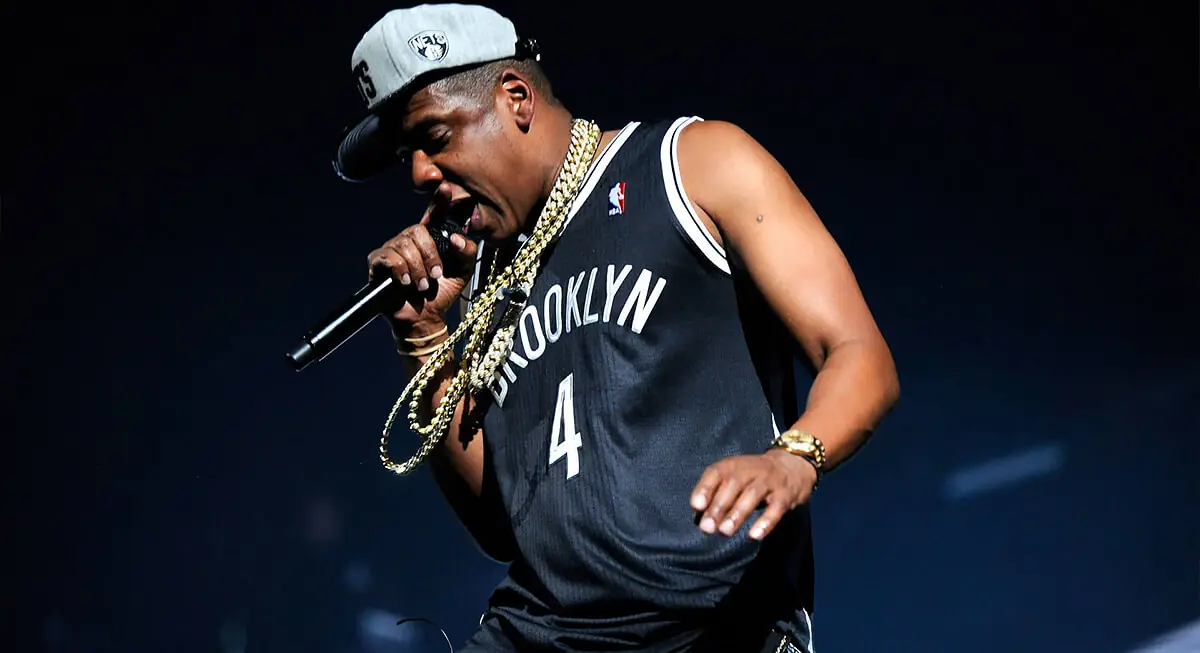
Hip-hop artists began wearing NBA jerseys in music videos, boosting NBA gear. Fans already rocked them at concerts, street corners, and parties. But soon, it was normal to see Jay-Z or Tupac Shakur wearing one while performing. The league’s retail reach expanded beyond the arena as non-basketball audiences purchased jerseys for their aesthetic value. It’s safe to say NBA merchandise was a mini fashion category in the 1990s.
Synthetic Fabrics Changed Performance
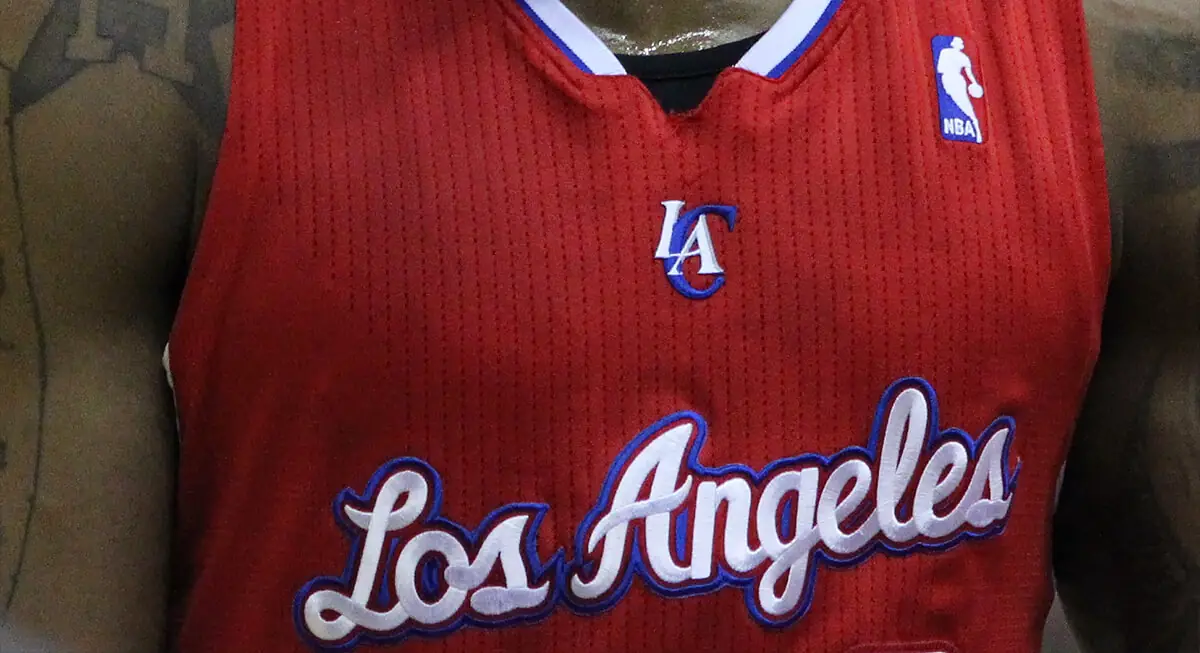
Lycra blends and cotton mesh entered NBA uniform production in the 1990s. Temperature regulation improved, sweat absorption got better, and movement became less restricted. The baggy aesthetic that dominated that era was a style choice, but the materials supporting it aided athletic performance. Basic polyester and cotton, which had been the standard for decades, could no longer keep up with what the game was demanding.
Logos Got Loud
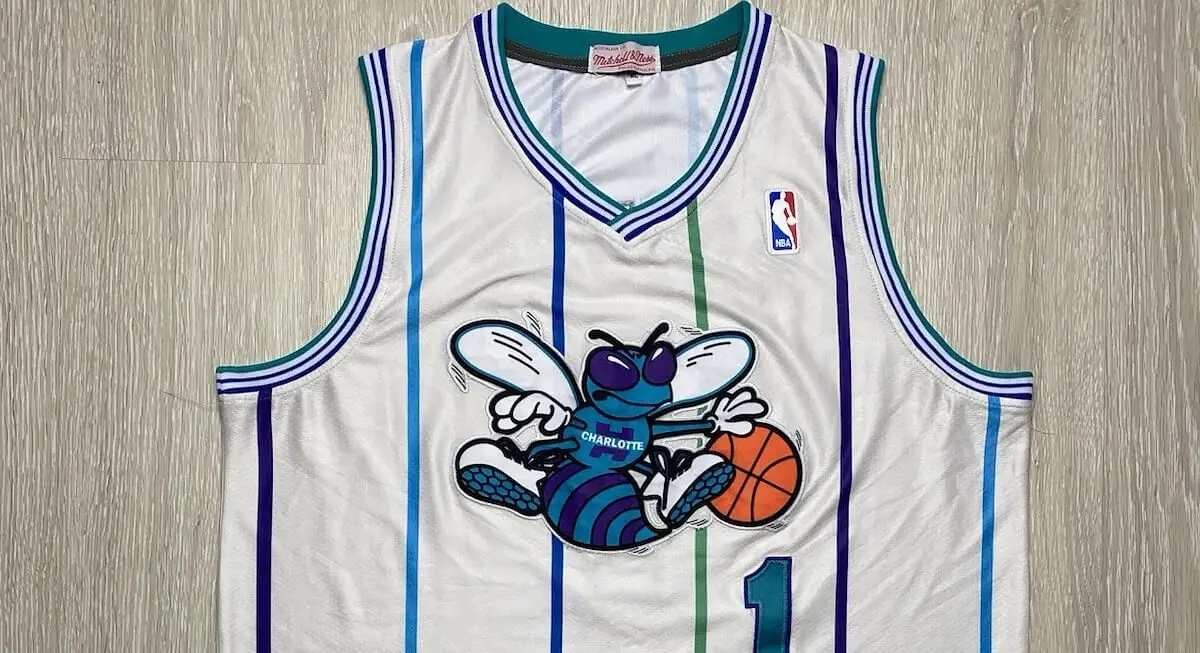
Plain block lettering across the chest was the dominant jersey design for most of the NBA’s history. The 1990s changed that as teams began experimenting with graphics, sharp angles, and comic book-style fonts. The Charlotte Hornets opted for a cartoonish hornet mid-sting, while the Vancouver Grizzlies put a grizzly bear claw print across their shorts and used a bear head as their primary logo.
Nike Took Over and Introduced City Editions
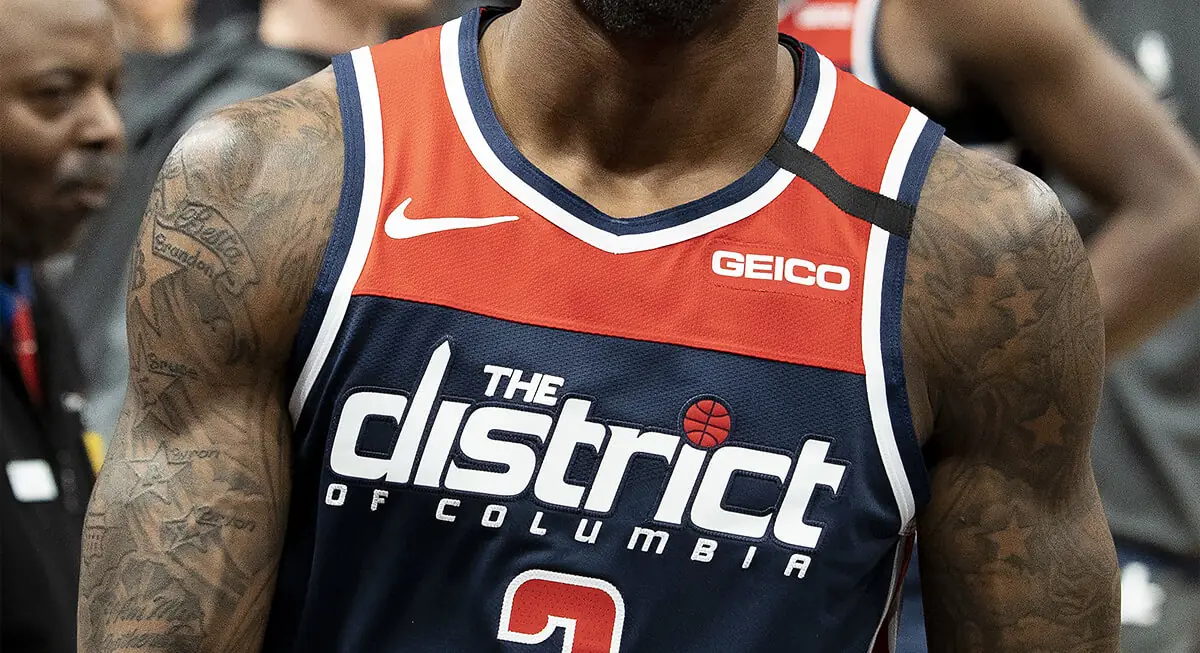
Nike replaced Adidas as the NBA’s official uniform supplier in 2017. That shift introduced a new uniform category that fans hadn’t seen before. City Edition jerseys gave each team the creative freedom to design alternates rooted in local culture and history. The Miami Heat’s Vice collection landed that year, becoming one of the best-selling alternate uniforms in league history. The numbers proved that fans wanted unique jerseys.
Sustainability Entered the Equation
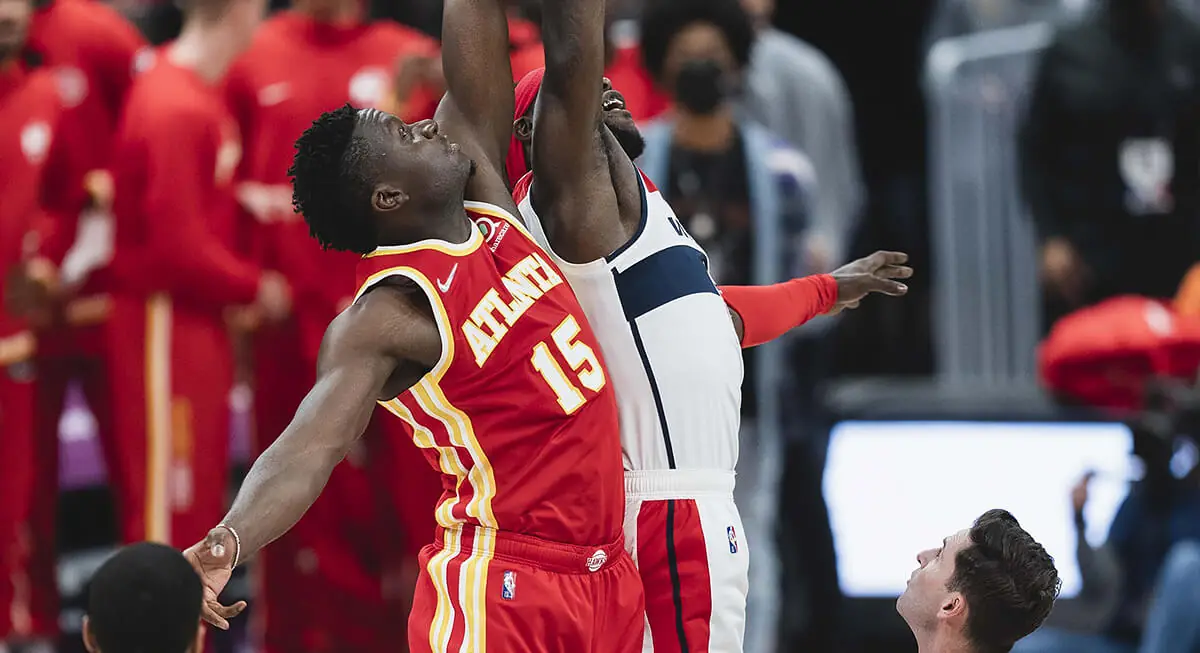
Nike’s takeover of NBA uniforms introduced something beyond new designs. Jerseys began using yarn spun from recycled plastic bottles, part of a wider sustainability commitment across Nike’s sportswear line. According to the brand, one jersey represents roughly 20 recycled bottles. The uniform, which had initially been made of heavy wool, had come full circle and was now being assembled from repurposed waste.