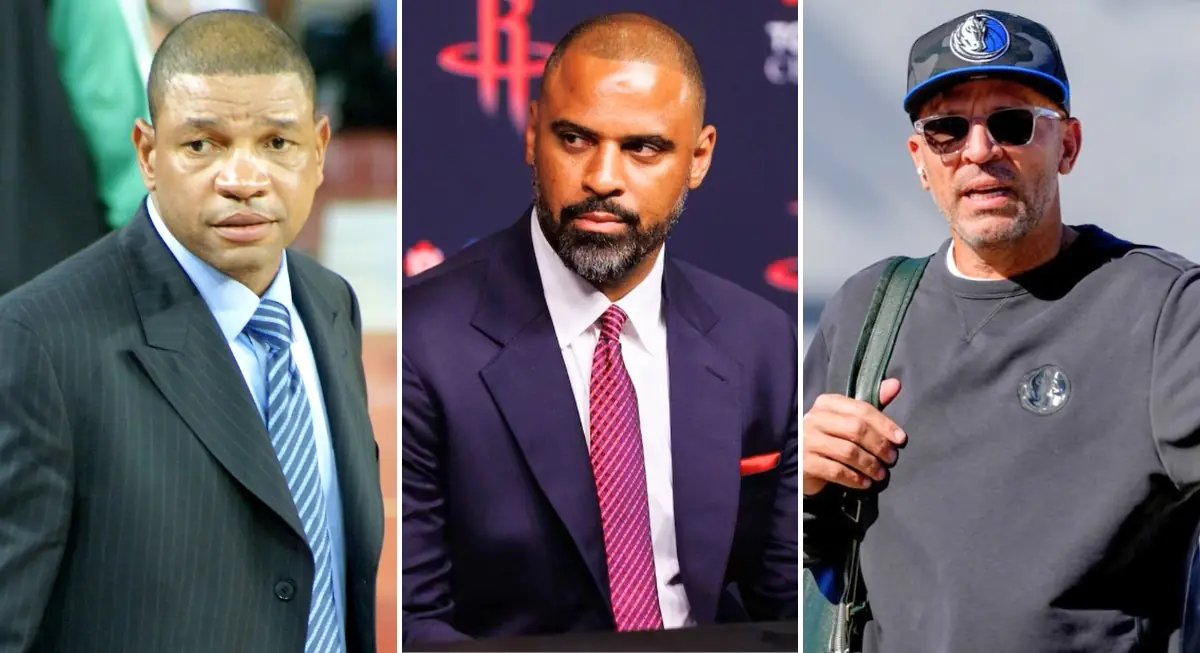
NBA head coaching salaries have climbed into territory that once felt reserved for star players. As franchise values rise and expectations tighten, teams are paying more to keep the right voice on the sideline. Wins matter, but so do relationships, timing, and trust when seasons unravel under pressure.
JJ Redick – ~$9 million per year
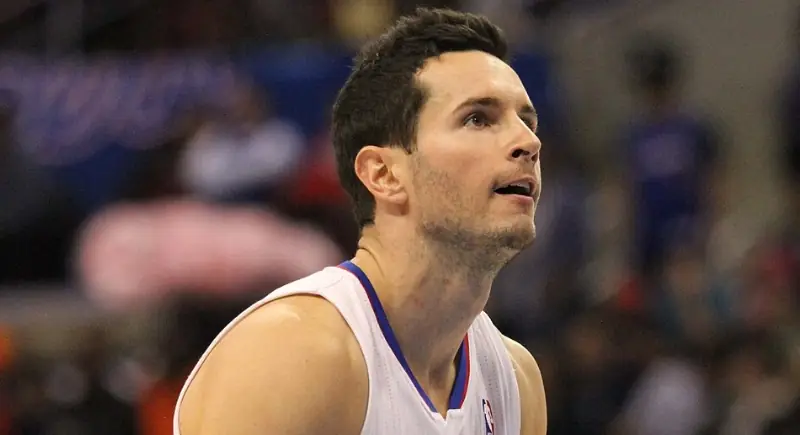
JJ Redick stepped straight into an NBA head coaching role, arriving with no sideline résumé but years of player experience and media fluency. His emphasis focused on spacing, shot selection, and clear explanations. Comfort handling scrutiny and nonstop attention helped stabilize messaging in a market where every decision gets dissected.
Jason Kidd – ~$9.5 million per year
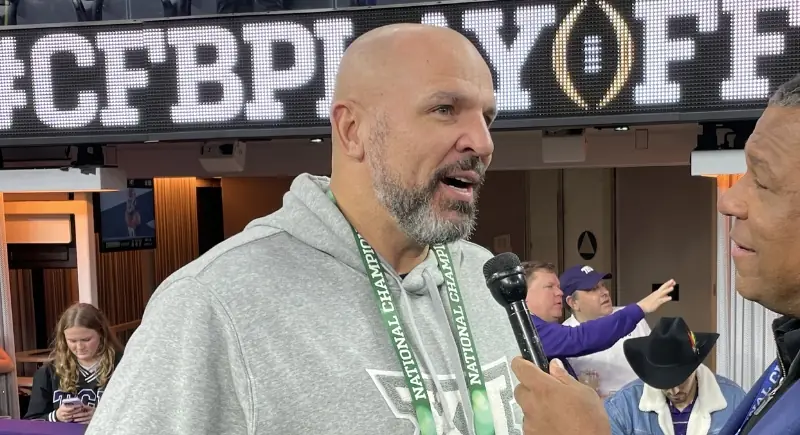
Managing elite talent is at the center of Jason Kidd’s role, with communication and locker-room balance being the top priorities. His background as a championship point guard shapes how he handles stars, game flow, and pressure moments. The steadiness was evident during deep playoff runs.
Rick Carlisle – ~$11 million per year
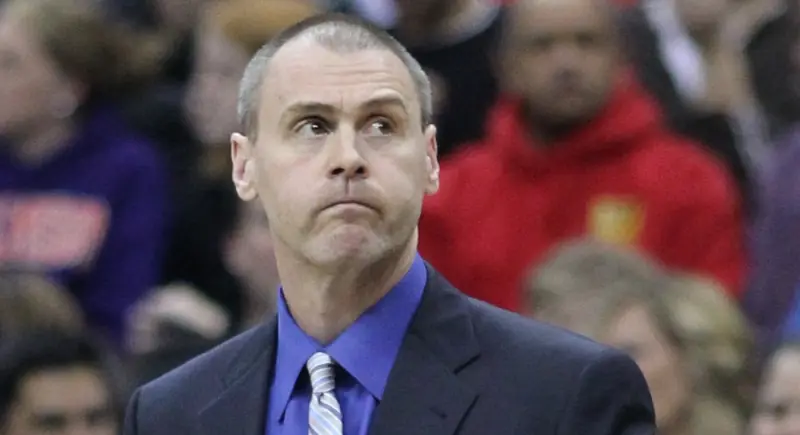
Indiana brought Rick Carlisle back for experience. He was known for his detailed preparation and flexible game planning, so he worked closely with young guards to learn playoff-level pacing. His practices emphasized spacing, timing, and decision speed. Around the league, Carlisle remains one of the few coaches trusted to steady developing teams without slowing progress.
Joe Mazzulla – $11 Million Per Year
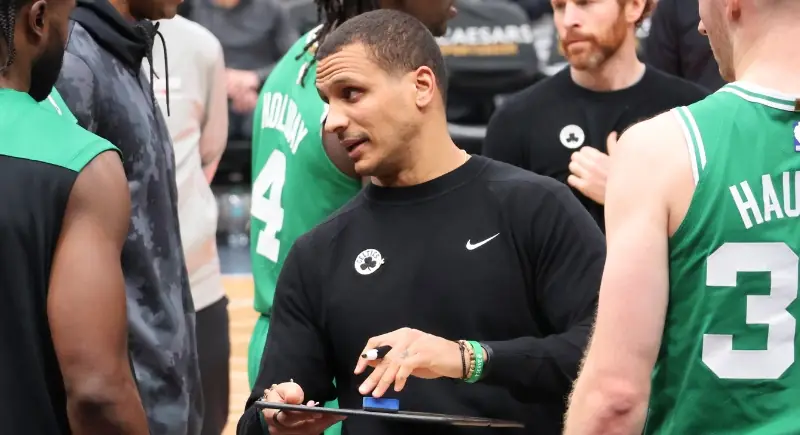
At just 34, Joe Mazzulla entered one of the league’s most demanding jobs with little margin for error. Boston sought to maintain familiar systems while refining in-game decision-making. His regular-season results kept pressure manageable, even as postseason scrutiny followed every timeout and late-game adjustment closely.
Ime Udoka – $11 Million Per Year
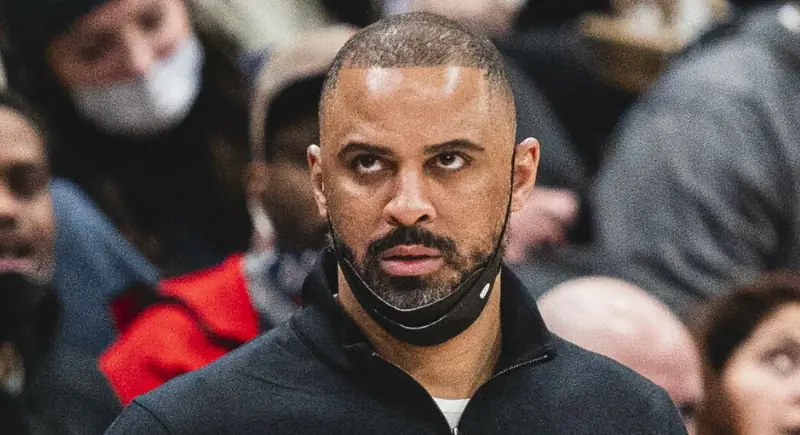
Houston moved aggressively when hiring Ime Udoka by committing major money despite his short head coaching résumé. His first season focused heavily on defense, accountability, and structure for a young roster. Practices became stricter, rotations tighter, and expectations clearer. The early turnaround altered how league executives discussed the Rockets’ timeline.
Mike Brown – $10 Million Per Year
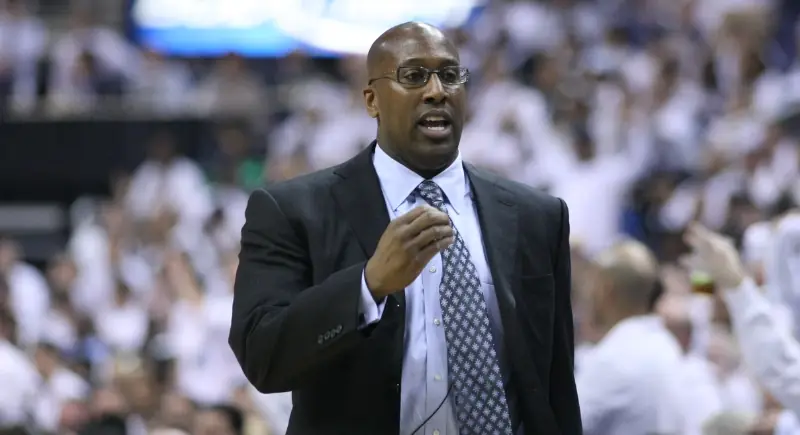
New York’s interest in Mike Brown stemmed from what he accomplished in Sacramento. He tightened rotations, demanded defensive effort, and pushed a young roster into the playoff picture. His body of work mattered more to the Knicks than optics, especially for a job where pressure never really lets up.
Doc Rivers – $11 Million Per Year
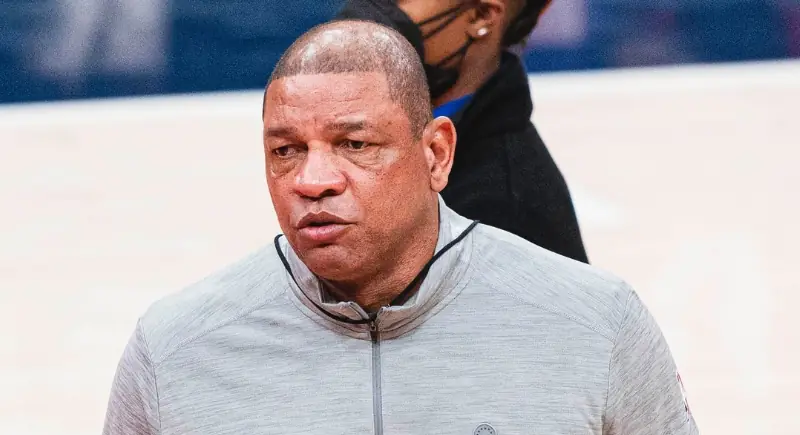
Milwaukee turned to Doc Rivers midseason because the roster was built to win immediately. His 2008 championship with Boston, along with a long history of managing veteran-heavy teams, shaped the decision. The contract demonstrates confidence that his communication style and authority can immediately influence a locker room led by established stars.
Tyronn Lue – $15 Million Per Year
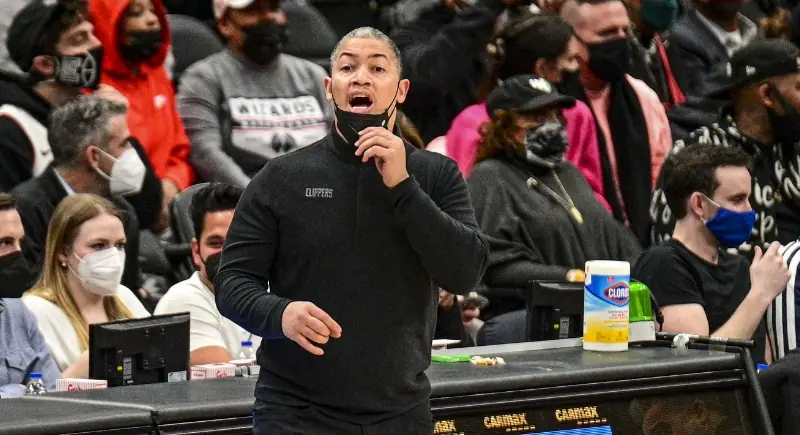
The Clippers rely on Lue’s ability to manage star personalities, adjust rotations quickly, and communicate clearly under postseason pressure. His 2016 championship and repeated deep runs gave Los Angeles the confidence to double his previous salary.
Erik Spoelstra – $15 Million Per Year
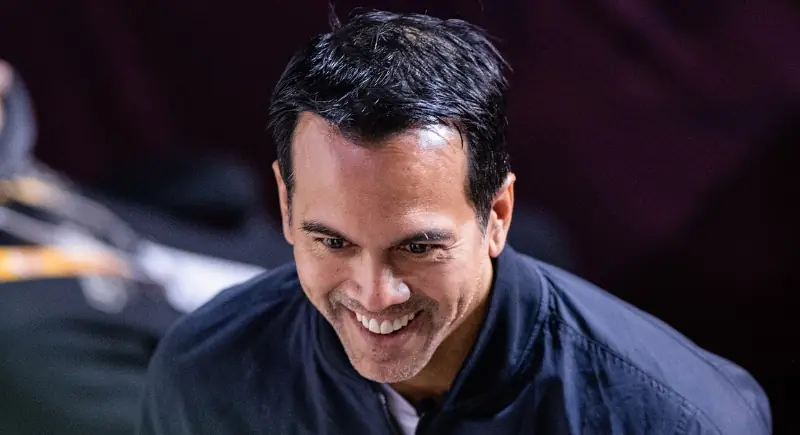
Since the late 1990s, Erik Spoelstra has grown alongside the Miami Heat by moving from the video room to the head coaching seat without ever leaving the organization. He has worked under Pat Riley since 1997 and coached through multiple roster eras. The salary reflects institutional trust built over championships, Finals runs, and years of adapting.
Steve Kerr – $17.5 Million Per Year
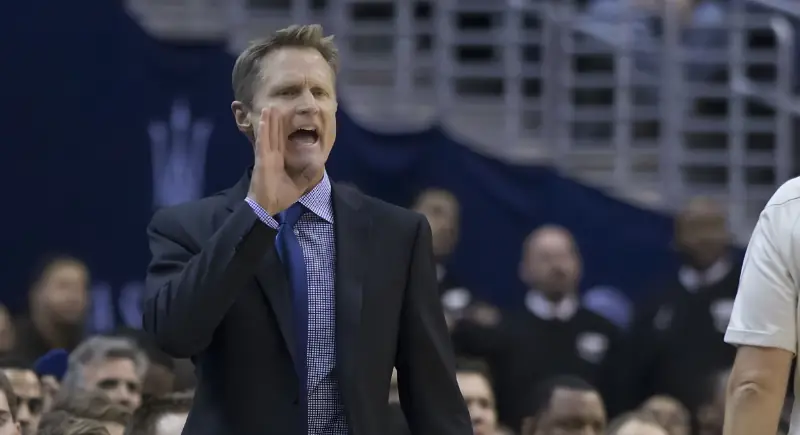
Golden State’s entire roster and system were built around Steve Kerr’s approach, which is why ownership chose continuity over change. Four championships, long-term player relationships, and a decade of shared decision-making made stability the priority. The contract protects an ecosystem that has already delivered results.