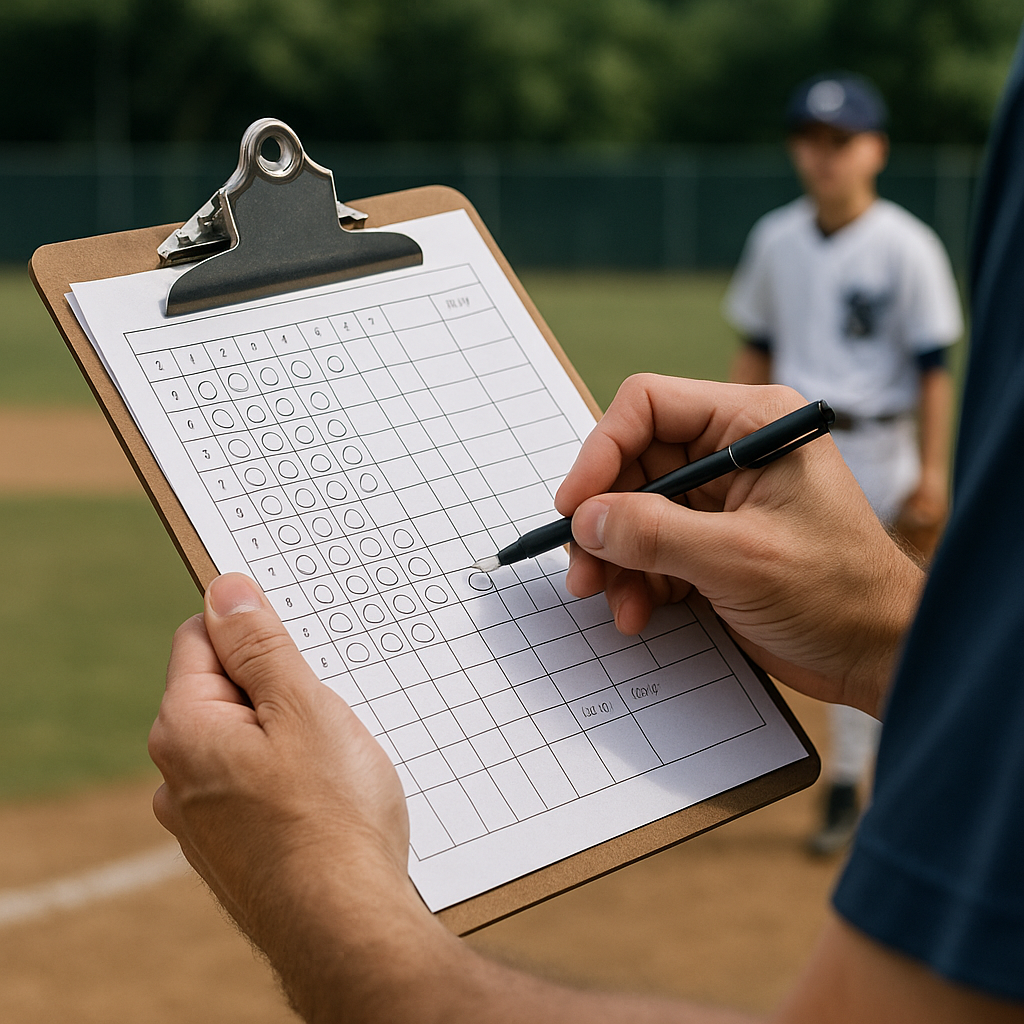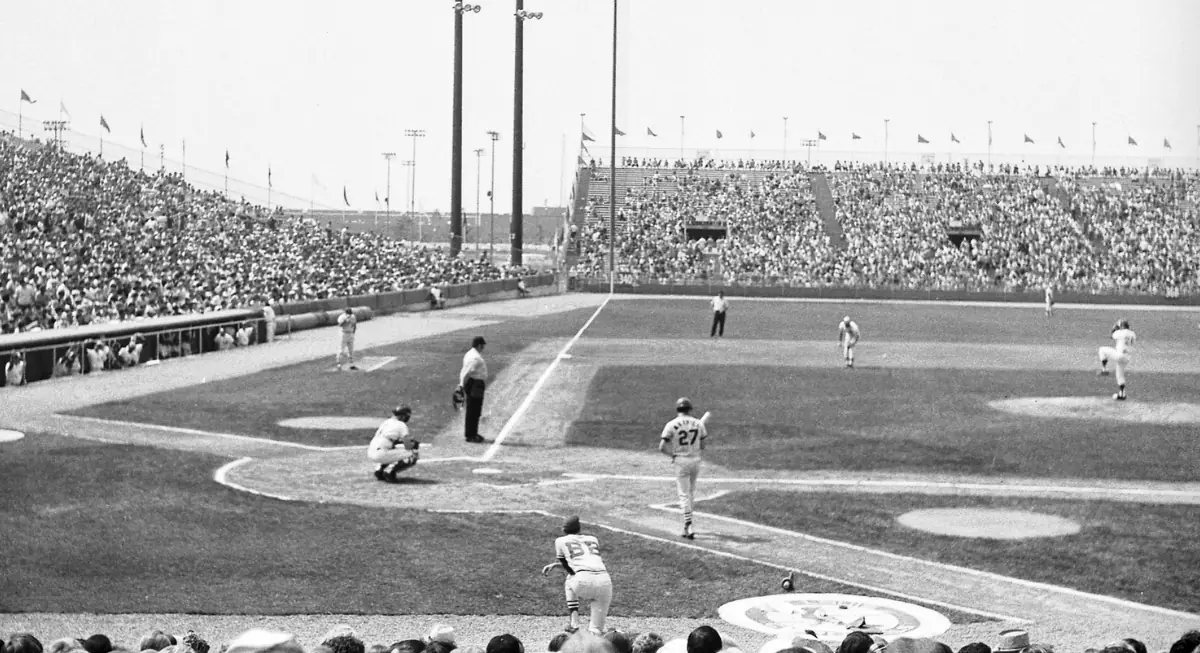
Baseball’s early rulebook was closer to a draft than a finished document. The game shifted constantly as players tested limits and organizers tried to keep things fair. Many early rules now sound bizarre, but they solved real problems at the time. These 10 rules illustrate how the sport once functioned before it settled into its modern form.
Batters Could Demand Pitch Location

For a time, hitters controlled the interaction before it even began. A batter could tell the pitcher whether to throw high or low, and the pitcher was expected to comply. That advantage slowed games and frustrated defenses. Pitchers had little room to challenge hitters, and the balance tilted heavily toward offense until leagues stepped in.
Outs Counted After One Bounce

Catching the ball cleanly was not always required. Early fielders could record outs by trapping balls after a single bounce, which made sense on uneven fields and bare hands. As skills improved and gloves appeared, the rule began to feel outdated. Fans preferred cleaner plays, and expectations shifted toward catches made in the air.
Pitching Had to Stay Underhand

Pitchers were originally restricted to underhand deliveries, closer to rolling the ball than throwing it. The rule reflected safety concerns and borrowed heavily from cricket. As players experimented with sidearm motions, enforcement weakened. Once overhand pitching became legal, it permanently changed how speed, movement, and strategy shaped the game.
Fielders Played Without Gloves

Playing without gloves was once viewed as a badge of toughness because early players mocked gloves as unnecessary and soft, despite finger injuries mounting. Thin leather gloves began to appear in the 1870s, often worn discreetly. As errors dropped and injuries declined, resistance faded, and gloves became standard rather than controversial.
Walks Required Nine Balls

Standing at the plate once meant waiting far longer than today. Early batters had to see nine balls before a walk was awarded, which encouraged pitchers to avoid the strike zone and stretch out at-bats. Games slowed noticeably, and complaints followed. Leagues gradually trimmed the number until four balls became standard.
Umpires Sat in Chairs
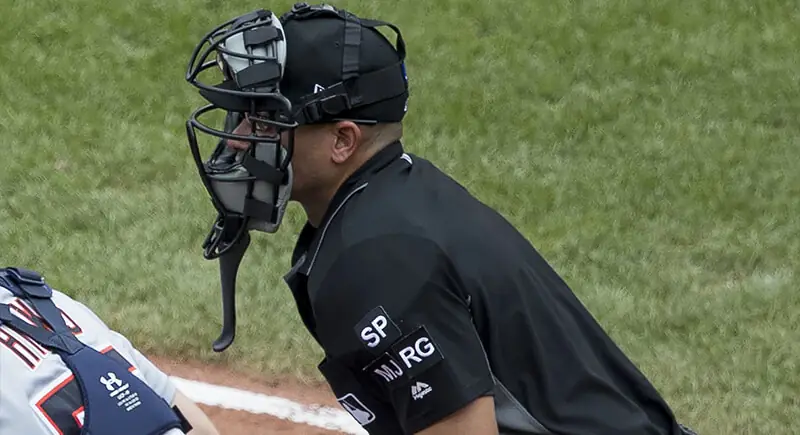
In baseball’s early years, officiating was treated as a passive role rather than an active one. Umpires were seated in chairs near the infield, removed from the speed of play. As pitches got faster and games grew more competitive, missed calls became harder to ignore, forcing officials closer to the action.
Runners Were Put Out by Throwing the Ball at Them

Before tagging became standard, defense relied on accuracy and force. Fielders could retire a runner simply by striking them with the ball, a practice known as soaking. Throws flew freely across the field, often at close range. Injuries mounted, and the rule began to feel reckless rather than competitive.
Home Runs Could Still Become Outs

Early ballparks were irregular and inconsistent, with fences, trees, buildings, and ropes that did not always define a clear boundary. In some parks, a ball that struck an obstacle or bounced back into the field could remain in play if no specific ground rule declared it a home run. While balls that entirely left the field were generally ruled home runs, the lack of standardized regulations and dimensions meant outcomes were not always predictable.
Foul Balls Did Not Count as Strikes
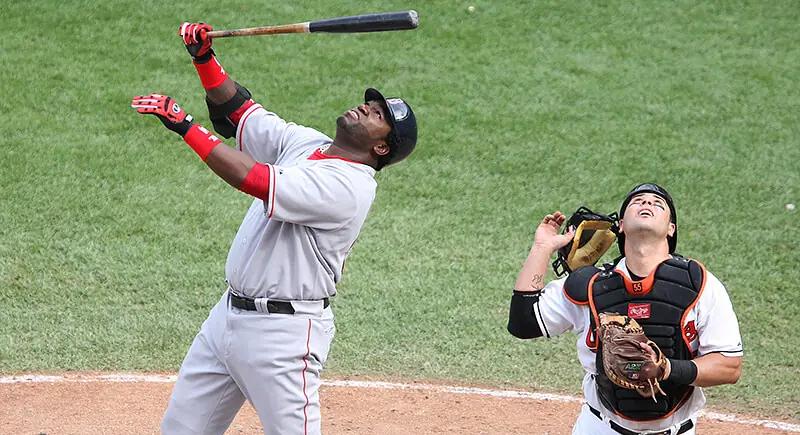
In the nineteenth century, a single plate appearance could stretch far longer than anyone planned. Batters faced no penalty for fouling off pitches, which encouraged them to wait endlessly. Pitchers tired, spectators lost patience, and games slowed noticeably. The imbalance pushed leagues to limit foul balls and restore forward momentum.
Tied Games Were Accepted Outcomes
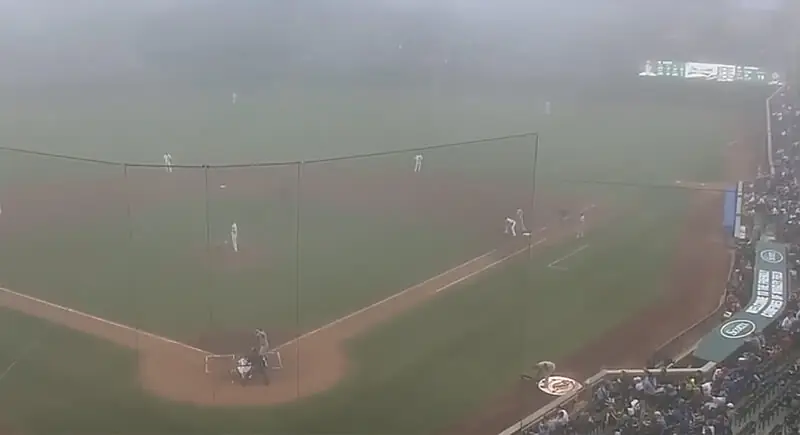
Early baseball operated around daylight, train schedules, and weather more than final scores. Games often ended when visibility dropped, or travel demanded it. If neither team led, the tie simply remained in the standings. Fans treated these outcomes as usual until organized leagues began prioritizing clean records and decisive results.